Before you bag up all those fallen leaves and put them on the curb, consider this: You could be throwing away one of the most valuable ingredients for your garden’s soil. Fall provides an abundance of free composting materials, and many homeowners don’t realize how much money they could save by putting them to work.
The secret to successful composting is balancing nitrogen-rich green materials with carbon-rich brown materials.
According to the Environmental Protection Agency, brown materials provide carbon that microorganisms need to break down organic matter, while also helping maintain airflow within the pile.
Without enough browns, compost can become soggy, smelly, and slow to decompose.
If you’re preparing your garden for winter, these are some of the best brown materials for compost that you can collect without spending much money.
Fallen Leaves Are One of the Best Free Compost Ingredients
Fallen leaves are among the easiest and most affordable brown materials for compost because they’re practically everywhere during autumn. Most deciduous tree leaves contain substantial amounts of carbon, making them excellent for balancing grass clippings, vegetable scraps, and other nitrogen-rich ingredients. Shredding leaves with a lawn mower before adding them to your pile increases their surface area and helps them break down more efficiently. Whole leaves can become matted together when wet, potentially restricting airflow and slowing decomposition. Instead of paying for yard waste removal, collect clean, disease-free leaves in bags or bins and save them for composting throughout winter.
Shredded Cardboard Can Replace Store-Bought Compost Materials
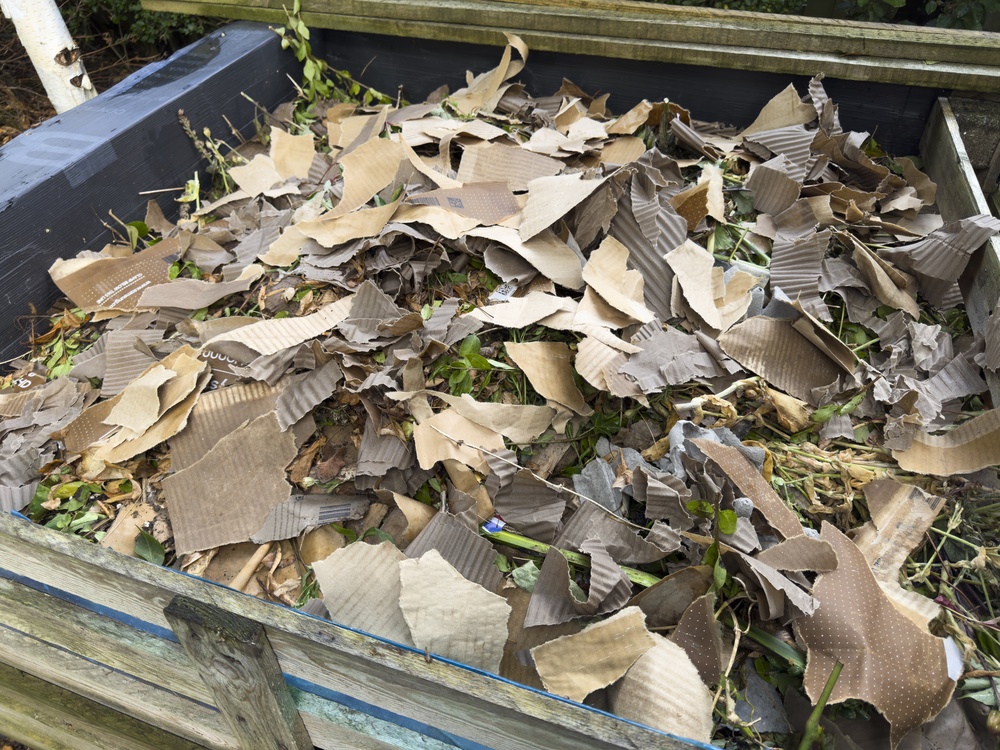
Plain cardboard is another excellent carbon source that many households already have available. Shipping boxes, paper towel tubes, and uncoated cardboard packaging can be torn into small pieces and mixed with other compost ingredients. Remove plastic tape, shipping labels with plastic coatings, staples, and other noncompostable materials before adding cardboard to your pile. Because large pieces can clump together, shredding cardboard and mixing it with moist green materials helps encourage more even decomposition. If your compost pile smells unpleasant after adding kitchen scraps, a layer of shredded cardboard can help absorb excess moisture and improve the balance.
Straw Helps Keep Compost From Becoming Too Dense
Straw is a useful addition to a fall compost pile because its hollow stems help create spaces where air can circulate. Unlike hay, which often contains mature seeds, clean straw generally presents less risk of introducing unwanted plants into your garden. Wheat, oat, and barley straw can all work well, provided the material hasn’t been treated with persistent herbicides that could damage future crops. Mix straw throughout your compost rather than piling it into thick, dry layers that resist moisture. Although straw may cost money if you don’t have access to leftover bales, even a small amount can improve the structure of a dense compost pile.
Small Twigs and Wood Chips Improve Airflow
If you’ve been pruning shrubs or cleaning up fallen branches, some of that woody material can go directly into your compost pile. Small twigs and untreated wood chips provide carbon while creating pockets of air that support aerobic decomposition. However, larger branches break down slowly and may remain recognizable long after softer materials have turned into finished compost. Cutting twigs into short pieces or running suitable branches through a chipper can help speed the process. For gardeners who want finished compost by spring, use woody materials sparingly or reserve larger pieces for a separate, slower-decomposing pile.
Dry Plant Stalks Can Be Recycled Into Garden Soil
After harvesting your vegetables, you may have piles of dried bean vines, corn stalks, sunflower stems, and other spent plant material. Once these materials have dried and become woody, they can serve as carbon-rich additions to a compost pile. Chop thick stalks into smaller sections before composting because their tough fibers can take considerably longer to break down than soft leaves. Avoid adding plants with serious disease problems or mature weed seeds to a typical backyard compost pile, which may not reach temperatures sufficient to destroy them. Recycling healthy plant debris is an easy way to reduce garden waste while creating organic matter for future growing seasons.
Shredded Paper Can Help Balance Kitchen Scraps
Old newspapers, plain office paper, and other non-glossy paper products can provide additional brown materials for compost. Shredding paper before adding it prevents large sheets from sticking together and creating dense, airless layers. The EPA includes shredded paper among suitable carbon-rich compost ingredients, although local composting recommendations may differ. Avoid plastic-coated paper, thermal receipts, and heavily treated materials that may introduce unwanted substances into your compost. Mixing a handful of shredded paper with vegetable peelings and coffee grounds can help balance moisture and prevent kitchen scraps from forming a wet clump.
Pine Needles Can Be Used Without Ruining Your Compost
Pine needles are often overlooked because gardeners worry they’ll make their soil too acidic. However, decomposing pine needles don’t automatically create dangerously acidic finished compost, especially when they’re mixed with other organic materials. Their waxy surfaces and tough structure mean they generally break down more slowly than many deciduous leaves. Shredding or mixing them with faster-decomposing ingredients can make them easier to incorporate into an active pile. If pine needles are plentiful in your yard, use moderate amounts rather than throwing them away simply because of concerns about soil acidity.
How Much Brown Material Does Your Compost Actually Need?
Choosing the right brown materials for compost is only part of the process because the balance between carbon and nitrogen also matters. The EPA recommends using approximately two to three parts brown materials for every one part green materials by volume as a practical starting point for home composting. This isn’t a rigid formula, since moisture levels, particle size, and the types of materials you use can influence how quickly decomposition occurs. If your pile smells like ammonia or feels excessively wet, add more dry browns and turn the mixture to improve airflow. If it remains dry and shows little activity, add water and nitrogen-rich materials such as fresh grass clippings or vegetable scraps.
Turn Fall Yard Waste Into Free Garden Soil
The biggest advantage of collecting brown materials for compost during fall is that many of the best ingredients are already sitting in your yard. Leaves, cardboard, straw, shredded paper, and healthy plant debris can help transform everyday waste into valuable organic matter that improves soil structure and moisture retention. Keep a separate supply of dry browns nearby so you can add them whenever your compost pile becomes too wet or receives a large amount of kitchen scraps. Remember that decomposition generally slows during freezing weather, so a fall compost pile may need additional time to finish once temperatures rise again.
What brown materials do you use most often in your compost pile, and have you discovered any free ingredients that work especially well? Share your experience in the comments.
What to Read Next
How to Compost Spent Vegetable Plants Safely
Leave a Reply