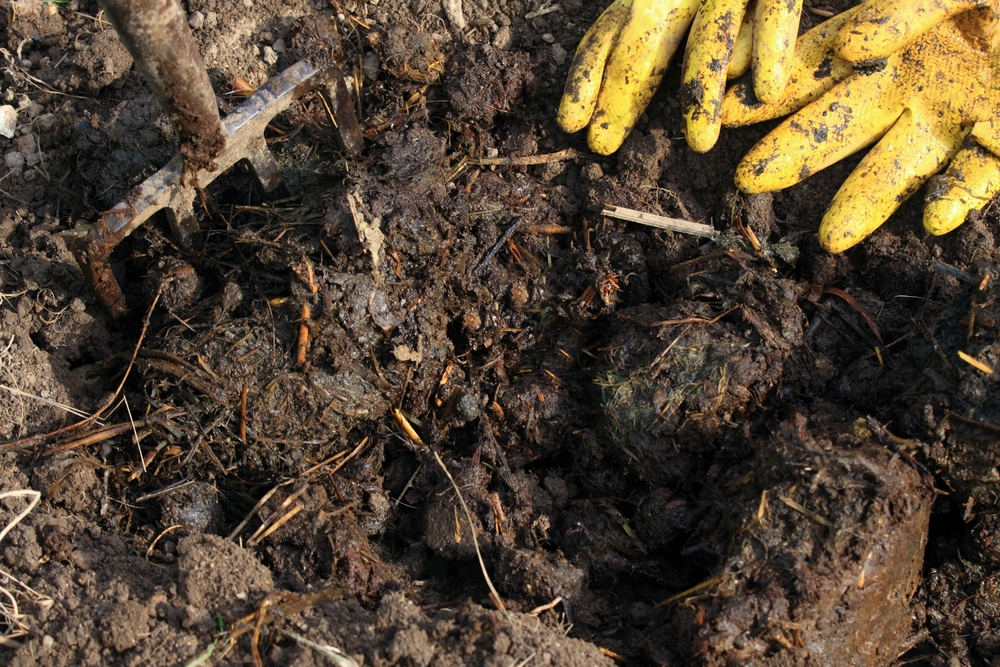
A free load of manure from a nearby farm might seem like gardening gold, especially when you’re trying to improve your soil without spending a fortune on fertilizer. But spread the wrong manure around your vegetables or flowers, and that inexpensive soil amendment could do more harm than good.
Fresh manure can contain high concentrations of soluble salts and ammonium compounds that damage tender roots, leaving plants wilted, scorched, or struggling to grow.
Even manure that’s been sitting in a pile for months isn’t automatically safe to use.
The secret is understanding the difference between aged manure and properly composted manure, along with knowing how much your garden actually needs.
If you’re planning to use aged manure in the garden, these practical steps can help protect your plants, improve your soil, and avoid costly gardening mistakes.
Understand the Difference Between Aged and Composted Manure
One of the biggest misconceptions about using aged manure in the garden is that manure becomes completely safe simply because it’s old. Aging generally means manure has been stored for a period of time, while composting involves managing decomposition under conditions that encourage microorganisms to break down organic material. Properly managed composting can reduce pathogens, weed seeds, and some of the compounds that may damage plants, although results depend on the process. According to the University of Minnesota Extension, manure can improve soil fertility and organic matter, but its nutrient content and handling requirements vary considerably. When purchasing bagged manure or accepting it from a farm, ask whether it was actively composted or merely left to age before assuming it’s ready for planting.
Watch for Signs That Manure Isn’t Ready
Manure that still smells strongly of ammonia or contains recognizable fresh bedding and waste may not have decomposed enough for direct use around sensitive plants. Properly finished manure compost generally has a dark, crumbly appearance and an earthy smell, although appearance alone cannot confirm that pathogens or excess salts are absent. If a pile remains unusually hot, allow the composting process to finish before mixing the material into planting beds. Avoid placing questionable manure directly against seedlings, newly transplanted vegetables, or young roots that are particularly vulnerable to fertilizer injury. When you’re uncertain about the material’s condition, continuing to compost it is generally safer than experimenting on valuable garden plants.
Test Your Soil Before Adding More Nutrients
It’s tempting to assume that adding more organic fertilizer will automatically produce healthier vegetables and bigger flowers. However, manure contains nutrients that can accumulate in soil, especially phosphorus, when gardeners apply more than their plants require. Excess soluble salts can also interfere with water uptake, making plants appear drought-stressed even when the surrounding soil is moist. A soil test can reveal nutrient levels and help determine whether adding manure is beneficial or unnecessary. Before applying aged manure in the garden, contact your local cooperative extension office about soil testing and use the results to guide application rates rather than relying on guesswork.
Keep Manure Away From Tender Roots and Stems
Even well-aged manure can create problems when concentrated directly against delicate roots or plant crowns. Instead of placing a thick layer into an individual planting hole, distribute suitable composted manure evenly across the soil surface and incorporate it according to your soil-test recommendations. Mixing a modest amount into the upper soil layer before planting can help distribute nutrients more evenly than leaving a concentrated pocket beneath a transplant. For established plants, avoid piling manure against stems, trunks, or crowns, where excess moisture and concentrated nutrients may cause additional problems. The goal is to improve the surrounding soil gradually, not create a nutrient-rich barrier that young roots must grow through.
Be Extra Careful Around Vegetables You’ll Eat
Using aged manure in the garden requires additional precautions when you’re growing lettuce, carrots, strawberries, or other crops that may contact soil. Animal manure can contain harmful microorganisms, including certain strains of E. coli and Salmonella, and simply aging it does not reliably eliminate those risks. The USDA National Organic Program generally requires a minimum interval of 120 days between applying raw manure and harvesting crops whose edible portions contact soil, or 90 days for crops whose edible portions do not contact soil. These intervals are organic production standards rather than guarantees of food safety, and home gardeners should follow applicable extension guidance and prioritize properly composted materials. Never assume manure is safe for edible crops solely because it looks dark, smells earthy, or has been stored outside for several months.
Know Which Animal Manure You’re Using
Not all manure has the same nutrient concentration, moisture content, or potential to damage plants. Poultry manure, for example, can be relatively nutrient-rich and may create problems when applied heavily or before adequate composting. Horse and cattle manure are commonly used as soil amendments, but their characteristics depend on animal diets, bedding materials, storage conditions, and decomposition. Avoid using dog, cat, or human waste in vegetable gardens because of the potential for harmful pathogens and parasites. When sourcing manure from farms, also ask about herbicide-treated hay or pasture, since certain persistent herbicide residues can survive in manure and damage sensitive crops such as tomatoes, beans, and peas.
Choose the Right Season for Application
Fall can be a practical time to improve garden soil, particularly after summer vegetables have finished producing. However, applying raw or incompletely composted manure shortly before planting edible crops can create food safety concerns that shouldn’t be overlooked. Gardeners using aged manure in the garden should consider the source, decomposition process, soil conditions, and time remaining before their next harvest. Avoid spreading manure on frozen, saturated, or snow-covered soil, where nutrients may wash away instead of benefiting the garden. If you’re preparing beds for spring, properly finished compost and other suitable organic amendments may offer a more predictable option than manure of uncertain quality.
Better Soil Starts With Smarter Manure Use
Manure can be an affordable way to improve soil structure and supply nutrients, but only when it’s handled and applied appropriately. The most important distinction is that aged manure isn’t necessarily the same as properly composted manure, and neither should be applied without considering soil conditions. Testing your soil, avoiding excessive applications, protecting tender roots, and following food safety guidance can help prevent expensive gardening mistakes. When you’re unsure about the quality of manure you’ve received, additional composting or choosing a verified finished product is often the safer approach.
Have you used aged manure in your garden, and did it improve your plants or cause unexpected problems? Share your experience and gardening tips in the comments.
What to Read Next
Never Burn This Plant When Cleaning Up the Yard — Even If It Looks Dead
Leave a Reply