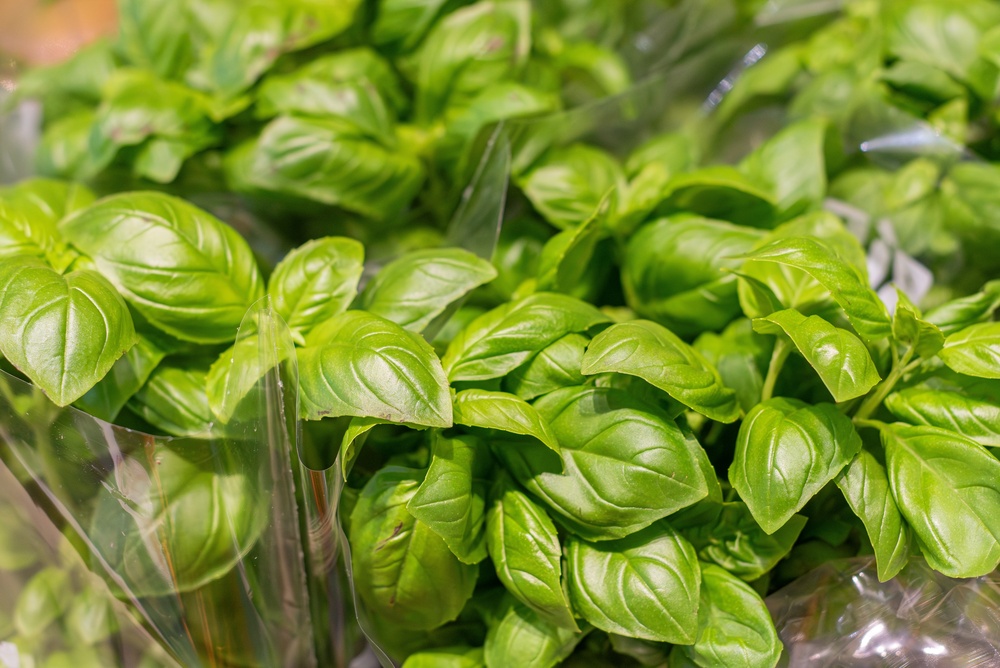
Your basil plants have been producing fragrant green leaves all summer, but the weather forecast suddenly shows nighttime temperatures dropping into the 40s. You might assume there’s still plenty of time to harvest because freezing temperatures aren’t expected yet. Unfortunately, basil is one of those garden favorites that can suffer cold damage before an actual frost arrives.
According to Penn State Extension, basil leaves can begin deteriorating when temperatures fall below 50 degrees Fahrenheit. A hard frost can turn healthy foliage black, leaving gardeners with little worth saving after months of growing and caring for their plants.
Knowing how to harvest basil before frost can help you preserve its flavor, avoid wasting your garden investment, and keep enjoying homegrown herbs long after the growing season ends.
Don’t Wait Until the First Frost Warning
One of the biggest mistakes gardeners make is assuming basil can tolerate chilly nights as long as temperatures stay above freezing. The University of Maryland Extension explains that basil is a warm-season herb that doesn’t tolerate chilly temperatures well. While a brief cool night won’t necessarily destroy an entire plant, repeated exposure to temperatures in the 40s can damage tender leaves and slow growth. Check your local forecast for overnight lows rather than waiting for an official frost advisory to appear. If temperatures are approaching 40 degrees, harvesting the leaves you want to preserve is usually safer than gambling on another week of warm weather.
Harvest in the Morning for Better Flavor
Timing your harvest can make a noticeable difference in the quality of the basil you bring into your kitchen. Herbs are generally best harvested in midmorning after the dew has dried but before the afternoon sun reduces their aromatic oils. This gives gardeners an opportunity to collect clean, flavorful leaves without excessive surface moisture. Avoid harvesting immediately after heavy rain if you plan to dry the basil, since wet foliage takes longer to process and can encourage spoilage. If freezing weather is expected overnight, however, harvesting in the afternoon is still better than losing the entire crop while waiting for ideal conditions.
Cut Above Leaf Nodes Instead of Pulling Individual Stems
Learning how to harvest basil before frost also means knowing where to make your cuts. The University of Minnesota Extension recommends cutting basil stems just above a pair of leaves because new branches can develop from that point. Use clean scissors or garden snips rather than pulling stems, which can damage the plant and disturb its roots. During the growing season, leaving healthy foliage behind encourages additional production and makes repeated harvesting possible. However, if a killing frost is imminent and you don’t plan to overwinter the plant, you can collect most of the usable foliage rather than preserving stems for future growth.
Choose Healthy Leaves and Leave Damaged Ones Behind
Not every leaf on an aging basil plant is worth bringing indoors. It is recommended to monitor basil for disease problems, including downy mildew, which can cause yellowing leaves and grayish growth underneath the foliage. Inspect your harvest for insect damage, dark spots, mold, and leaves that have already become blackened or slimy from cold exposure. A few small blemishes don’t necessarily make a leaf unusable, but heavily damaged or decaying foliage should be discarded. Choosing healthy leaves before preservation helps protect the quality of your finished pesto, frozen herbs, or dried seasonings.
Handle Fresh Basil Carefully After Cutting
Fresh basil can deteriorate surprisingly quickly when exposed to improper storage conditions. Harvested basil stems can be kept temporarily in a glass of water at room temperature rather than being placed directly into a cold refrigerator. Trim the stem ends, remove leaves that would sit below the waterline, and place the cuttings somewhere away from direct heat or harsh sunlight. If you plan to freeze or dry the leaves, gently rinse away dirt and allow excess moisture to drain before processing. Avoid crushing or tightly packing fresh leaves into containers because bruising can accelerate discoloration and reduce their appearance.
Freeze Basil to Preserve More of Its Fresh Flavor
For many gardeners, freezing is one of the most practical ways to preserve a large basil harvest. Frozen basil generally retains a flavor closer to fresh basil than traditionally dried leaves. Chop clean basil and place small portions into ice cube trays with water, then transfer the frozen cubes into labeled freezer-safe containers. Another option is to combine approximately one-quarter cup of chopped basil with two teaspoons of olive oil before freezing small portions. Frozen leaves will become limp after thawing, so they’re better suited for soups, sauces, and cooked dishes than fresh salads or garnishes.
Turn Extra Leaves Into Freezer-Friendly Pesto
If your garden produces more basil than you can use immediately, homemade pesto offers another inexpensive preservation option. According to Clemson Cooperative Extension, pesto is a practical way to preserve an abundant basil harvest before frost destroys the plants. A basic version combines fresh basil with garlic, olive oil, nuts, and other seasonings, although ingredients can be adjusted to suit your preferences and budget. Portion the finished pesto into small freezer-safe containers so you can thaw only what you need for pasta, sandwiches, or roasted vegetables. Also, do your best to omit cheese before freezing pesto and add it later when preparing the dish.
Dry Basil When Freezer Space Is Limited
Freezing isn’t the only option when you’re figuring out how to harvest basil before frost. Basil can be dried using appropriate air-drying methods or a food dehydrator set below 125 degrees Fahrenheit. Spread clean leaves in a single layer or use small, loosely arranged bundles in a warm, well-ventilated location away from direct sunlight. Make sure the leaves are completely dry before transferring them into airtight containers, since trapped moisture can encourage mold growth. Dried basil won’t have exactly the same flavor as fresh leaves, but properly stored herbs can remain useful for seasoning homemade meals for months.
Consider Saving Cuttings for an Indoor Winter Plant
A final harvest doesn’t necessarily mean saying goodbye to your favorite basil variety until spring. Basil can be propagated from stem cuttings, making it possible to start new plants without buying additional seeds or transplants. Choose healthy, nonflowering stems, remove the lower leaves, and place the cut ends in clean water until roots develop. Once the cuttings have established roots, transfer them into containers with well-draining potting mix and provide strong light indoors. Indoor basil generally grows more slowly during winter, but a sunny window or supplemental grow light may help you maintain a small supply of fresh leaves.
Save Your Basil Before the Weather Makes the Decision
Understanding how to harvest basil before frost can turn a potentially wasted crop into weeks or months of flavorful homegrown ingredients. The University of Vermont Extension recommends harvesting carefully and preserving surplus basil through freezing or drying rather than allowing valuable leaves to go unused. Pay attention to nighttime temperatures, collect healthy foliage before cold damage appears, and choose a preservation method that fits your cooking habits. Even a modest harvest can provide several portions of pesto, frozen herb cubes, or dried seasoning that would otherwise require another trip to the grocery store.
Do you freeze your extra basil, turn it into pesto, or try to keep a plant growing indoors through winter? Share your favorite way to save the last harvest in the comments.
What to Read Next
Why Plastic Sheeting Can Damage Plants During Cold Nights
How to Grow Carrots Before the Ground Gets Too Cold
The Best Tree Guards for Preventing Cold-Weather Bark Damage
Leave a Reply