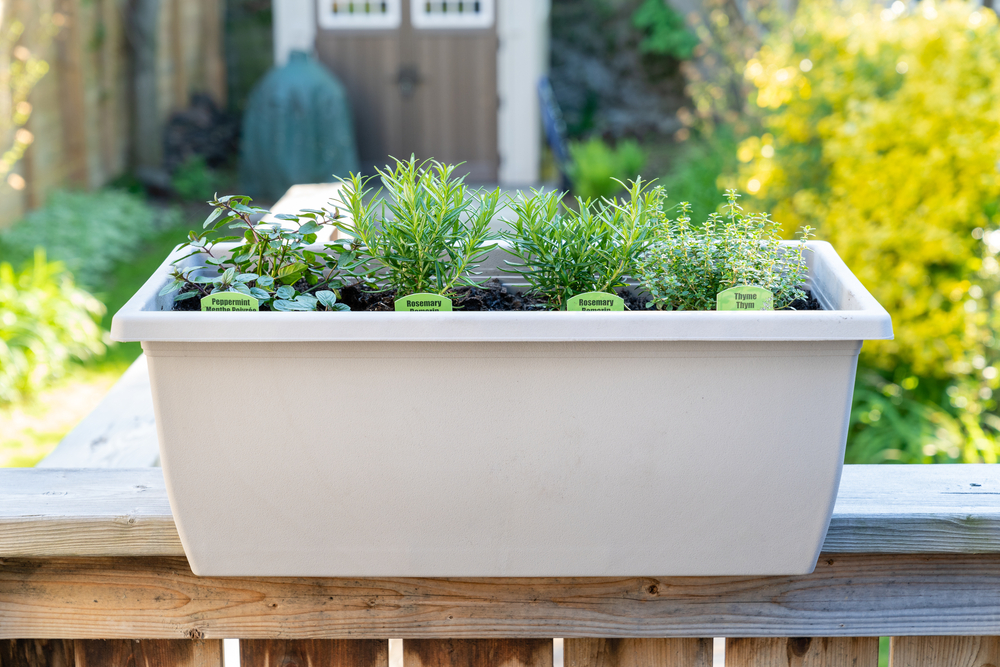
Your basil is still producing fresh leaves, the rosemary looks healthier than ever, and your mint has finally filled its container. Then the weather forecast delivers the bad news: freezing temperatures are coming. Bringing your favorite herbs indoors seems like an obvious way to save them, but there’s one problem you might not have considered.
Those outdoor containers could be hiding aphids, spider mites, fungus gnats, or other unwanted visitors. Once inside your warm home, certain pests can multiply quickly and spread to houseplants that were previously healthy.
According to the University of Illinois Extension, inspecting outdoor plants before bringing them inside is essential for preventing indoor infestations. Fortunately, moving container herbs indoors doesn’t require expensive equipment or complicated treatments.
A little preparation can help protect your plants, preserve your herb harvest, and prevent a small gardening problem from becoming a household headache.
Inspect Every Herb Before Bringing It Inside
The first step in moving container herbs indoors is checking each plant carefully for signs of insects. According to the University of Minnesota Extension, gardeners should inspect the tops and undersides of leaves, stems, and containers before moving plants inside. Look for tiny moving insects, sticky residue, fine webbing, discolored leaves, or unusual bumps along the stems. Aphids often gather around tender new growth, while spider mites may leave small pale spots and delicate webbing on foliage. Use a magnifying glass or your phone’s camera to examine suspicious areas before deciding whether a plant is ready to enter your home.
Don’t Forget to Check the Soil and Containers
Even when the leaves look perfectly healthy, pests may be hiding somewhere less obvious. Nebraska Extension recommends examining containers and growing media because insects can shelter around drainage holes, beneath pot rims, and in the soil. Ants, earwigs, and other outdoor insects sometimes move into containers during warm weather without causing noticeable damage to the plants. Gently lift each pot, inspect the drainage holes, and remove accumulated leaves or debris from the soil surface. If you discover a significant infestation in the potting mix, consider repotting with fresh commercial potting soil rather than bringing the problem indoors.
Give Plants a Gentle Cleaning Before the Move
One inexpensive way to reduce unwanted insects is to wash your herbs before bringing them inside. A firm spray of water can help dislodge certain pests from leaves and stems. Use a gentle enough stream to avoid breaking tender basil, parsley, or mint stems while concentrating on the undersides of leaves where insects frequently hide. Wipe down the outside of containers and clean reusable saucers to remove dirt, insect eggs, and other debris. Allow plants to drain thoroughly before moving them indoors, since unnecessarily wet soil can create additional problems during the transition.
Isolate Your Herbs Before Placing Them Near Houseplants
One of the biggest mistakes gardeners make when moving container herbs indoors is immediately placing them beside established houseplants. It is recommended to keep newly moved plants separate for several weeks because insect problems may not be immediately visible. A spare room, enclosed porch with suitable temperatures, or separate sunny window can provide a temporary observation area. During this period, inspect leaves every few days and watch for flying insects, sticky residue, or fresh feeding damage. This simple quarantine period costs nothing and can help prevent an infestation from spreading throughout your indoor plant collection.
Use Pest Treatments Carefully on Edible Herbs
If you discover insects during inspection, resist the temptation to spray your herbs with whatever household cleaner happens to be nearby. The University of Maryland Extension’s Ask Extension service cautions that ordinary household soaps and detergents can damage plants and aren’t reliable substitutes for properly formulated insecticidal products. Insecticidal soap or horticultural oil may help control certain pests, but products must be labeled for the specific plant, pest, and intended use. Because these herbs will eventually be eaten, verify that any treatment is approved for edible crops and follow all label instructions, including applicable harvest restrictions. For minor infestations, removing affected leaves or washing insects away with water may be sufficient without purchasing additional products.
Choose the Right Indoor Location for Each Herb
Successfully moving container herbs indoors involves more than eliminating insects because plants must also adjust to different growing conditions. According to Iowa State University Extension, most herbs grow best with approximately four to six hours of direct sunlight daily. Parsley, mint, and chives may tolerate somewhat lower light levels, while rosemary and thyme often need stronger illumination or supplemental grow lights. A bright south-facing window can work well, but avoid placing containers directly beside heating vents or drafty doors. If your herbs begin producing pale, stretched stems, insufficient light may be the problem rather than a new pest infestation.
Adjust Watering to Prevent Fungus Gnats
Outdoor herbs often require frequent watering during warm weather, but their needs typically decrease once they’re inside. The University of Maryland Extension explains that indoor herbs need well-drained soil and careful watering to avoid overly wet growing conditions. Constantly damp potting mix can encourage fungus gnats, whose larvae develop in moist organic material. Check the soil with your finger before watering, and allow the surface to dry appropriately for the herb you’re growing. Rosemary and thyme generally prefer drier conditions than mint, so watering every container on the same schedule can create unnecessary problems.
Know Which Herbs Are Worth Overwintering
Not every outdoor herb needs to be rescued before winter, and some may survive outdoors depending on your climate. According to NC State Extension, perennial herbs such as chives, mint, and certain thyme varieties can tolerate cold conditions when properly established and protected. Tender basil, however, is vulnerable to frost and generally needs to be brought indoors or replaced when temperatures drop. Rosemary’s winter survival varies by variety and location, making container growing useful in regions with severe winters. Before carrying every pot into your house, check the plant’s cold tolerance and decide whether indoor protection is actually necessary.
Keep Monitoring Plants Throughout the Winter
Even after a successful transition, moving container herbs indoors doesn’t guarantee that pests will never appear. You should check indoor plants regularly because insect populations can increase before obvious damage develops. Look beneath leaves while watering, inspect new growth, and watch for small flying insects near the soil surface. Yellow sticky traps can help detect adult fungus gnats and certain other flying pests, although they won’t eliminate every infestation. Catching a problem early usually makes it easier to manage without sacrificing an entire plant or spending money on unnecessary treatments.
Save Your Herbs Without Inviting Pests Into Your Home
The secret to successful moving container herbs indoors is treating the transition as a process rather than simply carrying pots through the front door. Inspecting foliage, cleaning containers, isolating plants, and adjusting watering habits can significantly reduce the chances of unwanted insects becoming established. Adequate sunlight, drainage, and appropriate indoor growing conditions are important for healthy herbs. With a little preparation, you may be able to keep harvesting fresh ingredients throughout winter instead of buying expensive supermarket herb packages.
Have you ever brought outdoor herbs inside for winter and discovered unexpected pests, or do you have a favorite trick for keeping your indoor herb garden healthy? Share your experiences in the comments.
What to Read Next
How to Refresh Container Gardens With Cool-Season Color
You May Not Need to Buy New Potting Soil for Every Container Next Spring
7 Fall Crops You Can Grow in Containers Instead of Buying Raised Beds
Leave a Reply