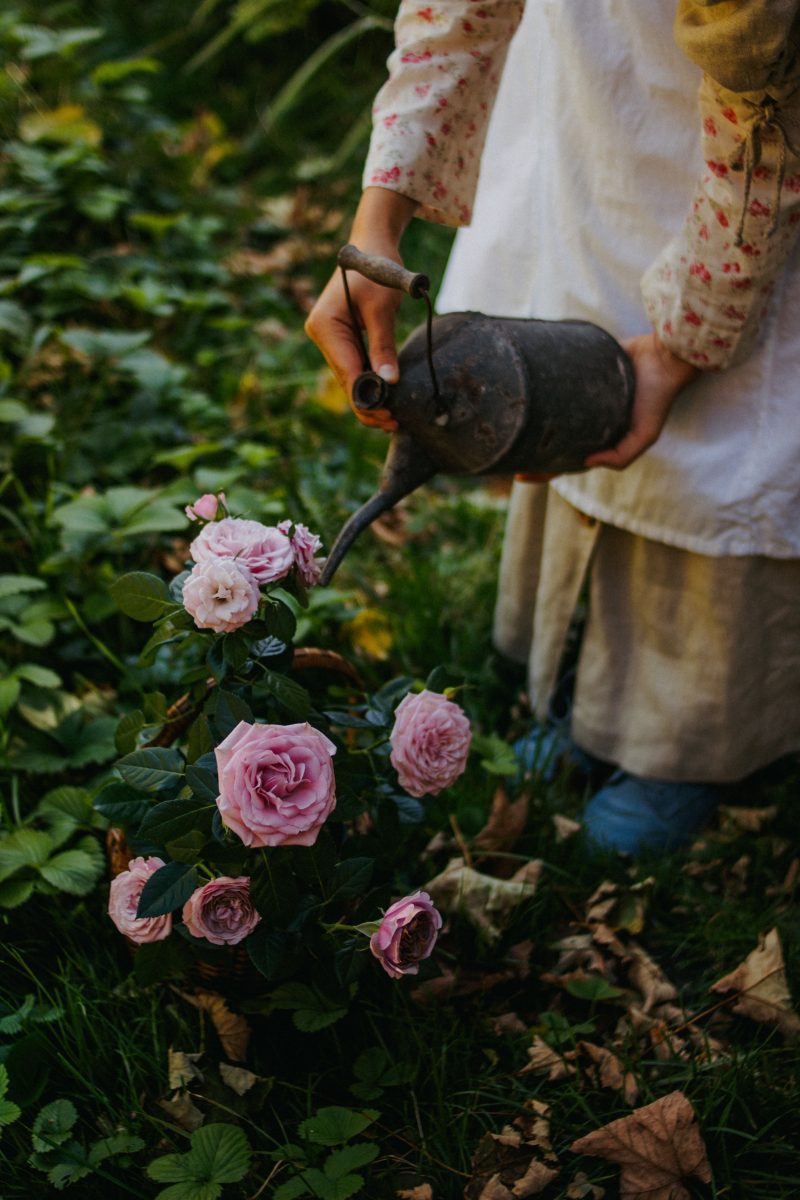
Your roses may be producing their final flowers of the season, but what you do in the garden this fall could determine how well they perform next spring. Many gardeners assume that cutting everything back, adding fertilizer, and tidying up flower beds will give their roses a head start. Unfortunately, some of those well-intentioned chores can actually weaken rose bushes before winter arrives.
The good news is that proper fall rose care doesn’t have to involve expensive products or hours of additional work. According to Iowa State University, roses benefit from a seasonal approach that includes appropriate watering, disease prevention, and winter protection when necessary. Avoiding these seven common mistakes can help protect your plants and improve your chances of enjoying healthy, beautiful blooms next year.
Pruning Your Roses Too Aggressively Before Winter
One of the biggest fall rose care mistakes is cutting rose bushes back simply because the growing season is ending. Heavy pruning can stimulate tender new growth that may not have enough time to harden before freezing temperatures arrive. Iowa State University recommends waiting until early spring for major pruning, when gardeners can identify winter-damaged stems and remove them without unnecessarily sacrificing healthy growth. Some exceptionally long canes may need to be secured against winter winds, but that doesn’t mean the entire plant should receive a dramatic haircut. Leaving most healthy stems intact until spring gives your roses a better chance of surviving winter with less damage.
Fertilizing Too Late in the Growing Season
It might seem logical to give your roses one last feeding before winter, especially if they look tired after months of flowering. However, applying nitrogen-rich fertilizer late in the season can encourage new growth when the plant should be preparing for dormancy. That soft growth is particularly vulnerable to freezing temperatures and may suffer damage before it has a chance to mature. Instead of reaching for another bag of fertilizer, focus on maintaining healthy soil and allowing the plant’s natural seasonal changes to occur. Fertilizer cutoff dates vary by climate and rose type, so consult your local Cooperative office rather than assuming that a schedule designed for northern gardens will work in a warmer region.
Forgetting to Water During Dry Fall Weather
Cooler temperatures don’t automatically mean your roses have enough moisture to survive the season. Fall can bring extended dry periods, and roses that enter winter already stressed by drought may be more vulnerable to cold damage. You should continue to water roses when conditions are dry, particularly newly planted shrubs that haven’t established extensive root systems. Check the soil several inches below the surface before watering, and provide moisture around the root zone rather than repeatedly sprinkling the foliage. Once the ground freezes, watering becomes impractical, but maintaining appropriate soil moisture beforehand can help your plants enter winter in better condition.
Leaving Diseased Leaves Around the Base of Your Roses
Fallen leaves might seem like harmless natural mulch, but rose foliage affected by fungal diseases can create problems for next year’s garden. Black spot and other common rose diseases may persist in infected plant debris, potentially contributing to new infections when favorable conditions return. The University of Illinois recommends removing fallen foliage and debris before applying winter protection to reduce disease problems the following season. Rake up visibly diseased leaves, remove dead flower debris, and dispose of contaminated material according to local gardening guidance rather than leaving it beneath your bushes. This inexpensive cleanup task can reduce disease pressure and may help limit the need for additional treatments next year.
Covering Roses Too Early in the Fall
When the first chilly nights arrive, gardeners sometimes rush to wrap their rose bushes or pile heavy mulch around their stems. However, applying winter protection too early can interfere with the plants’ natural transition into dormancy and potentially trap excessive moisture. Iowa State University recommends waiting until plants are fully dormant before applying substantial winter insulation, typically in early to mid-November in much of Iowa. The appropriate timing will be different in warmer climates, where many established landscape roses need little or no special winter protection. Rather than following the calendar alone, consider your local temperatures, the rose variety, and whether the plant is actually vulnerable to winter injury.
Treating Every Rose Variety the Same Way
Not all roses need identical fall care, and assuming otherwise can lead to unnecessary work or inadequate protection. Hardy shrub roses, old garden varieties, climbing roses, and hybrid teas can differ considerably in their ability to withstand freezing temperatures. According to Iowa State University, many modern hybrid tea, floribunda, and grandiflora roses require winter protection in cold climates, while numerous hardy shrub and landscape roses do not. Grafted roses may also need additional attention because the graft union can be especially sensitive to severe cold. Before purchasing expensive rose covers or protective materials, identify the varieties growing in your garden and determine what they actually need in your USDA hardiness zone.
Forgetting About Roses Growing in Containers
Potted roses are easy to overlook because they may appear just as healthy as roses growing directly in the ground. However, their roots are surrounded by a relatively small amount of soil, making them more vulnerable to extreme temperature changes during winter. Iowa State University warns that container-grown roses left exposed on decks or patios can experience serious root damage when potting soil freezes. In colder climates, gardeners may need to move dormant potted roses into a protected, unheated location or temporarily sink their containers into the ground for insulation. Taking these precautions can save you from replacing an established rose bush that might otherwise have survived with proper protection.
Sometimes the Best Fall Rose Care Means Doing Less
Healthy roses don’t necessarily need constant attention as the growing season comes to an end, and excessive maintenance can sometimes create more problems than it solves. Good fall rose care focuses on avoiding unnecessary pruning, maintaining appropriate moisture, removing diseased debris, and providing winter protection only when the plant and climate require it. These simple steps can also save money by reducing wasted fertilizer purchases, unnecessary gardening products, and the cost of replacing winter-damaged plants. Remember that roses growing in Minnesota may need very different treatment from those growing in Georgia or California, so local conditions should always guide your decisions.
What’s your biggest fall rose care challenge, and have you ever made a gardening mistake that affected your roses the following spring? Share your experiences in the comments.
What to Read Next
How to Prevent Weeds From Taking Over Fall Garden Beds
Leave a Reply