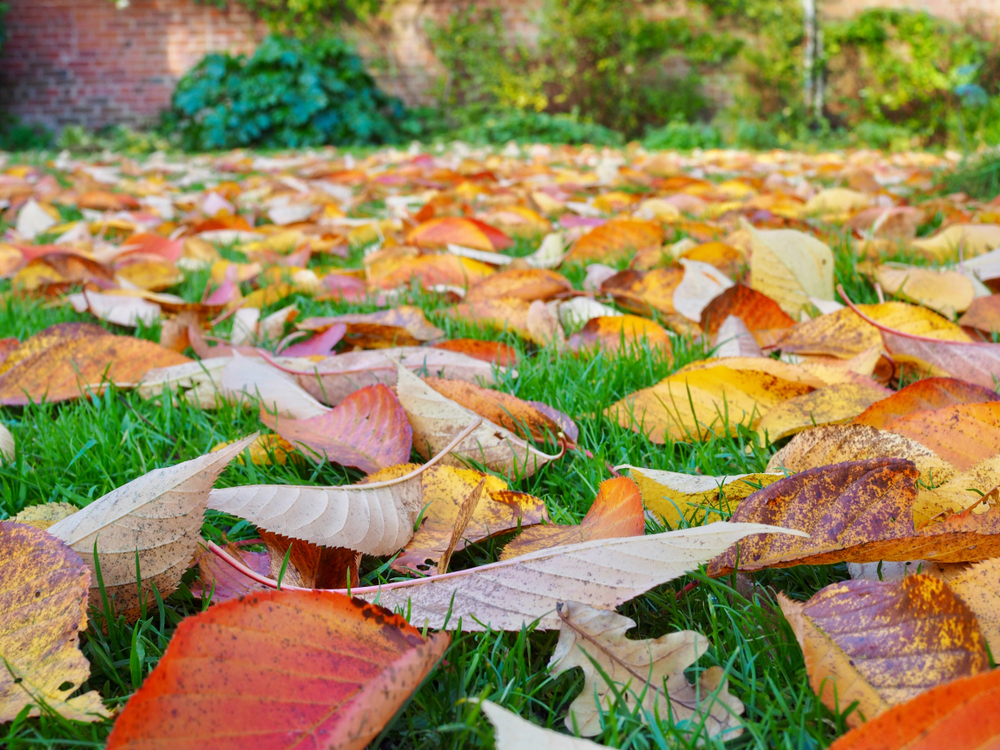
Every fall, homeowners rake up something they may turn around and pay to replace a few months later. Fallen leaves contain organic matter and nutrients, yet millions of gardeners treat them as waste before buying bags of mulch, compost, and soil amendments in spring. In fact, Penn State estimates that the leaves from one large shade tree can provide as much as $50 worth of plant food and humus. Instead of dragging that value to the curb, you can use fallen leaves in the garden in several ways that improve soil, protect plants, suppress weeds, and potentially reduce next year’s garden expenses. The trick is knowing when to shred them, when to compost them, and when leaving some leaves alone is actually the better choice.
Shred Leaves Into Free Garden Mulch
One of the quickest ways to reuse fallen leaves in the garden is to turn them into mulch for vegetable and flower beds. Leaf mulch can conserve soil moisture, moderate soil temperatures, limit erosion, suppress weeds, and eventually contribute organic matter and nutrients to the soil. Shredding leaves with a mower before spreading them is usually worthwhile because whole leaves can mat together and interfere with air and water movement. Spread the shredded material around plants rather than packing a thick, wet mass directly against stems, trunks, or crowns. If you normally purchase several bags of mulch each year, redirecting your own leaves into garden beds is one of the simplest places to trim that expense.
Build a Compost Pile With Your Fall Cleanup
Dry autumn leaves are valuable compost ingredients because they’re considered carbon-rich “brown” material. It is recommended to combine roughly two parts brown material with one part nitrogen-rich green material, such as vegetable scraps, fresh grass clippings, or other fresh plant material. The pile needs moisture and oxygen as well, so aim for material that’s damp rather than waterlogged and turn the pile periodically to keep decomposition moving. Don’t add meat, dairy products, pet waste, or diseased and pesticide-treated plants just because you’re trying to fill the pile faster. Done correctly, composting fallen leaves in the garden transforms a cleanup chore into a dark, crumbly soil amendment you would otherwise have to buy.
Make Leaf Mold If Regular Composting Sounds Like Too Much Work
You don’t necessarily need to master compost ratios to get something useful from a pile of leaves. Leaf mold is essentially leaves allowed to decompose primarily on their own, making it an appealing low-effort option for gardeners with an out-of-the-way corner of the yard. Shredded leaves can develop into usable material in about six months under favorable conditions, while whole leaves may take roughly nine to 12 months or longer. Piling or containing the leaves and keeping them appropriately moist lets fungi and other decomposers gradually turn them into a dark material that can help improve garden soil. It isn’t instant gratification, but you’re essentially storing a free resource this fall for use during next year’s growing season.
Mulch Leaves Right Into the Lawn
Not every leaf needs to leave the lawn on the end of a rake. When leaf coverage is moderate, running a mower over dry leaves can chop them into pieces small enough to settle between grass blades and decompose. University of Minnesota says this practice returns nutrients, including potassium, phosphorus, and some nitrogen, to the soil while contributing organic matter that can improve soil structure. However, there’s a limit: UMN recommends changing tactics once leaf material becomes so heavy that less than roughly half the lawn remains visible. A thick mat of intact leaves can block light, trap moisture, and harm turf, so “leave the leaves” shouldn’t be interpreted as “bury the lawn.”
Use Leaves to Protect Plants From Winter Weather
Leaves also make an inexpensive insulating material when temperatures begin dropping. You should use leaves around garden plants because they can moderate soil temperature and help protect roots and crowns from damaging freeze-and-thaw cycles. Tender perennials can sometimes benefit from leaves held in place around them with a simple wire or burlap enclosure rather than expensive specialty winter-protection products. Wait until consistently cold conditions arrive before applying heavy winter insulation because covering plants too early can keep the soil warmer than intended. Using fallen leaves in the garden this way is particularly appealing when the alternative is purchasing straw, commercial mulch, or other insulating materials.
Leave Some Leaves for Wildlife
Turning leaves into “garden gold” doesn’t always mean chopping, moving, or composting every last one. University of Minnesota notes that moths, butterflies, bumblebees, and other wildlife can rely on fallen leaves and plant debris for winter protection. Healthy leaves can therefore remain in portions of flower beds, beneath trees, and in less manicured garden areas where they gradually decompose while providing habitat. Leaves from plants affected by fungal disease deserve different treatment, and UMN recommends removing infected plant material rather than deliberately leaving it throughout the garden. A balanced cleanup can preserve tidy high-traffic areas while leaving less-visible pockets of natural material where insects and soil organisms can use them.
Save a Stockpile for Next Year’s Garden
If autumn delivers far more leaves than your beds need immediately, don’t assume the excess has to go to the curb. Store dry leaves in a simple bin or pile, and you’ll have a ready supply of carbon-rich material to balance grass clippings, vegetable scraps, and other nitrogen-rich materials in future compost batches. Shredding them first dramatically reduces their volume, making a surprisingly large quantity easier to store in a small area. Penn State notes that finished leaf compost can improve both heavy clay and sandy soils by improving structure, drainage, and the soil’s ability to retain moisture and nutrients. Keeping a reserve means fallen leaves in the garden can continue saving you money long after the trees have finished dropping them.
Your Trees May Be Giving You Free Garden Supplies
The strangest part of fall cleanup is that gardeners sometimes pay to remove leaves in October and then pay for bags of compost and mulch the following spring. Fallen leaves won’t replace every soil amendment your garden might need, but they can become mulch, compost, leaf mold, lawn nutrients, winter insulation, and valuable habitat without requiring a trip to the garden center. Keep diseased material out of the recycling stream, avoid allowing thick layers to smother turf, and shred leaves when matting could become a problem. Once you start viewing fallen leaves in the garden as a resource instead of yard waste, that enormous pile beneath the maple tree looks considerably more valuable.
Do you reuse your fall leaves in the garden, or have you always bagged them up and sent them to the curb?
What to Read Next
Why Raking Leaves Off the Lawn Still Matters
Should You Leave Fallen Leaves on the Lawn? Yes and No
Don’t Bag Those Fall Leaves — They Could Replace 3 Things You Pay for in the Garden
Leave a Reply