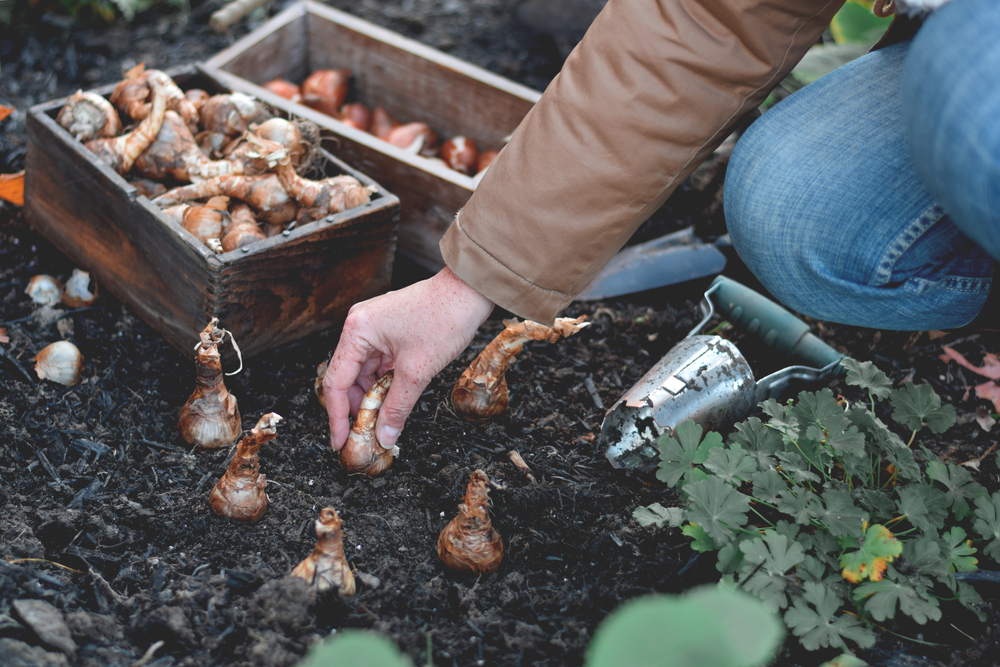
Those bags of tulips, daffodils, and crocuses appearing in garden centers every fall aren’t being sold months early by accident. Many familiar spring-flowering bulbs actually need an extended period of cold before they’ll develop and bloom properly, which is why gardeners traditionally put them into the ground before winter rather than waiting for spring.
The process is called vernalization, and understanding bulb chilling time becomes especially important if you live where winters are mild or you’re trying to force bulbs indoors. Depending on the flower, the necessary cold period can stretch from roughly 10 to 17 weeks. Give bulbs the winter conditions they expect, and those seemingly dormant packages can become some of the earliest color in next year’s garden.
1. Tulips Need a Long Winter Rest
Tulips are one of the classic examples of a flower that depends on cold exposure before blooming. Penn State recommends about 15 to 17 weeks of chilling for tulips being forced into bloom, with an optimal chilling temperature around 40 to 45 degrees Fahrenheit. Gardeners in colder regions usually get that treatment naturally when bulbs are planted outside in fall. In climates where winter soil doesn’t remain cold long enough, gardeners may need to buy pre-chilled bulbs or provide supplemental chilling. Skipping adequate bulb chilling time can result in disappointing growth and poor or absent flowers.
2. Daffodils Also Depend on Cold Temperatures
Daffodils may look indestructible when they push through cold spring soil, but winter is actually part of what prepares them to bloom. Penn State recommends approximately 15 to 17 weeks of chilling for daffodils when they’re being forced indoors. That cold period helps break dormancy and supports the development of roots, stems, leaves, and eventually flowers. University of Minnesota similarly explains that hardy spring-flowering bulbs require a cold period to break dormancy and begin spring flower development. Planting in fall isn’t merely about getting a chore done early; you’re putting the bulb in place for an important stage of its biological cycle.
3. Hyacinths Need Slightly Less Chilling
Hyacinths provide some of spring’s strongest fragrance, and they’re also popular bulbs for indoor forcing. Penn State lists their recommended chilling period at roughly 12 to 15 weeks, somewhat shorter than the recommendation for tulips and daffodils. They’re considered among the easier spring bulbs to force, which makes them a good option if you’re experimenting with chilled bulbs for the first time. Once the required chilling period ends, spring bulbs being forced generally need another two to six weeks before they grow and bloom. That means gardeners hoping for flowers on a particular date need to count backward several months rather than starting the project a few weeks beforehand.
4. Crocuses Need More Cold Than Their Size Suggests
Crocuses may be tiny compared with tulips, but their chilling requirement isn’t. Penn State recommends approximately 15 to 17 weeks of cold treatment for crocuses before forcing them to flower. Technically, a crocus grows from a corm rather than a true bulb, but gardeners typically group these spring-flowering structures together when planning fall displays. Crocuses, daffodils, tulips, and hyacinths are planted in fall so they can overwinter before their spring show. For a small investment, crocuses can also naturalize and spread over time, making them an appealing choice for frugal gardeners.
5. Grape Hyacinths Need Their Winter Too
Grape hyacinths, or Muscari, produce clusters of tiny blue, purple, or white flowers that can fill spaces between larger spring bulbs. Despite the name, they’re different from traditional hyacinths and have their own bulb chilling time requirements. Penn State recommends roughly 15 to 17 weeks of chilling when grape hyacinths are being forced. Their small size makes them useful for layering with larger bulbs in containers, where they can provide flowers without taking up much room. Outdoors, they can also multiply and return in future years when growing conditions suit them, potentially providing more flowers without another trip to the garden center.
6. Dwarf Irises Are Another Cold-Dependent Choice
Some irises also rely on winter temperatures before producing their early spring flowers. Penn State recommends about 16 to 17 weeks of chilling for dwarf iris types such as Iris reticulata and Iris danfordiae. These compact plants are particularly useful near walkways and garden edges where their early flowers won’t disappear behind taller perennials. Like crocuses, they grow from structures technically classified as bulbs or bulb-like storage organs depending on the species, but the gardening principle remains the same. They need their cold period before warmer spring conditions signal that it’s time to grow.
7. Snowdrops Don’t Need Quite as Long
Snowdrops are famous for appearing when the rest of the garden still looks firmly stuck in winter. Their required cold treatment for forcing is shorter than that of many familiar spring bulbs, with Penn State recommending about 10 to 12 weeks. Snowdrops are among the earliest spring bloomers, alongside winter aconite, dwarf iris, and crocus. Planting several early, middle, and late spring bulbs together can stretch your display rather than having the entire bed flower during one brief week. That’s an inexpensive landscape trick that makes a relatively small bulb purchase look more impressive over a longer period.
8. Squill Offers Another Early-Spring Option
Squill, or Scilla, is another small spring flower that requires a period of chilling. Penn State lists approximately 12 to 16 weeks of cold treatment for squill when forcing the bulbs. Outdoors, Siberian squill can bloom early and naturalize where conditions are favorable, creating larger drifts over time. That ability to spread can be attractive to gardeners trying to fill a space economically, although you should always check whether a plant is considered invasive in your area before encouraging it to naturalize. When planning bulb chilling time, remember that the specific variety and intended use can affect the exact recommendations you should follow.
9. Paperwhites and Amaryllis Are the Big Exceptions
Here’s where gardeners sometimes accidentally create extra work: not every bulb sold for winter or spring flowers needs chilling. Penn State specifically identifies paperwhite narcissus and amaryllis as bulbs that don’t require a chilling period before being forced. These plants originate from climates where winter conditions differ from those experienced by tulips, crocuses, and many other hardy spring bulbs. Putting them through months of refrigeration isn’t necessary and can complicate what should be a relatively straightforward indoor growing project. Check the bulb type before automatically assuming every package needs three months in the refrigerator.
Refrigerator Chilling Comes With One Important Warning
If your climate won’t provide enough cold naturally, a refrigerator can simulate winter for bulbs you’re forcing. Penn State recommends storing potted bulbs in a dark location around 40 to 45 degrees during their chilling period, while other pros give a similar range of about 35 to 45 degrees. However, don’t store the bulbs near ripening fruit such as apples because fruit releases ethylene gas that can interfere with flower development. Keep the growing medium slightly moist rather than waterlogged, and don’t simply pull the pots out early because shoots have appeared. Completing the recommended bulb chilling time gives you a much better chance of getting the flowers you spent money and months waiting for.
Winter Is Part of the Spring Flower Show
A spring bulb isn’t simply sitting underground doing nothing while the garden looks dormant. Cold exposure helps break dormancy and prepares many familiar flowers for the growth that follows when soil temperatures rise. Tulips, daffodils, crocuses, grape hyacinths, and dwarf irises generally need substantial chilling, while snowdrops and hyacinths may require somewhat shorter periods depending on the species and variety. If you’re planting outdoors in a climate with reliably cold winters, nature often handles this job for free; if you’re forcing bulbs or gardening somewhere warm, you’ll need to pay closer attention.
Which spring bulbs do you plant every fall, and have you ever tried chilling and forcing some indoors for an early display?
What to Read Next
Fall Pruning Mistakes That Can Weaken Spring Growth
10 Bulbs to Plant in October for Strong Spring Color
Buy Garden Supplies Now or Wait Until Spring? 7 Things That Are Often Cheaper Off-Season
Leave a Reply