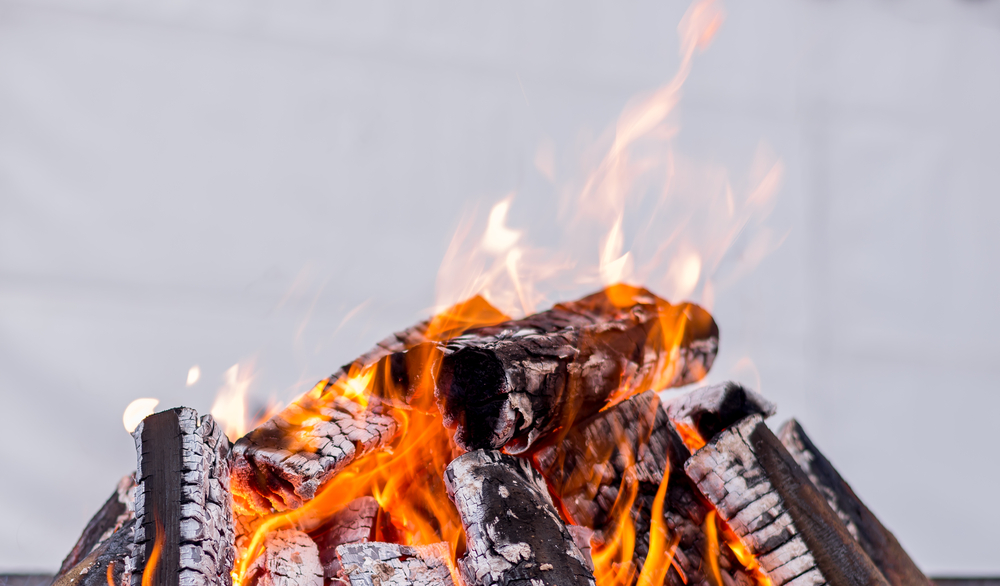
A neighbor cuts down a tree, posts “free firewood” online, and suddenly you can picture a winter’s worth of backyard fires without spending a dime. Before loading your truck, however, there’s one question worth asking: Where did that wood come from? The USDA Animal and Plant Health Inspection Service warns that invasive insects and diseases can travel inside firewood, sometimes without obvious signs on the outside. Some of those hitchhikers can emerge after you bring the logs home and threaten healthy trees in your yard or neighborhood. Practicing safe firewood movement may mean passing up a free load of wood when you can’t determine where it originated.
A Log Can Look Perfectly Normal and Still Carry Pests
You can’t necessarily determine whether firewood is safe by giving it a quick inspection before loading your vehicle. The National Invasive Species Information Center says invasive insects and pathogens can hide in wood from both healthy and diseased trees, and some insects can survive in firewood for more than three years. Wood-boring insects are particularly troublesome because immature stages may be concealed underneath bark or inside the wood where they’re difficult to spot. The firewood then becomes transportation that allows the pest to travel far beyond the distance it would normally cover on its own. By the time an adult insect crawls or flies out of the stack beside your house, the “free firewood” has already reached its destination.
Emerald Ash Borer Shows How Serious the Problem Can Become
The emerald ash borer is one of the clearest examples of what can happen when a destructive insect travels with wood. USDA APHIS says the invasive beetle has caused the death and decline of tens of millions of ash trees in North America. Its larvae live and feed beneath the bark, disrupting the tree’s ability to transport water and nutrients, and infested firewood and logs have helped people move the insect over long distances. Early infestations can also be difficult to detect because much of the damage is hidden beneath the bark and tree decline happens gradually. That history is one reason safe firewood movement remains important even in places where emerald ash borer is already established.
Emerald Ash Borer Isn’t the Only Hitchhiker
A metallic-green beetle isn’t the only thing that could arrive with a load of firewood. The North Carolina Forest Service lists invasive threats associated with wood movement including Asian longhorned beetle, redbay ambrosia beetle, walnut twig beetle, common pine shoot beetle, Sirex woodwasp, and European spongy moth. Some spend part of their life cycle inside wood, while other pests can leave eggs on the surface. The spotted lanternfly provides another example: USDA says it can lay egg masses on firewood as well as vehicles, trailers, grills, furniture, and other hard surfaces. What you’re trying to prevent isn’t one specific bug but the accidental transportation system that firewood provides to many different pests.
Distance Matters More Than Whether the Wood Was Free
Firewood from a tree removed three houses down is a very different proposition from free wood someone hauled home from another state. Recommendations differ somewhat by location, but NC State recommends burning firewood within 50 miles of where it was cut and, when possible, within 10 miles. USDA offers an even simpler message for consumers: buy firewood where you plan to burn it. Regulations can also vary among states and pest quarantine areas, meaning wood that’s legal to move in one situation may be restricted in another. Before accepting wood that traveled any meaningful distance, check your state agriculture or forestry agency’s current firewood rules rather than assuming “it’s just logs” means transportation doesn’t matter.
“It Has Been Sitting Outside for a Year” Doesn’t Guarantee Safety
Old firewood isn’t automatically pest-free firewood. The National Invasive Species Information Center notes that some invasive insects can survive in firewood for more than three years, so one season in a woodpile isn’t necessarily enough to eliminate the risk. Air-dried or “seasoned” wood also shouldn’t automatically be confused with officially heat-treated firewood because drying conditions vary dramatically. USDA recommends properly heat-treated firewood when wood must be moved rather than assuming ordinary aging has killed whatever may be inside. For safe firewood movement, documented treatment is more meaningful than someone saying the pile “has been drying forever.”
Heat-Treated Firewood Is Different From Ordinary Seasoned Wood
If you’re traveling to a campground or another location where bringing local wood isn’t practical, certified heat-treated firewood can provide a safer alternative. USDA specifically recommends heat-treated firewood when it must be transported because proper treatment kills pests that could otherwise survive the trip. Look for packaging or certification that clearly identifies the product as heat treated rather than assuming kiln-dried, seasoned, debarked, or visibly dry wood has received an equivalent treatment. Parks and campgrounds may have their own rules about what wood visitors can bring, so check the destination’s website before loading the vehicle. Buying a bundle after you arrive may cost a little more than bringing free wood from home, but it’s considerably cheaper than helping establish a destructive pest somewhere new.
Be Especially Careful When Someone Offers Wood Online
Facebook Marketplace, neighborhood groups, roadside signs, and community message boards can be excellent places to find inexpensive garden and household materials. With firewood, however, “free pickup” tells you nothing about where the tree grew, how far the wood has already traveled, what species it is, or whether it came from an area affected by a regulated pest. Ask where the tree was cut and decline the load when the seller or giver can’t provide a reasonable answer. Don’t assume removing visible insects solves the problem because eggs, larvae, fungi, or other organisms may remain hidden. Free wood from a known local tree can be useful; mystery wood that has traveled hundreds of miles isn’t worth gambling your landscape on.
If You Already Moved Firewood, Don’t Move It Again
Maybe you’re reading this while looking at a stack of wood you already hauled home from vacation. Don’t panic, and don’t solve the problem by giving the logs to someone in another town, which simply moves the potential hitchhikers again. Guidance from forestry agencies generally emphasizes keeping questionable transported wood at its destination and burning it rather than redistributing it, while following any applicable local restrictions. Inspect the wood and nearby trees for unusual insects, exit holes, tunneling beneath loose bark, egg masses, or unexpected tree decline, but remember that the absence of obvious evidence doesn’t prove the wood is pest-free. If you find a suspicious insect or tree damage, your state agriculture department, forestry agency, or local Cooperative office can help determine what you’ve found.
The Cheapest Firewood Is the Wood That Stays Local
Frugal gardening often means recognizing when “free” genuinely saves money and when a bargain carries costs you can’t see yet. A local tree cut down in your neighborhood can provide useful firewood without unnecessarily transporting forest pests across long distances, while mystery wood brought from far away creates a completely different risk. USDA’s recommendation for safe firewood movement is refreshingly simple: obtain your wood where you’re going to burn it, or choose properly heat-treated firewood when transportation is necessary. That approach helps protect not only forests but the shade trees, fruit trees, and ornamental trees homeowners have already invested years and money into growing.
Would you turn down free firewood if you discovered it had been hauled in from hundreds of miles away?
What to Read Next
Can You Grow an Avocado Tree From the Pit — And Will It Ever Produce Fruit?
Should You Buy Clearance Trees and Shrubs in Fall? Check the Roots First
You’re Mulching Too Deep — And It Could Slowly Kill Your Trees
Leave a Reply