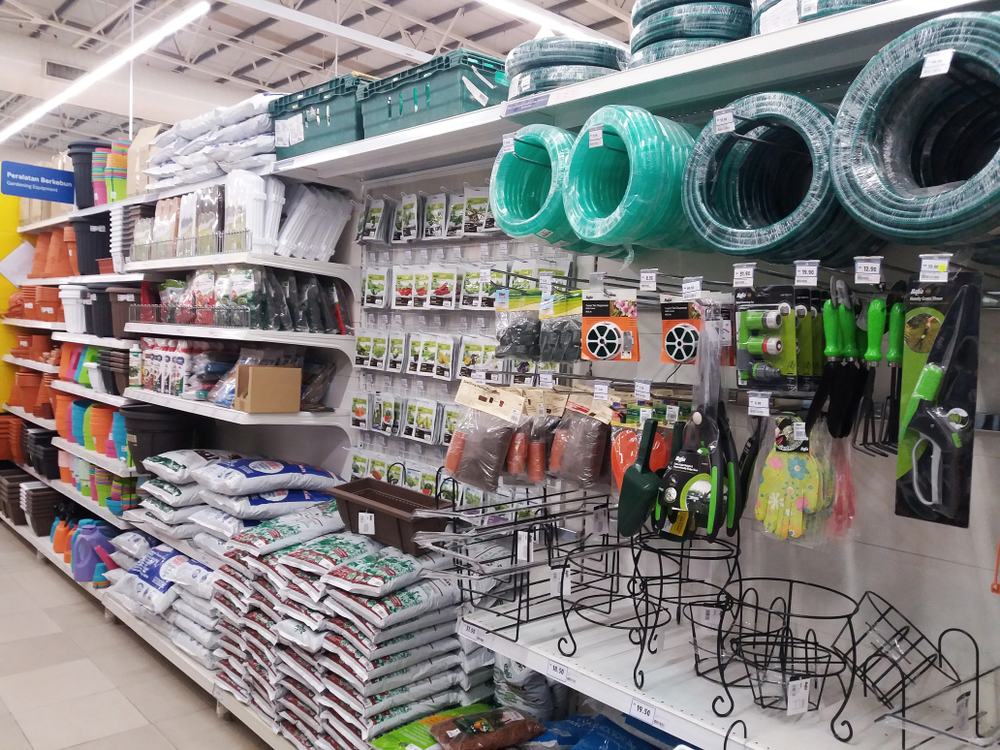
Spring has a way of making gardeners spend money quickly: the weather warms up, planting season suddenly feels urgent, and everyone seems to need the same shovel, planter, hose, and trellis at once. Fall flips that equation because retailers begin clearing seasonal merchandise to make room for winter inventory, creating opportunities to buy next year’s supplies when demand is lower. A former garden-center manager recently told Gardening Know How that the end of the growing season is generally one of the best times to look for markdowns as stores try to move remaining inventory. That doesn’t mean every red clearance sticker represents a bargain, but buying garden supplies off-season can make sense when you’re purchasing durable items you already know you’ll use. Before postponing everything until spring, check these seven categories while garden-center shelves are being cleared.
1. Hand Tools Can Be Worth Buying Before Spring
A trowel, cultivator, pruner, or shovel doesn’t become obsolete simply because tomato season is over. Garden tools are among the items that can appear in late-season promotions, and buying them now gives you time to choose quality rather than grabbing whatever remains when a tool breaks during spring planting. High-quality garden tools can be expensive but can last much longer when properly maintained, making durability more important than simply finding the lowest price. Before buying clearance tools, check handles for cracks, moving parts for damage, and blades for defects rather than assuming every marked-down item is unused and perfect. Clean, dry, sharpen, and store your purchase away from moisture over winter so your bargain doesn’t begin rusting before you ever dig a hole.
2. Pots and Planters Don’t Care What Season It Is
Decorative containers take up substantial retail space, which gives stores an incentive to move them as the outdoor gardening season winds down. Recent end-of-season shopping guidance identifies planters and containers among the garden categories commonly marked down as retailers transition seasonal inventory. A $40 planter bought cheaply in October performs exactly the same job next May, provided it survives storage, making containers especially well suited to buying garden supplies off-season. The catch involves materials: The University of Minnesota warns that water freezing inside large outdoor containers can cause ceramic pots to crack, so they should be dried, covered, drained, and ideally elevated when they can’t be brought inside. Inspect clearance pots carefully for hairline cracks before checkout, because a 60%-off planter that splits during the first freeze isn’t much of a deal.
3. Garden Hoses and Watering Accessories May Hit Clearance
By fall, fewer shoppers are standing in the garden aisle urgently looking for a new hose or sprinkler, and seasonal watering equipment can wind up among the items retailers want to clear. Current off-season shopping guides specifically include hoses and watering supplies among categories worth watching once peak gardening demand fades. Focus on products you know you’ll need—perhaps a replacement hose, watering wand, nozzle, or sprinkler—rather than buying miscellaneous fittings simply because they’re cheap. You should clean and store garden hoses for winter, an important step if you’re purchasing one months before you’ll regularly use it. Drain it thoroughly and store it somewhere protected rather than leaving your new bargain full of water outside in freezing weather.
4. Trellises, Stakes and Plant Supports Store Easily
Tomato cages and trellises look essential when six-foot vines are falling over in July, but they’re considerably less exciting to shoppers after the vegetable garden starts shutting down. That’s precisely why durable garden hardware and supports can be worth watching during seasonal clearance. Metal cages, stakes, trellises, plant ties, and similar reusable equipment also have an advantage over living plants: you aren’t racing against freezing weather to get them installed. If you’ve already planned next year’s tomatoes, peas, cucumbers, or climbing flowers, buying garden supplies off-season can let you prepare those structures months before seedlings need them. Just check folding joints, welds, coatings, and wooden components for damage so you’re buying genuinely usable equipment rather than the battered remains of the summer display.
5. Raised-Bed Supplies Can Be Easier to Justify on Sale
A new raised bed can turn into a surprisingly expensive project once you add the frame, hardware, soil, irrigation, and plants. End-of-season clearance can include raised-bed components and other bulky garden merchandise retailers would prefer not to carry indefinitely. This is one category where planning before shopping matters: measure the intended location and calculate how much soil the bed requires before an attractive clearance price convinces you that an enormous kit belongs in your yard. Check boxed kits for missing hardware and inspect display models closely for bent panels, damaged wood, or stripped fasteners. If the price is genuinely good and you already intended to build the bed, buying now also gives you winter to plan the soil mix, irrigation, and crop layout instead of doing everything during the first warm weekend of spring.
6. Patio and Outdoor Garden Furniture Often Gets Seasonal Markdowns
Gardeners who want a bench, potting table, outdoor shelf, or patio furniture may find some of the most obvious seasonal price movement after summer. Consumer shopping guidance consistently points to late summer and September as an important clearance period for patio furniture as retailers shift toward fall and holiday merchandise. Current fall deals illustrate the pattern: outdoor furniture promotions this September include discounts on chairs, dining sets, swings, and other patio pieces. Don’t buy a giant patio set simply because the original price makes the markdown look irresistible, but buying garden supplies off-season makes more sense when you’ve already budgeted for a specific outdoor upgrade. Measure both the garden space and your winter storage area before purchasing, because protecting furniture from weather can help preserve whatever savings you captured.
7. Some Bagged Supplies Can Wait for Next Year—With Care
Potting mix, mulch, and similar bagged garden products may be included when stores reduce seasonal inventory, but this category requires more caution than buying a shovel. If you’re storing potting material, keep saved soil dry or covered so it doesn’t collect debris or become waterlogged. Before stocking up on any fertilizer, soil amendment, pest-control product, or other packaged material, inspect the bag for tears, water damage, clumping, and storage instructions and make sure the product will still suit your plans next year. Chemical products should always be stored according to their labels and safely away from children and pets rather than left in freezing, leaking, or excessively hot conditions. The best buying garden supplies off-season strategy is stocking products with a definite future purpose, not accumulating mystery bags in the garage because they cost $3 less.
The Biggest Discount Isn’t Always the Best Deal
Fall clearance works best when you shop from next year’s garden plan instead of letting markdown stickers create the plan for you. Make a short list of items you routinely replace or already intended to buy, note their normal prices, and then compare clearance offers so you can distinguish a genuine bargain from a tiny discount dressed up with a bright sign. Waiting until spring can still be smarter when you need a particular variety, size, model, warranty period, or fresh product because clearance inventory naturally becomes more limited as stores sell through it. For durable necessities such as tools, containers, supports, watering equipment, raised-bed hardware, and outdoor furnishings, however, buying garden supplies off-season can shift part of next spring’s gardening bill into a period when retailers are more motivated to clear shelves.
What garden supply do you refuse to pay full spring-season prices for anymore?
What to Read Next
Bought a Plant Online? Check It for These Unwanted Hitchhikers Before It Reaches Your Garden
Leave a Reply