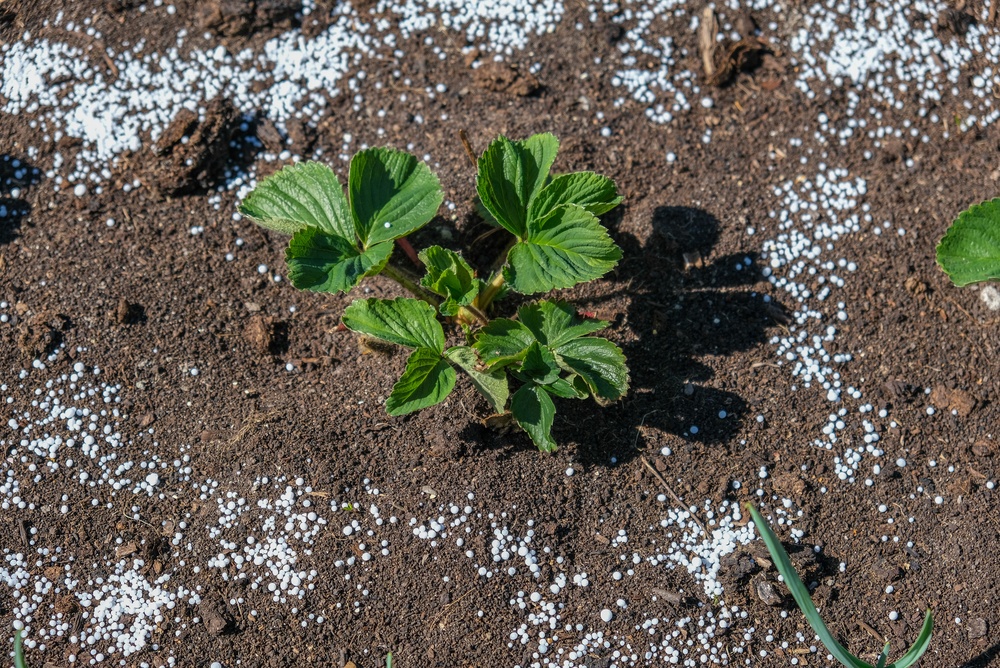
It seems logical that giving plants one final meal before winter would help them survive the cold, but the opposite can happen when fertilizer encourages growth at exactly the wrong time. As days shorten and temperatures fall, perennial and woody plants begin hardening off, a process that prepares living tissue to withstand winter conditions. Penn State explains that fertilization before plants are fully dormant can interfere with this process by stimulating tender new growth that is more vulnerable to winter damage. That makes fertilizing plants before winter less about giving everything one last scoop from the fertilizer bag and more about understanding which plants should be allowed to slow down. Before spreading leftover fertilizer around the landscape this fall, these are the plants where restraint may actually provide better protection.
Roses Don’t Need a Late-Season Growth Spurt
A rose producing fresh green shoots in late fall may look impressively healthy, but that growth hasn’t necessarily had enough time to prepare for freezing weather. You should stop fertilizer applications to roses after August 15 in its climate specifically to avoid encouraging soft, succulent growth that can be damaged during winter. Species roses may need only a spring feeding, while repeat-flowering roses can receive additional applications earlier in the growing season. The precise cutoff can vary with climate, but the principle is more important than memorizing one nationwide date: stop pushing active growth as the plant should be preparing for dormancy. When fertilizing plants before winter, roses are a good reminder that more growth isn’t always healthier growth.
Newly Planted Perennials Need Roots More Than New Leaves
A perennial planted in early fall has an important job before winter, and producing a burst of lush foliage isn’t it. Fall-planted perennials need time to develop feeder roots and gradually acclimate before colder conditions arrive. Adding nitrogen and other nutrients in fall can redirect energy toward vegetative growth that may later be damaged by winter while interfering with root establishment, so Extension recommends waiting until early spring to fertilize. A two- to three-inch layer of mulch applied at the appropriate time can be more useful for protecting the root zone than another dose of plant food. If you just bought discounted perennials for an autumn planting, resist the understandable urge to “help” them with fertilizer unless a soil test or species-specific recommendation tells you otherwise.
Native Perennials Often Don’t Want Rich Soil Anyway
Native plants can be particularly easy to overfeed because many evolved in soils that weren’t receiving regular applications of packaged fertilizer. Illinois Extension notes that many native herbaceous perennials are adapted to lean, relatively low-fertility conditions and advises against fall fertilization that can promote vulnerable new vegetative growth. Coneflowers, asters, goldenrods, bee balm, and other native perennials don’t automatically benefit because a fertilizer package promises “bigger blooms” or “vigorous growth.” In fact, unnecessarily rich conditions can sometimes encourage excessive foliage rather than producing the sturdy growth gardeners expect. Before fertilizing plants before winter, ask whether the plant actually needs additional nutrients rather than assuming every garden bed needs an annual fall feeding.
Trees and Shrubs Shouldn’t Be Pushed With Late Nitrogen
Woody plants also need time for new shoots to harden before winter temperatures arrive. University of Minnesota advises against applying nitrogen in late summer unless a tree or shrub is nutrient deficient because it can stimulate growth that fails to harden properly before winter. The same guidance recommends reducing practices that encourage late growth in early fall while making sure plants receive adequate water before the soil freezes. This doesn’t mean woody plants can never receive fertilizer in autumn, because recommendations vary according to nutrient, soil, plant condition, dormancy, and regional climate. The key distinction is avoiding unnecessary nitrogen that pushes active shoots while the tree or shrub should be transitioning toward dormancy.
Evergreens Can Suffer When New Growth Comes Too Late
Evergreens may remain green all winter, but that doesn’t mean they’re actively growing the same way they do in spring. University of Minnesota Extension recommends fertilizing evergreens before new growth expands through roughly mid-July in its region and warns that later fertilization can stimulate growth that doesn’t have enough time to harden off. There are exceptions for nutrient-stressed plants, where appropriately chosen slow- or timed-release fertilizer may be recommended later in the season. Moisture is also critical because evergreens continue losing water through their foliage during winter, making adequate late-fall watering particularly important in dry conditions. Instead of automatically reaching for fertilizer, check soil moisture and plant health first because a thirsty evergreen may need water far more urgently than nitrogen.
Marginally Hardy Shrubs Need to Enter Winter Ready
If a shrub is already growing near the coldest edge of its hardiness range, tender late growth gives winter another opportunity to damage it. University of Minnesota Extension says woody plants growing vigorously late into fall are particularly vulnerable to winter dieback and recommends avoiding late-summer fertilization, pruning, and excessive watering that encourage continued growth. Flower buds can be even less cold-hardy than stems and leaf buds, which helps explain why a shrub can survive winter yet produce disappointing flowers the following season. Choosing plants suited to your USDA hardiness zone and allowing them to acclimate naturally can accomplish more than trying to strengthen them with a last-minute fertilizer application. With marginally hardy plants, fertilizing plants before winter can therefore work against the very cold tolerance you’re trying to encourage.
Drought-Stressed Plants Shouldn’t Be Force-Fed
A plant struggling through a dry late summer may look like an obvious candidate for extra fertilizer, but stress isn’t necessarily caused by a shortage of nutrients. University of Minnesota Extension specifically warns against fertilizing drought-stressed evergreens because fertilizer can damage stressed roots or encourage new growth when the plant lacks sufficient resources to support it. Check the soil several inches down and address inadequate moisture appropriately rather than treating yellowing, browning, or poor growth as automatic evidence of a fertilizer deficiency. A soil test can also identify genuine nutrient problems and prevent spending money on fertilizer the landscape doesn’t need. That’s both better horticulture and better budgeting than throwing another $20 bag of fertilizer at symptoms without knowing their cause.
Don’t Apply This Rule to Every Plant in the Yard
The warning about late fertilization has an important exception: not everything benefits from the same schedule. Cool-season turfgrass, for example, can respond well to properly timed fall fertilization, and Penn State describes both early-fall and carefully timed late-fall nitrogen applications as useful parts of turf management. Dormant woody plants can also have different fertilizer recommendations from actively growing plants, and University of Minnesota Extension notes that newly planted trees and shrubs may be fertilized after leaves have fallen or before spring growth when nutrients are actually needed. This is why a bag labeled “fall fertilizer” shouldn’t automatically be spread beneath roses, perennials, evergreens, trees, shrubs, and lawn at the same time. Fertilizing plants before winter should be based on the particular plant, soil conditions, climate, nutrient need, and stage of dormancy rather than the season printed on a product label.
Sometimes the Cheapest Fall Fertilizer Is No Fertilizer
A healthy landscape doesn’t necessarily need another purchased product just because the growing season is ending. Established trees and shrubs may not need routine fertilizer at all, and Illinois Extension notes that healthy mature woody plants and native perennials adapted to local soils can often grow successfully without regular supplemental feeding. Instead, fall priorities may include correcting genuine deficiencies identified through soil testing, maintaining appropriate moisture, applying mulch correctly, and allowing plants to enter dormancy without being pushed into tender new growth. Saving the fertilizer for the appropriate spring window can protect plants while also preventing money and nutrients from being applied where they aren’t needed.
Do you routinely fertilize your garden in fall, or will you be letting more of your plants naturally wind down before winter this year?
What to Read Next
Leaving Soil Bare All Winter? You May Be Creating More Work for Spring
Don’t Store Garden Soil Like This Over Winter — You Could Ruin the Whole Bag
Don’t Put Your Garden Tools Away for Winter Until You Do These 6 Things
Leave a Reply