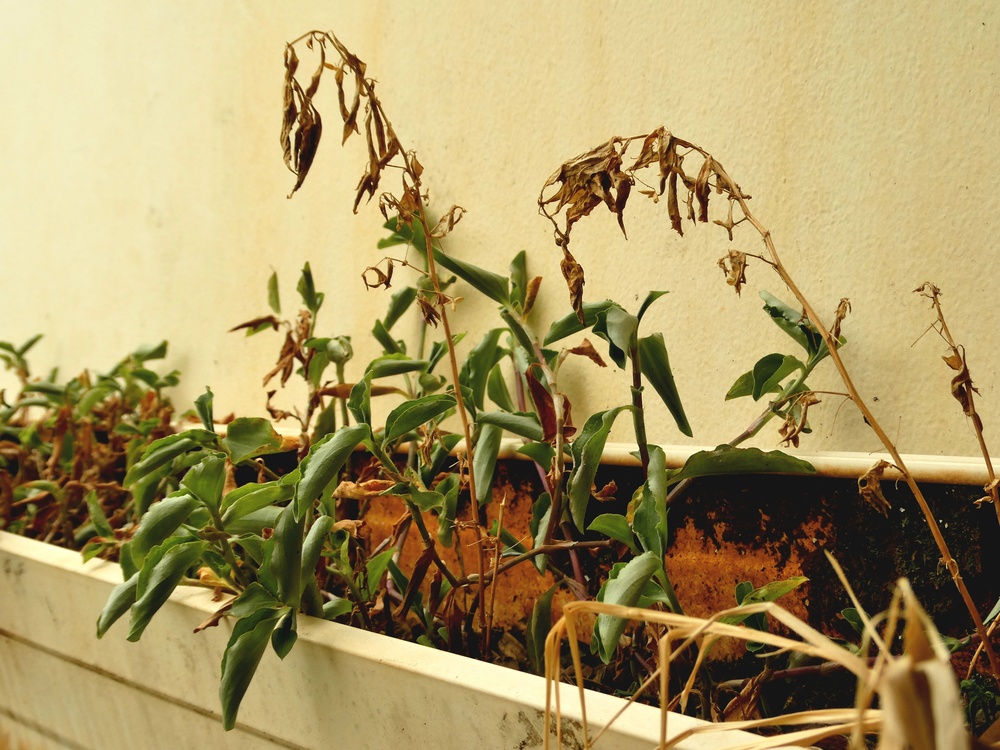
By September, plenty of gardens look like they’re ready for the trash pile: brown bean vines, crispy flower stalks, exhausted tomato plants, and annuals that have clearly seen better days. Before you yank everything out and fill the yard-waste bin, however, take a closer look because some of those dead garden plants could reduce what you spend next spring. Seeds can become next year’s vegetables and flowers, healthy plant debris can become compost, and some plants we casually call “annuals” can actually survive indoors until warm weather returns. University Extension experts routinely recommend several of these techniques, and none requires an expensive greenhouse or professional propagation setup. The trick is knowing which supposedly finished plants are assets—and which ones really do belong in the trash.
Save Seeds From the Right Vegetable Plants
That dried-up bean plant may contain something you’d otherwise pay for next spring: next year’s seed. The University of Minnesota identifies tomatoes, peppers, beans, and peas as particularly good choices for home seed saving because they’re self-pollinating and their seeds require relatively little special treatment before storage. Open-pollinated varieties are the best candidates because their offspring generally resemble the parent plants, while seeds collected from hybrids can produce unpredictable results. Select seeds from vigorous, healthy plants that produced fruit you actually liked rather than indiscriminately saving everything left in the garden. A few envelopes of properly collected seed from dead garden plants could eliminate several seed-packet purchases when planting season arrives.
Let Some Flowers Give You Next Year’s Garden for Free
Spent flowers can be surprisingly valuable when their dried seed heads contain dozens or even hundreds of potential plants. Illinois Extension notes that flowers including cleome, snapdragons, cosmos, and amaranth can produce enough seed that some drops to the ground, survives winter, and emerges the following spring. You can also deliberately collect mature seeds from appropriate open-pollinated flowers, dry them thoroughly, label them, and store them somewhere cool and dry until planting time. This is especially worthwhile when you’ve found a vigorous flower that performs exceptionally well in your particular soil and growing conditions. Instead of spending another $20 or $30 filling the same flower bed next spring, you may already be holding much of your future garden in those ugly brown seed heads.
Some “Dead Soon” Annuals Aren’t Really Annuals
Geraniums, coleus, begonias, lantana, and several other plants commonly sold as annuals are actually tender perennials that simply can’t survive freezing winters outdoors in colder climates. Some of these plants can be dug up and brought indoors, while cuttings offer another method of preserving them for the following growing season. Geraniums are particularly flexible because they can be maintained as houseplants, stored dormant as bare-root plants, or propagated from cuttings. That $8 or $12 plant you were preparing to replace next May might therefore be worth rescuing before frost finishes it. The important word is before—once tender dead garden plants have been destroyed by a hard freeze, your propagation opportunities become much more limited.
Take Cuttings Instead of Storing Giant Plants
Dragging an enormous patio planter into the living room isn’t particularly appealing, especially when space and winter sunlight are limited. A better money-saving option for some plants is taking small cuttings before cold weather arrives and growing those indoors instead. Consider cuttings from plants such as impatiens, coleus, geraniums, and begonias when preparing for the next year’s garden. For geraniums, for example, Extension recommends taking roughly 3- to 4-inch terminal cuttings, removing the lower leaves, and placing them in suitable rooting media, where rooting may take four to eight weeks. A windowsill or grow-light shelf containing several small propagated plants takes considerably less space than overwintering several mature containers and can supply fresh transplants when spring arrives.
Healthy Dead Plants Can Become Free Compost
Even a plant you can’t propagate may still have financial value because healthy garden debris contains organic material that can be recycled into compost. The University of Minnesota specifically notes that home composting keeps nutrients and soil-building materials in the garden and can save money for gardeners who would otherwise purchase compost. That means healthy spent vegetable vines, leaves, stems, and other appropriate material aren’t necessarily garbage simply because their productive season has ended. Turn them into finished compost and some of this year’s garden can literally become part of the soil feeding next year’s plants. For gardeners who routinely purchase multiple bags of compost or soil amendments, recycling healthy dead garden plants makes particularly good financial sense.
Don’t Compost Plants That Died From Disease
This is the exception that can save considerably more money than squeezing another bag of compost from your fall cleanup. University of Minnesota Extension warns gardeners not to put diseased plant material into typical home compost piles because they may not remain hot enough for long enough to destroy many plant pathogens. Extension specialists instead recommend putting diseased material into an appropriate yard-waste system that sends it to a facility with controlled composting temperatures, where available. If your tomatoes were devastated by disease, for example, treating every stem and leaf as valuable compost material could help carry a problem into another gardening season. When you’re unsure why a plant died, identify the problem before deciding that recycling it is worth the risk.
Sometimes Leaving Dead Stems Alone Has Value Too
Saving money doesn’t necessarily mean every useful dead plant has to be collected, cut, propagated, or composted immediately. Penn State recommends considering leaving many perennial flower stalks standing through winter because native pollinators can overwinter in hollow stems and seed heads can provide food for birds. Healthy fallen leaves and plant debris can similarly provide winter habitat, although diseased material should be removed rather than deliberately left in place. A less aggressive fall cleanup can therefore save labor while supporting some of the insects and wildlife that contribute to a functioning garden ecosystem. The cheapest fall gardening chore may occasionally be the one you decide doesn’t need doing until spring.
Turn This Year’s Garden Into Next Year’s Supply Cabinet
Before clearing dead garden plants, sort them into categories instead of treating the entire garden as one giant pile of waste. Save mature seed from appropriate open-pollinated plants, take cuttings from healthy tender perennials, move worthwhile plants indoors, compost healthy debris, and leave selected healthy perennial stems standing where winter wildlife can use them. At the same time, be ruthless about removing diseased material because saving a few dollars isn’t worthwhile if you’re preserving pathogens alongside your seeds and compost. A gardener who saves even five packets’ worth of seed, propagates four $8 plants, and produces a couple of bags’ worth of usable compost can easily carry meaningful value from one growing season into the next.
What plants from your garden do you save, propagate, or reuse instead of buying them again every spring? Share your best money-saving trick in the comments.
What to Read Next
Never Burn This Plant When Cleaning Up the Yard — Even If It Looks Dead
Don’t Throw Away Those Dead Flower Heads — They Could Save You Money Next Spring
That “Dead” Garden Plant May Be Better Left Alone Until Spring
Leave a Reply