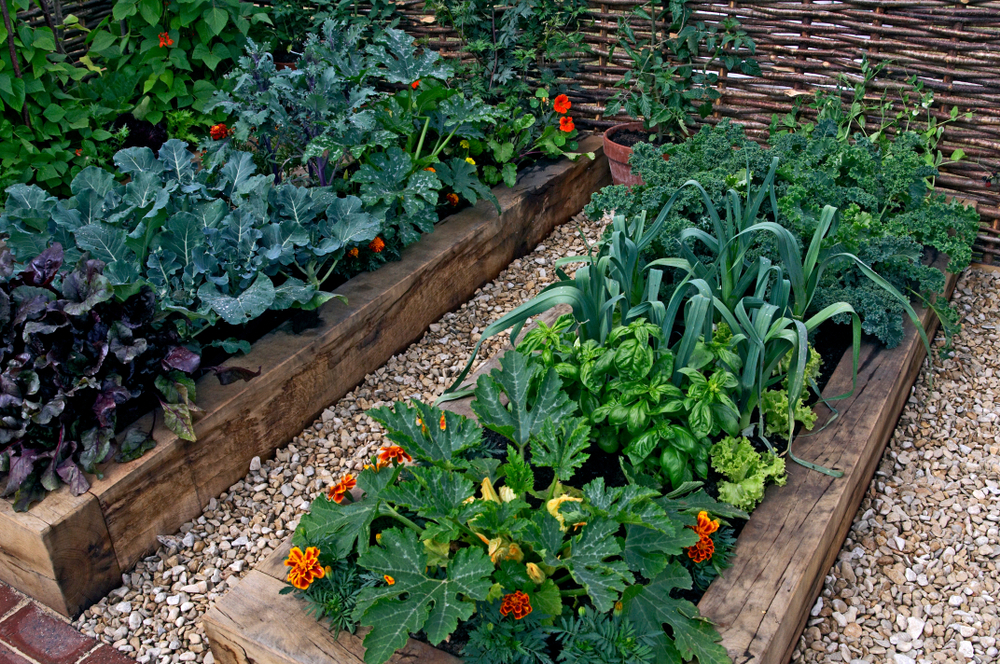
A small garden does not mean a small harvest. The right vegetables can turn a tiny backyard bed, patio container, or sunny corner into a surprisingly productive food-growing space. Choosing crops that keep producing, grow vertically, or deliver multiple harvests can help gardeners squeeze more value out of every square foot.
Some vegetables simply earn their spot in the garden better than others. A sprawling plant that produces one meal might not deserve precious space when a compact crop can provide fresh harvests for weeks. These ten vegetables bring excellent returns for small gardens because they offer generous yields, practical uses in the kitchen, and smart ways to maximize limited growing areas.
1. Lettuce Packs Plenty of Harvests Into Small Spaces
Lettuce remains one of the easiest vegetables for gardeners who want a quick and continuous supply of fresh greens. Loose-leaf varieties work especially well in small spaces because gardeners can harvest outer leaves while allowing the plant to continue producing new growth. A small container or raised bed can provide multiple salad harvests throughout the growing season.
Timing also makes lettuce a small garden superstar. It grows well in cooler weather, allowing gardeners to plant it in spring and fall when some warm-season crops struggle. Succession planting, which means sowing small amounts every couple of weeks, keeps fresh leaves coming instead of creating one giant lettuce harvest all at once.
2. Tomatoes Deliver Big Flavor From Limited Garden Space
Tomatoes earn their place in small gardens because a single healthy plant can provide a generous supply of fresh fruit. Compact varieties, cherry tomatoes, and plants grown vertically with cages or supports make better use of tight spaces than sprawling varieties left to wander across the ground.
Many gardeners make the mistake of planting too many tomato plants and creating a jungle of tangled stems. A few well-supported plants often produce more usable tomatoes than a crowded bed where airflow suffers. Regular watering, proper sunlight, and attention to pests such as tomato hornworms can help plants stay productive throughout the season.
3. Green Beans Keep Producing With Minimal Space
Green beans offer one of the best bargains for small gardens because they grow quickly and reward regular harvesting. Bush beans stay compact, while pole beans climb upward and take advantage of vertical space that often goes unused. A trellis can transform a narrow garden strip into a productive bean-growing area.
The secret with beans comes down to picking. Harvesting pods frequently encourages the plant to continue producing instead of slowing down. Fresh beans also freeze well, making them a practical choice for gardeners who want to preserve part of the harvest for later meals.
4. Radishes Are Speedy Crops With a Small Footprint
Radishes might be the garden equivalent of a quick snack because they move from seed to harvest much faster than many other vegetables. Their short growing period allows gardeners to plant multiple rounds in the same space during a season. They also work well tucked between slower-growing crops.
Beyond their roots, radishes offer another bonus. Their leafy tops can become a useful addition to compost piles, and some gardeners use young leaves in cooked dishes. For anyone trying to maximize output from a small garden, radishes deliver results without demanding much room.
5. Peppers Provide Long Harvest Seasons
Pepper plants are compact, attractive, and surprisingly productive when given the right conditions. Sweet peppers and hot peppers both work well in containers, raised beds, and small garden plots with plenty of sunlight. Their upright growth habit makes them efficient space users.
Many pepper varieties continue producing after the first harvest, which gives gardeners fresh peppers for cooking over a long stretch of the season. Choosing varieties suited to the local climate also improves results because peppers prefer warm temperatures and consistent care.
6. Kale Keeps Giving After Other Crops Slow Down
Kale has earned a reputation as a dependable garden vegetable because it tolerates cooler temperatures and provides repeated harvests. Instead of pulling up the entire plant, gardeners can remove outer leaves and allow the center to keep growing.
This makes kale especially valuable in smaller gardens where every plant needs to work harder. It also offers flexibility because gardeners can use it in salads, soups, smoothies, and cooked dishes. A few plants can provide a steady supply without taking over the entire garden.
7. Cucumbers Make Great Use of Vertical Growing
Cucumbers can take up a surprising amount of ground space, but a trellis changes the game. Training cucumber vines upward keeps pathways clear and allows gardeners to grow more food in a smaller area. The climbing habit also helps keep fruits cleaner and easier to find during harvest.
Small-space gardeners should look for compact cucumber varieties designed for containers or trellising. Regular harvesting encourages continued production, and keeping plants well-watered helps prevent bitter-tasting fruits.
8. Carrots Offer Underground Rewards in Small Areas
Carrots fit beautifully into small gardens because they do not need much surface space. Deep containers or loose soil allow roots to develop properly, making them a great option for patios and raised beds.
Gardeners can also grow shorter carrot varieties in areas where deeper soil is unavailable. They require patience compared with fast-growing crops, but the reward comes from pulling fresh carrots straight from the garden when they reach the right size.
9. Zucchini Can Produce an Impressive Harvest From One Plant
Zucchini plants have a reputation for generosity, sometimes producing more squash than a family can use. One or two plants often provide plenty of summer harvests, making them valuable for gardeners who have room for their broad leaves.
Because zucchini plants spread, smart placement matters. Giving them enough space prevents overcrowding and improves airflow. Harvesting smaller fruits frequently also encourages the plant to keep producing tender squash.
10. Herbs and Greens Add Extra Value Around Vegetable Crops
Although not always considered traditional vegetables, leafy herbs and cooking greens provide tremendous value in small gardens. Basil, parsley, cilantro, and similar crops fit easily into containers or gaps between larger plants. They add fresh flavor without requiring much space.
Small gardens benefit from crops that offer frequent harvesting, and herbs excel at that job. A handful of fresh leaves can transform everyday meals, making these plants a practical addition alongside larger vegetable crops.
Small Gardens Win With Smart Plant Choices
The best small gardens focus on productivity rather than size. A carefully planned space filled with high-value crops can provide fresh vegetables, cooking ingredients, and plenty of gardening satisfaction without requiring a huge backyard. Choosing plants that produce repeatedly, grow vertically, or mature quickly helps every corner of the garden earn its keep.
A successful small garden does not need dozens of different crops competing for attention. A thoughtful mix of reliable vegetables, good soil preparation, proper watering, and regular harvesting can create an impressive harvest from even a modest growing area.
Which vegetable has given your small garden the biggest harvest, and which crop would you recommend other gardeners try?
You May Also Like…
7 Vegetables That Give You the Biggest Harvest for the Money
8 Vegetables That Produce More Than Most People Expect
10 Backyard Gardening Trends Taking Over Summer 2026
The Secret to a Non-Stop Summer Harvest? These 7 Vegetables
7 Tiny Fence Fixes That Keep Snow From Destroying Panels

Brandon Marcus is a staff writer for FrugalGardening.com at District Media, Inc., where he delivers practical gardening advice with a relatable, no-nonsense style. An avid amateur gardener, he holds a BA degree and with over ten years of professional writing experience, he is also an award-winning published author whose first book, Questions For Deep Thinkers, was released by Adams Media. His work has appeared in major publications including Fandom.com, CHUD.com, TheColdWire.com, and Fansided.com.
Leave a Reply