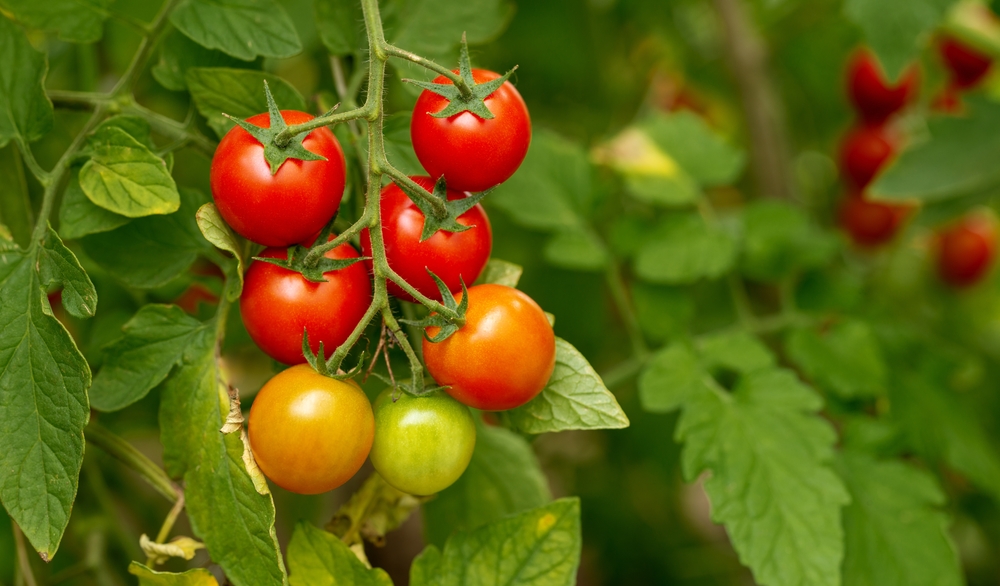
Tomato plants have a reputation for being garden favorites, but they can be surprisingly dramatic behind the scenes. One day they look lush and green, and the next they start dropping leaves or refusing to set fruit. The tricky part is that the real problems often hide in plain sight, blending into normal garden routines. Small mistakes in watering, spacing, or even weather timing can quietly pile up stress on these plants.
Once stress builds, tomatoes stop focusing on fruit and start focusing on survival, which is never good news for harvest season. The great news here is that most of these stressors are easy to spot once they are pointed out.
1. Inconsistent Watering Habits That Confuse Roots
Tomatoes dislike guessing games when it comes to water, yet many gardens unintentionally create exactly that situation. One day the soil feels like a sponge, and the next it turns dry and cracked, forcing roots to constantly adjust. This back-and-forth rhythm stresses the plant and leads to problems like split fruit or weak growth. Roots perform best when moisture stays steady and predictable rather than swinging between extremes. A simple shift toward deep, regular watering helps the plant settle into a calmer routine.
Even mulch can play a major role in smoothing out moisture swings, especially during hot weeks. When soil stays evenly damp, roots can focus on nutrient uptake instead of survival mode. A watering schedule that adjusts with weather conditions keeps the plant far more comfortable. Many gardeners notice stronger stems and healthier leaves within days of stabilizing their watering habits. Consistency always wins over intensity when it comes to tomatoes.
2. Heat Spikes That Push Plants Past Their Comfort Zone
Tomatoes love warmth, but they draw the line at extreme heat that pushes them into stress mode. Once temperatures climb too high, pollen can lose viability, and flowers may drop before forming fruit. Leaves often curl or wilt in the afternoon sun, even when soil moisture looks fine. This reaction signals that the plant is trying to conserve energy and reduce water loss. Shade cloth or afternoon protection can make a dramatic difference during heat waves.
Air circulation also matters more than many gardeners expect during hot spells. Stagnant air traps heat around leaves and makes conditions even more uncomfortable. Strategic pruning helps open up the plant and allows breezes to pass through. Cooler nighttime recovery gives tomatoes a chance to reset after intense daytime exposure. Without relief from heat spikes, fruit production often slows to a crawl.
3. Pollination Problems That Quietly Stop Fruit Formation
Tomato flowers need a bit of movement to release pollen, yet many gardens stay too still for that process to happen efficiently. Wind, bees, or even gentle shaking usually trigger successful pollination. When conditions stay calm for too long, flowers bloom and fade without producing fruit. This creates confusion because the plant looks healthy but never delivers tomatoes. A simple shake of the plant in the morning can help simulate natural movement.
Humidity levels also influence pollination success more than most people realize. Very high humidity causes pollen to clump, while very dry air prevents it from sticking properly. Both conditions reduce fruit set even when flowers appear abundant. Gardeners often improve results by lightly tapping flower clusters or encouraging pollinator visits. Once pollination improves, fruit production usually rebounds quickly.
4. Nutrient Imbalances That Throw Growth Off Balance
Tomatoes require a steady supply of nutrients, but too much of a good thing can cause just as many problems as too little. Excess nitrogen often leads to lush green leaves with very few flowers. On the other hand, low potassium can weaken fruit development and reduce flavor quality. These imbalances create a plant that looks active but produces disappointing results. Balanced fertilizer choices help restore harmony in growth patterns.
Soil testing can reveal hidden deficiencies that visual inspection might miss. Many gardeners rely on guesswork, which often leads to overfeeding or underfeeding. Organic compost additions help stabilize nutrient levels over time. When nutrients stay balanced, the plant distributes energy more evenly between leaves, roots, and fruit. Strong harvests always begin with steady soil nutrition.
5. Overcrowding That Limits Airflow and Light
Tomato plants need personal space, even if the garden bed feels tight. When plants grow too close together, they compete for sunlight and restrict airflow. This crowding creates humid pockets that encourage disease and slow overall growth. Lower leaves often yellow first because they receive less light and air circulation. Proper spacing allows each plant to stretch without competition.
Pruning lower branches improves airflow and reduces the risk of fungal issues. Gardeners sometimes hesitate to remove growth, but selective trimming strengthens the entire plant. Sunlight reaching all parts of the plant supports better energy production. Good spacing also makes harvesting easier and more enjoyable. A little breathing room goes a long way toward healthier tomatoes.
6. Pest Pressure That Drains Plant Energy
Insects rarely attack tomatoes all at once, but small infestations still drain energy over time. Aphids, whiteflies, and hornworms feed on leaves and stems, forcing the plant to divert resources toward repair. Early signs often appear as curled leaves, tiny holes, or sticky residue. These subtle clues can easily go unnoticed until damage becomes widespread. Regular inspection keeps pest issues under control before they escalate.
Natural predators like ladybugs help restore balance in the garden ecosystem. Neem oil and insecticidal soap also offer targeted control without overwhelming the plant. Healthy plants resist pests better, but stressed plants attract more attention from them. Acting early prevents long-term damage to both foliage and fruit production. Vigilance keeps tomato plants focused on growing rather than recovering.
7. Transplant Shock That Lingers Longer Than Expected
Tomatoes often experience stress when moved from indoor containers to outdoor soil. Roots need time to adjust to new conditions, and that transition can temporarily stall growth. Leaves may droop, and growth may slow even when care remains consistent. This phase often surprises gardeners who expect immediate progress. Patience during this stage makes a major difference in recovery speed.
Hardening off seedlings before transplanting helps reduce shock significantly. Gradual exposure to outdoor conditions prepares the plant for temperature and light changes. Deep watering after transplanting supports root establishment in new soil. Once the plant settles in, growth usually rebounds with surprising strength. Smooth transitions create stronger plants in the long run.
The Hidden Stress Signals That Shape Tomato Success
Tomato plants communicate stress in subtle ways long before they stop producing fruit. Yellowing leaves, dropped blossoms, or slowed growth all signal that something in the environment feels off. Paying attention to these signals helps correct problems early and prevents long-term setbacks. Most stress factors come from everyday gardening habits rather than major mistakes. Small adjustments in care routines often unlock healthier growth and better harvests.
Every season offers clues that help improve the next one. What stress signals have shown up in your tomato plants this year?
You May Also Like…
7 Signs Your Tomato Plants Are in Serious Trouble
Why Your Tomatoes Look Healthy But Produce Almost No Fruit
7 Vegetables You Should Start Planting Before July Hits
The Vegetable Gardening Trick That Works Surprisingly Well During Droughts
8 Vegetables That Grow Surprisingly Well in Containers

Brandon Marcus is a staff writer for FrugalGardening.com at District Media, Inc., where he delivers practical gardening advice with a relatable, no-nonsense style. An avid amateur gardener, he holds a BA degree and with over ten years of professional writing experience, he is also an award-winning published author whose first book, Questions For Deep Thinkers, was released by Adams Media. His work has appeared in major publications including Fandom.com, CHUD.com, TheColdWire.com, and Fansided.com.
Leave a Reply