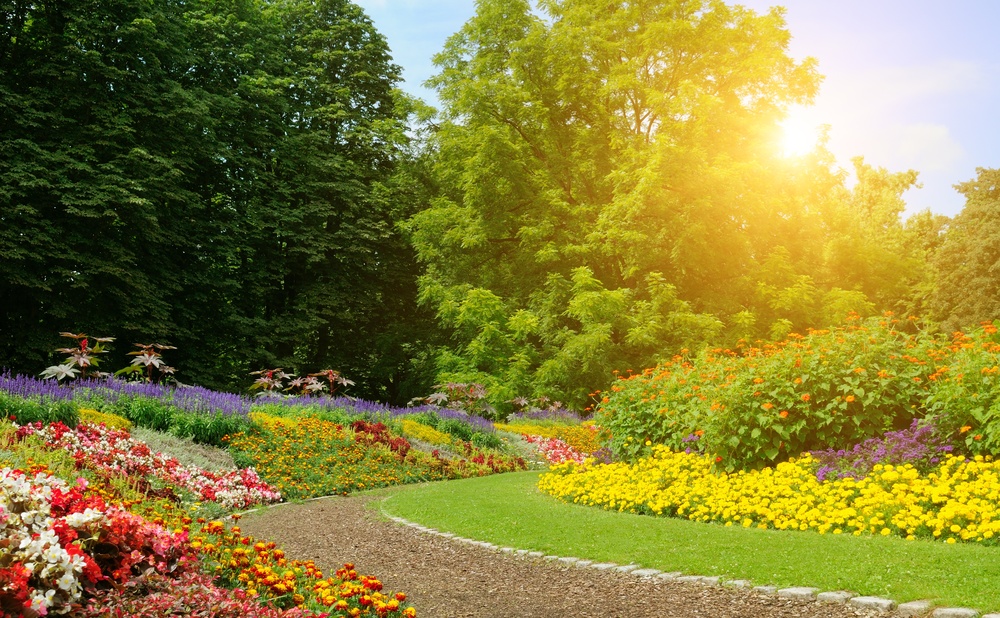
When summer turns into a full-on heat test, many gardens start to look tired, wilted, and ready to give up. Some flowers curl up at the first sign of intense sun, while others seem to laugh at scorching afternoons. These heat-loving blooms bring color, life, and energy right when landscapes need it most. Gardeners often rely on them to keep beds vibrant without constant watering or rescue missions. The best part is how many of these flowers actually prefer hot weather over cooler conditions.
Heat-tolerant flowers also simplify summer gardening in a big way. Instead of constantly worrying about shade, timing, or daily watering routines, these plants push forward through dry spells and bright sun. Many of them evolved in regions where heat dominates the climate, so they know exactly how to handle tough conditions.
1. Zinnias Bring Bold Color Without Complaints About Heat
Zinnias stand out as one of the most dependable heat-loving flowers in any summer garden. They produce bold blooms in reds, pinks, oranges, and yellows that stay bright even during long stretches of hot weather. These flowers love full sun and respond quickly when planted in warm soil. Many gardeners appreciate how fast zinnias grow from seed to bloom, often showing color within weeks. Their upright stems also make them excellent for cutting gardens and summer bouquets.
Zinnias handle dry conditions better than many common flowers once established. They do best with deep but infrequent watering that encourages strong root growth. Overwatering can actually cause more problems than heat for these plants. Deadheading spent blooms keeps them producing new flowers throughout the season. In many gardens, zinnias become the centerpiece of summer beds because they refuse to quit when temperatures rise.
2. Lantana Keeps Blooming Through Heat Waves Like It Enjoys Them
Lantana brings clusters of small, vibrant flowers that often change color as they mature. This creates a mix of shades on a single plant, which adds extra visual interest to garden beds. Heat only seems to boost lantana’s performance, especially in sunny locations. Pollinators like butterflies and bees flock to it, making it both decorative and ecologically valuable. It works especially well in containers, borders, and hanging baskets.
Once lantana settles into the soil, it requires very little attention. It handles dry spells with ease and prefers soil that drains well. Gardeners often place it in areas that receive the hottest afternoon sun because it performs better there than in shade. Light pruning encourages more blooms and helps keep its shape tidy. Lantana often becomes a go-to plant for hot climates because it rarely slows down during peak summer heat.
3. Marigolds Deliver Reliable Color in Intense Sunlight
Marigolds remain a classic garden favorite because they handle heat without hesitation. Their rich gold, orange, and red tones brighten up vegetable gardens and flower beds alike. Many gardeners plant them near vegetables because they can help deter certain pests. Their strong scent and dense blooms create a natural protective edge around garden spaces. They also germinate easily, which makes them beginner-friendly.
Marigolds prefer full sun and warm soil, which makes them perfect for summer planting. They do not demand much care beyond occasional watering and deadheading. Dry conditions rarely stop them from producing new blooms. Their compact size allows them to fit into almost any garden layout. Even in extreme heat, marigolds continue to add cheerful color when other plants struggle.
4. Portulaca Turns Dry, Hot Spaces Into Living Color Carpets
Portulaca, often called moss rose, thrives in dry, sandy soil where many plants fail. Its succulent-like leaves store water, helping it survive long stretches of heat. The flowers open fully in bright sunlight and come in vivid shades like pink, yellow, and orange. This plant spreads low across the ground, creating a colorful carpet effect in garden beds or containers. It often becomes a favorite for edging paths or filling rock gardens.
Portulaca performs best with minimal intervention once planted. It prefers dry conditions and can struggle if overwatered. Full sun encourages the most vibrant blooms and healthiest growth. Gardeners often appreciate how little maintenance it requires during the hottest months. Its ability to handle extreme conditions makes it a standout choice for difficult garden spots.
5. Vinca Keeps Flowering Even When Heat Becomes Relentless
Vinca, also known as periwinkle, handles heat and humidity with impressive resilience. Its glossy green leaves and bright flowers in pink, white, and red stay attractive throughout the summer. Unlike many flowers, vinca does not slow down when temperatures climb. It continues producing blooms steadily as long as it receives sunlight. This consistency makes it a reliable choice for long-lasting color.
Vinca prefers well-drained soil and does not tolerate soggy roots. Once established, it requires very little attention beyond occasional watering. Gardeners often use it in borders, mass plantings, or containers. It performs especially well in areas where other flowers fade under heat stress. Its steady blooming habit keeps gardens looking full and lively even in peak summer conditions.
6. Gaillardia Brings Fire-Like Blooms That Love Heat
Gaillardia, often called blanket flower, produces fiery red, orange, and yellow blooms that seem designed for hot weather. These flowers naturally grow in dry, sunny regions, which explains their strong heat tolerance. Their daisy-like shape adds a wild, natural look to garden beds. They also attract pollinators, which helps support garden ecosystems. Their long blooming season keeps color going from early summer into fall.
Gaillardia thrives in poor to average soil, which surprises many gardeners. Too much fertilizer can actually reduce flowering. It prefers full sun and handles drought conditions with ease. Deadheading encourages more blooms and extends its display. These plants often become a staple in low-maintenance summer gardens.
7. Salvia Stands Strong in Scorching Afternoon Sun
Salvia produces tall spikes of purple, red, or blue flowers that hold up well in heat. These plants attract hummingbirds and bees, adding movement and life to garden spaces. Their aromatic foliage also helps deter some pests naturally. Salvia performs best in full sun and well-drained soil. It maintains its structure and color even during extended heat waves.
Once established, salvia needs minimal watering and care. Cutting back spent flower spikes encourages fresh growth and additional blooms. Gardeners often use it in borders or mixed perennial beds. Its upright shape adds height and structure to garden designs. Salvia remains a dependable performer in hot climates.
8. Cosmos Offers Airy Blooms That Handle Summer Heat Easily
Cosmos produces delicate, daisy-like flowers that sway easily in warm breezes. Despite their soft appearance, these plants handle heat surprisingly well. Their feathery foliage and tall stems create a light, airy garden effect. Colors range from white and pink to deep magenta. They often reseed themselves, creating natural return blooms each year.
Cosmos grows best in full sun and poor to average soil. Rich soil can lead to more leaves than flowers, so lean conditions work better. These plants require minimal watering once established. Deadheading can extend blooming, but many gardeners let them self-seed. Their effortless charm makes them a favorite for informal garden spaces.
9. Pentas Delivers Constant Color During Hot Weather
Pentas produces clusters of star-shaped flowers that bloom continuously in warm conditions. These plants attract butterflies and hummingbirds throughout the season. Their vibrant colors include red, pink, lavender, and white. Pentas handles heat and humidity with ease, making it ideal for summer gardens. It works well in containers and landscape beds.
Pentas prefers full sun but tolerates partial shade in extremely hot climates. Regular watering helps maintain steady growth, especially in containers. Light pruning encourages fuller plants and more blooms. It responds well to warm temperatures and rarely slows down during peak summer. Gardeners often rely on pentas for consistent seasonal color.
10. Sunflowers Stand Tall and Strong Under Intense Heat
Sunflowers are built for heat and bright sunlight from the start. Their large blooms track the sun and bring bold presence to any garden. These plants grow quickly and create dramatic vertical interest. They come in a range of sizes, from towering giants to compact varieties. Birds often visit them for seeds, adding extra life to the garden.
Sunflowers need full sun and well-drained soil to perform at their best. They handle dry spells once established, though young plants need regular watering. Their sturdy stems help them withstand hot, windy conditions. Many gardeners use them as natural screens or focal points. Sunflowers remain one of the most iconic heat-loving flowers in summer landscapes.
A Heat-Resistant Garden That Never Runs Out of Color
These heat-loving flowers turn tough summer conditions into an opportunity for bold color and steady blooms. Each plant brings its own personality, from the fiery tones of gaillardia to the soft movement of cosmos and the towering presence of sunflowers. Gardeners who choose these varieties gain a landscape that keeps performing even when temperatures climb. Smart plant selection reduces stress, saves water, and keeps outdoor spaces visually exciting all season long. Heat does not need to signal the end of beauty in the garden when the right flowers take center stage.
What heat-tolerant flowers have surprised you the most in your garden this summer? Let’s chat about it before the thermometer shoots up!
You May Also Like…
10 Plants That Can Survive Brutal Southern Summers
8 Heat-Tolerant Flowers That Bloom All Summer Long
The 7 Most Heat-Tolerant Plants for Busy Gardeners
9 Backyard Projects That Make Summer More Enjoyable Without Spending Much
7 Gardening Habits That Waste Money Every Summer

Brandon Marcus is a staff writer for FrugalGardening.com at District Media, Inc., where he delivers practical gardening advice with a relatable, no-nonsense style. An avid amateur gardener, he holds a BA degree and with over ten years of professional writing experience, he is also an award-winning published author whose first book, Questions For Deep Thinkers, was released by Adams Media. His work has appeared in major publications including Fandom.com, CHUD.com, TheColdWire.com, and Fansided.com.
Leave a Reply