Fresh herbs, crisp greens, and juicy tomatoes don’t belong exclusively to sprawling backyards. A small balcony can transform into a productive mini-garden with the right setup and a modest budget. Apartment dwellers often assume gardening costs too much or demands too much space, but a clever $20 plan proves otherwise.
With a few strategic choices, even the tiniest outdoor nook can produce a steady stream of homegrown food. Our guide will break down exactly how to build a thriving balcony garden without draining your wallet.
Start with Smart Containers That Stretch Every Dollar
Plastic storage bins, repurposed buckets, and even sturdy takeout containers can double as plant pots when drainage holes get added. Many dollar stores carry basic planters for under $3, making it easy to assemble a full container lineup without overspending. Lightweight containers work best for balconies because they won’t strain weight limits or make rearranging difficult. Deep containers support root vegetables and tomatoes, while shallow ones suit herbs and leafy greens perfectly. A mix of container sizes maximizes space and lets each plant thrive in its ideal environment.
Creative reuse saves money and adds personality to the setup, especially when containers get painted or labeled for easy organization. Matching aesthetics matter less than proper drainage and durability, so function should always come first. Grouping containers together also helps retain moisture and creates a microclimate that benefits plant growth. Even a narrow railing can hold small pots with the right brackets or hooks. With a little ingenuity, containers become the backbone of a productive balcony garden.
Choose High-Yield Plants That Deliver Big Results Fast
Leafy greens like lettuce and spinach grow quickly and allow multiple harvests, making them perfect for small spaces. Herbs such as basil, mint, and cilantro thrive in containers and reduce grocery bills almost immediately. Cherry tomatoes and peppers produce heavily in compact setups, offering impressive yields for minimal effort. Selecting plants known for productivity ensures every inch of space contributes to the harvest. Fast-growing varieties also keep motivation high by delivering visible results within weeks.
Seed packets often cost less than $2 and provide dozens of plants, making them one of the best bargains in gardening. Starter plants cost slightly more but offer a head start for beginners who want quicker success. Mixing both seeds and starters balances cost and convenience effectively. Staggered planting keeps the harvest coming instead of arriving all at once. A thoughtful plant selection turns a small balcony into a surprisingly abundant food source.
Build a Budget Soil Mix That Fuels Strong Growth
Quality soil makes the difference between struggling plants and a thriving garden, but it doesn’t need to cost a fortune. A simple blend of potting soil, compost, and a moisture-retaining material like coconut coir creates an ideal growing medium. Many garden centers sell small bags that fit comfortably within a tight budget. Nutrient-rich soil supports healthy roots, which directly impacts plant productivity and flavor. Skimping on soil often leads to weak growth, so this remains the one area worth prioritizing.
Compost can sometimes be sourced for free through local community programs or neighbors who garden. Mixing soil at home stretches supplies further and allows customization based on plant needs. Good drainage prevents root rot, especially in containers exposed to frequent watering. Regularly refreshing the top layer of soil keeps nutrients available throughout the growing season. Investing wisely in soil ensures the entire $20 setup delivers maximum returns.
Maximize Sunlight and Water Without Wasting Resources
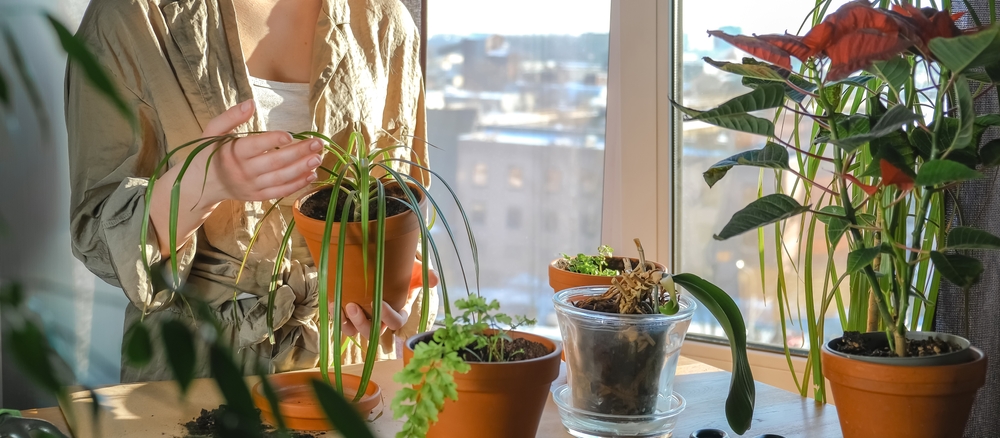
Most edible plants need at least six hours of sunlight daily, so positioning containers becomes critical. South-facing balconies typically offer the best exposure, but east- and west-facing spaces can still support productive gardens. Rotating pots every few days ensures even growth and prevents plants from leaning toward the light. Reflective surfaces like light-colored walls or foil panels can boost sunlight in shaded areas. Smart placement often matters more than expensive equipment when it comes to plant health.
Watering efficiently keeps plants hydrated without driving up utility costs or causing overwatering issues. Early morning watering reduces evaporation and helps plants absorb moisture effectively. Self-watering containers or simple drip setups made from recycled bottles stretch water usage even further. Checking soil moisture with a finger prevents guesswork and keeps plants in optimal condition. Consistent care turns a budget garden into a reliable source of fresh produce.
Turn a Tiny Balcony into a Consistent Harvest Machine
A $20 setup proves that gardening success depends more on strategy than spending power. Consistent harvesting encourages plants to keep producing, especially herbs and leafy greens. Small, frequent trims often yield more food over time than waiting for a single large harvest. Paying attention to plant health and adjusting care routines ensures steady growth throughout the season. Even beginners can achieve impressive results with a little observation and persistence.
Balcony gardening also delivers benefits beyond fresh food, including stress relief and a stronger connection to daily meals. Watching plants grow creates a sense of accomplishment that store-bought produce can’t match. Over time, gardeners often expand their setups using savings from reduced grocery bills. What starts as a $20 experiment can evolve into a long-term, cost-saving habit. A simple balcony can truly become a dependable, edible oasis.
What would you grow first if you turned your balcony into a mini garden? Share your plans or favorite plants in the comments.
You May Also Like…
The Stealth Garden: How to Grow Food in an Apartment Without Anyone Noticing
Tiny Space, Big Dreams: 16 Genius Decorating Tips for Small Apartments
The 30-Day Harvest: Fast Crops That Put Food on the Table by Next Month
Rental Friendly Gardening: 5 Ways to Grow Food Without Losing Your Deposit
Vertical Veggies: Growing a Massive Harvest in Less Than 2 Square Feet

Brandon Marcus is a staff writer for FrugalGardening.com at District Media, Inc., where he delivers practical gardening advice with a relatable, no-nonsense style. An avid amateur gardener, he holds a BA degree and with over ten years of professional writing experience, he is also an award-winning published author whose first book, Questions For Deep Thinkers, was released by Adams Media. His work has appeared in major publications including Fandom.com, CHUD.com, TheColdWire.com, and Fansided.com.
Leave a Reply