Winter does not politely test your vertical garden. It exposes weaknesses, punishes poor plant choices, and turns lush green walls into brittle tangles almost overnight. If you grow upward instead of outward, you face a different set of cold-weather challenges, and some of the most popular vertical plants simply cannot handle them.
Vertical gardens amplify winter stress. Roots sit above ground in containers or shallow pockets, which means cold air surrounds them from every direction. Soil temperatures drop faster than they would in the ground, and wind strips moisture from leaves at a shocking rate. When gardeners choose plants for fast coverage and dramatic impact without checking hardiness zones or winter performance, disappointment arrives quickly.
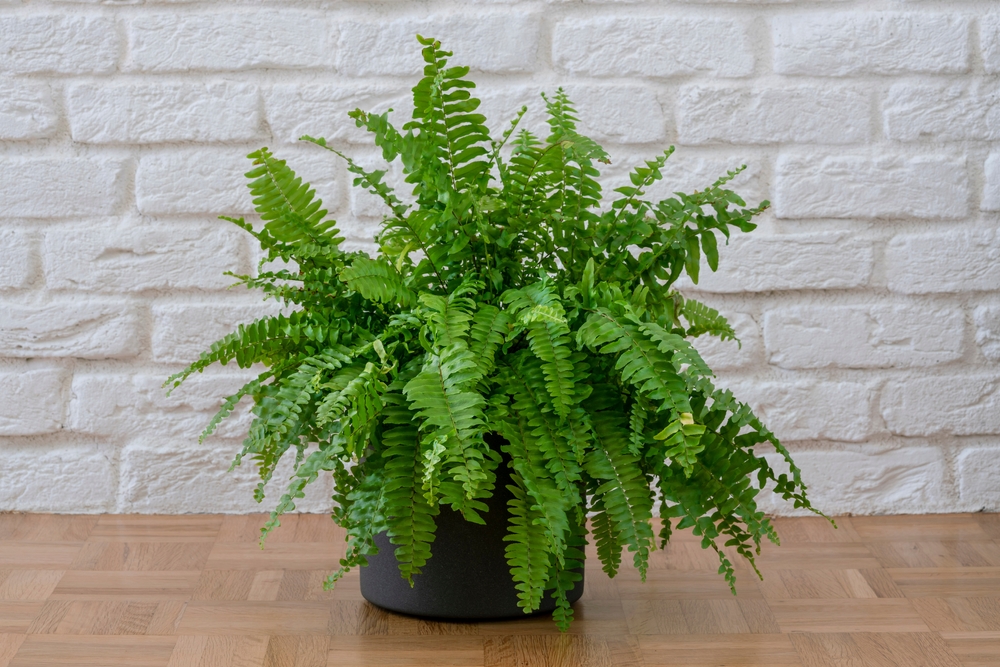
Boston Ferns Collapse in Cold Air
The lush fronds of Boston fern create dramatic texture in vertical gardens, and many gardeners hang them along walls for that cascading jungle effect. Unfortunately, Boston ferns prefer temperatures between 60 and 75 degrees Fahrenheit and suffer when temperatures fall below 50 degrees.
Cold exposure causes fronds to brown rapidly, and a single frost event can kill the entire plant. In vertical installations, wind exposure worsens the situation, since air circulates freely around hanging containers and pulls moisture from delicate foliage.
If you want to keep Boston ferns healthy through winter in colder climates, move them indoors well before the first frost. Place them in bright, indirect light and maintain consistent humidity. You can also replace them outdoors with cold-hardy evergreen ferns that suit your region, since many native fern species tolerate freezing temperatures far better than tropical varieties.
Trailing Petunias and Other Annuals Hit a Hard Stop
Colorful annuals like Petunia dominate vertical gardens in spring and summer because they bloom relentlessly and spill beautifully over edges. Gardeners often treat them as temporary displays, yet some still hope they might push through mild winters.
Petunias grow as annuals in most of the United States because they cannot tolerate frost. Temperatures near 32 degrees Fahrenheit damage foliage and flowers quickly, and extended cold kills the plant outright. Vertical planters accelerate the decline because shallow soil cools rapidly.
You can extend their display by covering vertical gardens with frost cloth during brief cold snaps, but that strategy only buys time. Instead, swap annuals for cold-hardy winter performers as seasons change. Consider ornamental kale, pansies rated for your zone, or evergreen perennials that maintain structure and interest during colder months.
Jasmine’s Fragrance Fades Fast in Frost
Few plants match the romantic appeal of Jasminum officinale climbing a vertical structure. Its fragrance and delicate white blooms make it a favorite for balconies and courtyard walls. However, common jasmine grows best in USDA Zones 7 through 10 and struggles in harsher winters.
In colder regions, frost damages tender stems and buds. Even when roots survive, dieback often reduces flowering the following season. Vertical setups increase vulnerability because cold winds whip through trellises and mounted containers without obstruction.
Gardeners in borderline climates can protect jasmine by planting it in large containers and moving it to sheltered areas during severe cold. Alternatively, choose cold-hardy vines that suit your zone, such as certain clematis varieties or native honeysuckles rated for lower temperatures. Matching plant selection to climate remains the single most effective way to avoid winter disappointment.
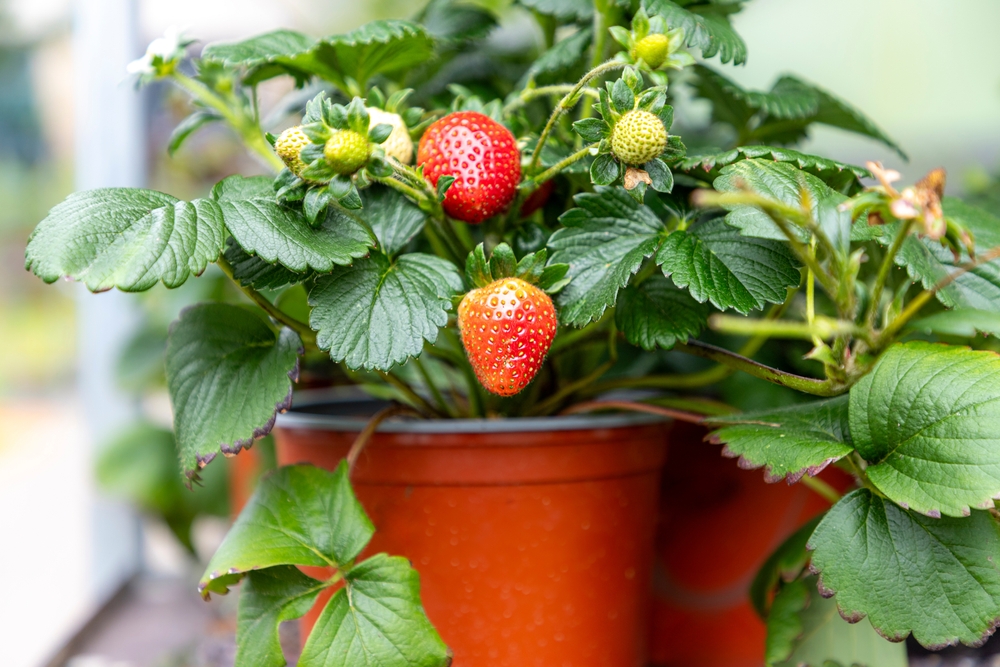
Strawberries on the Wall: A Risky Winter Bet
Vertical strawberry towers look charming and productive during warm months, and varieties adapt well to containers. Yet strawberries rely on insulated soil to protect their crowns during winter dormancy.
In-ground plantings benefit from earth’s natural insulation, but vertical towers expose roots to freezing air from all sides. Repeated freeze-thaw cycles damage crowns and reduce next season’s yield. Gardeners in colder zones often lose entire towers after one harsh winter.
If you grow strawberries vertically, insulate towers with straw, burlap, or specialized plant wraps before hard freezes arrive. Position them against south-facing walls to capture residual warmth, and avoid letting soil dry out completely during winter dormancy. In extremely cold climates, move smaller systems into unheated garages where temperatures stay above severe freezing but still allow dormancy.
Plan for Winter Before It Arrives
Vertical gardening delivers beauty, space efficiency, and creative satisfaction, but winter demands strategy. You cannot rely on a plant’s reputation alone. You must confirm hardiness zones, understand container exposure, and anticipate how wind and cold will interact with elevated root systems.
Start by mapping your garden’s microclimates. South-facing walls absorb heat during the day and radiate it at night, which can slightly moderate temperature swings. North-facing walls remain colder and receive less winter sun, so reserve them for the hardiest plants in your collection.
Vertical gardens do not fail in winter because gardeners lack enthusiasm. They fail because winter follows rules that plants cannot ignore. When you respect those rules and plan accordingly, your living wall can remain vibrant long after temperatures fall.
Winter-Proof Your Wall Before It’s Too Late
A thriving vertical garden in January does not happen by accident. It results from thoughtful plant selection, realistic expectations, and proactive protection. Some beloved favorites simply cannot handle freezing temperatures in exposed systems, no matter how healthy they looked in July.
Vertical gardening rewards creativity, but winter rewards preparation.
Which plants have surprised you by surviving the cold, and which ones taught you a hard lesson when temperatures dropped? Give us your insight in the comments below.
You May Also Like…
These Potted Fruit Trees Are Failing in Cold Weather — Experts Explain Why
6 Soil Additives That Could Backfire in Cold Weather—Experts Warn to Skip These in January
10 Things You Should Remove From Your Garden Immediately — They’re Ruining the Whole Look
8 Tips For Designing Your Garden For Efficiency
6 Cold Weather Herbs That Keep Producing Indoors

Brandon Marcus is a staff writer for FrugalGardening.com at District Media, Inc., where he delivers practical gardening advice with a relatable, no-nonsense style. An avid amateur gardener, he holds a BA degree and with over ten years of professional writing experience, he is also an award-winning published author whose first book, Questions For Deep Thinkers, was released by Adams Media. His work has appeared in major publications including Fandom.com, CHUD.com, TheColdWire.com, and Fansided.com.
Leave a Reply