• Skip to primary navigation
  • Skip to main content
  • Skip to primary sidebar

Frugal Gardening

Simple ways to save money while you garden

  • About
  • Contact Us
  • Garden Frugally
  • Buy These
  • Our Editorial Commitment
  • Navigation Menu: Social Icons

    • Facebook
    • Pinterest
    • Twitter

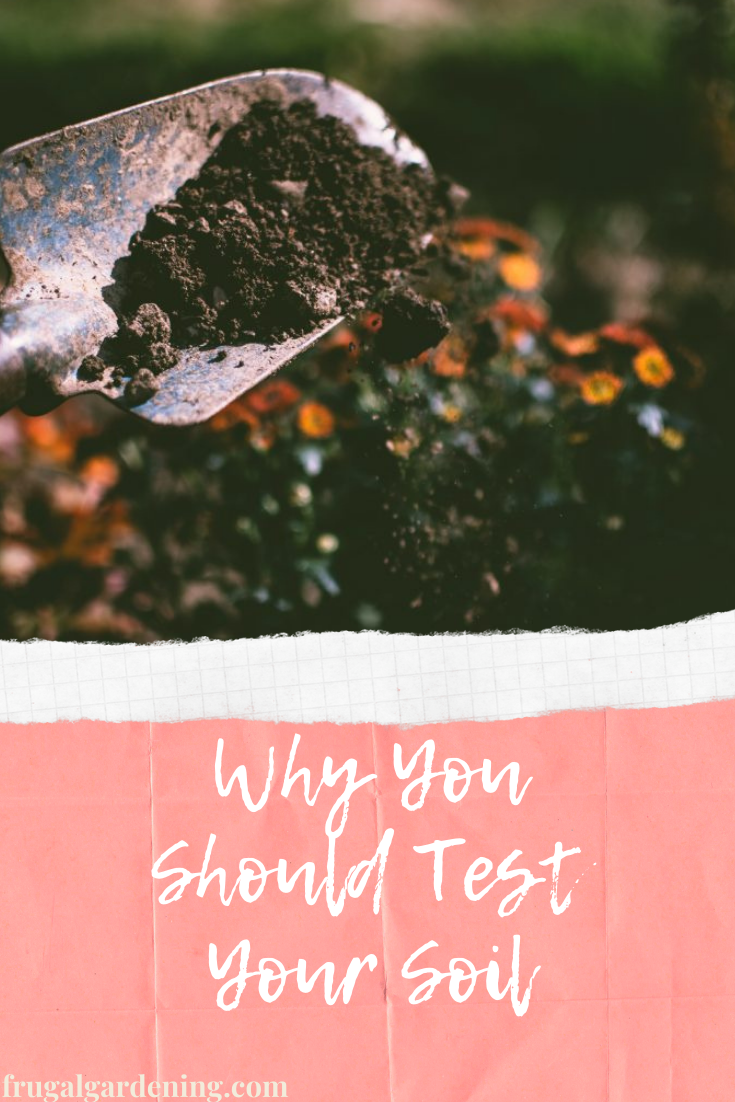
Why You Should Test Your Soil

July 20, 2020 by Steph Coelho Leave a Comment


Why You Should Test Your Soil

Along with water and sunlight, soil is the lifeblood of a garden. Without healthy, nutrient-filled soil, plants simply won’t thrive.

It’s tempting to believe that spraying your garden with fertilizer will encourage lush growth. But if you’re spraying without testing your soil, you may be in for trouble down the line.

Why should you test your garden soil? There are several important reasons to test your soil.

Too fertilizer is bad

If you fail to get your soil tested, you have no clue about its nutrient makeup. By adding fertilizer without knowing what nutrients are already there, you risk harming plants and the environment. When you add too much fertilizer, you upset the soil’s delicate ecosystem.

If you toss on tons of fertilizer without checking if it’s really necessary, you also risk wasting a lot of money. Fertilizer is expensive! Don’t bother adding any unless it’s absolutely necessary. Getting a soil test might just save you money!

Too little fertilizer is also bad

If your plants miss out on nutrients, that’s also bad news. But how can you help them out unless you know what they need? A soil test can provide you with essential information about which nutrients are lacking in your garden. If you know exactly what to add, you won’t waste precious dollars buying the wrong kind of fertilizer.

Soil tests are informative

They not only explain the nutrient makeup of your soil, but they also tell you other valuable information. Many extension offices that provide soil testing services provide gardeners with important information regarding the composition of their soil, including the amount of organic matter present. If you’re short on organic matter, you can add more to improve the condition of your soil, which can increase its drainage and water retention properties.

A few soil testing tips

Soil testing is a bit more involved than just taking a vial of dirt and sending it off to a lab. Doing it right ensures you will receive accurate results. The more accurate the results, the less likely you are to waste money and time!

  • Don’t take any soil from areas that have recently been fertilized
  • Take different soils samples from different spots in your garden
  • Label each soil sample appropriately
  • Let the soil samples air dry before mailing them

Here’s a handy video on how to take soil samples for mail-in testing:

https://www.youtube.com/watch?v=3_U9Z3fy0Ig

Photograph of Steph Coelho.
Steph Coelho

Steph Coelho is a freelance writer gardening in zone 5b. She is a certified Square Foot Gardener and has taught various garden-related workshops. When she’s not digging in the dirt or writing, she’s cooking up fresh produce, running, or listening to her favorite podcasts.

Filed Under: garden tools Tagged With: fertilizer, soil, soil testing

Previous Post: « 7 Tips for Getting Through a Heatwave in the Garden
Next Post: 4 Reasons to Grow Flowers in Your Garden »

Reader Interactions

Leave a Reply Cancel reply

Your email address will not be published. Required fields are marked *

Primary Sidebar

Struggling to get your garden off the ground? Put those days behind you with our special starter kit – perfect for thrifty green thumbs everywhere. Get growing and add a splash of color today!

Popular Posts

  • usda free seeds websiteHow To Get Free Seeds From The Government by Amanda Blankenship Seeds might seem like a small expense, but any seasoned…
  • Enviro Ice On PlantsShould I Use Enviro Ice On My Plants? by Kathryn Vercillo Every week, I receive food from Hungryroot. It's a great…
  • is shredded paper good for the gardenFrom Trash to Treasure: Transform Shredded Paper Into Garden Gold by Amanda Blankenship Should you use shredded paper as garden mulch? It might…
  • Enviro IceWhat Happens to Plants If You Use Enviro Ice on Them? by Amanda Blankenship About a year ago, I wrote our first article about…
plant drainage holes

Don’t Bring Your Outdoor Plants Inside Until You Check the Drainage Holes

Bringing houseplants indoors before cold weather sounds simple enough: pick up the pot, carry it inside, and find a sunny window. But before that planter crosses the threshold, flip it over and inspect an area that’s easy to forget—the plant drainage holes. Months outdoors can leave pots harboring insects, roots, debris, and other surprises around…

Read More

tomato blight

Tomato Blight? Don’t Put These Plants in the Compost Pile

Pulling out tired tomato plants is one of those end-of-season chores that seems straightforward: yank the vines, toss them into the compost pile, and turn this year’s garden into next year’s free fertilizer. But if those plants have brown, spotted, yellowing, or dying leaves, adding them to an ordinary backyard pile could be a mistake….

Read More

blue strawberry seeds

Those “Rare Blue Strawberry” Seeds Online Look Amazing — But Do They Actually Exist?

Scroll through online seed listings long enough and you’re almost guaranteed to encounter something that makes an ordinary garden look boring: electric-blue strawberries, rainbow roses, purple watermelons, or another spectacular plant you’ve never seen at a nursery. Photos of so-called blue strawberry seeds are especially convincing because the fruit often looks just realistic enough to…

Read More

blister beetle

This Garden Beetle Can Cause Blisters If You Crush It With Your Bare Hands

Gardeners are accustomed to squashing pests between their fingers, especially when an insect is chewing through a prized tomato plant. But there’s one garden visitor you definitely don’t want to crush with your bare hands: the blister beetle. These insects contain cantharidin, a potent chemical that can irritate skin and cause painful, fluid-filled blisters when…

Read More

  • About
  • Contact Us
  • Garden Frugally
  • Buy These
  • Our Editorial Commitment
  • Navigation Menu: Social Icons

    • Facebook
    • Pinterest
    • Twitter
  • Facebook
  • Pinterest
  • Twitter

Copyright © 2026 · Foodie Pro & The Genesis Framework