• Skip to primary navigation
  • Skip to main content
  • Skip to primary sidebar

Frugal Gardening

Simple ways to save money while you garden

  • About
  • Contact Us
  • Garden Frugally
  • Buy These
  • Our Editorial Commitment
  • Navigation Menu: Social Icons

    • Facebook
    • Pinterest
    • Twitter

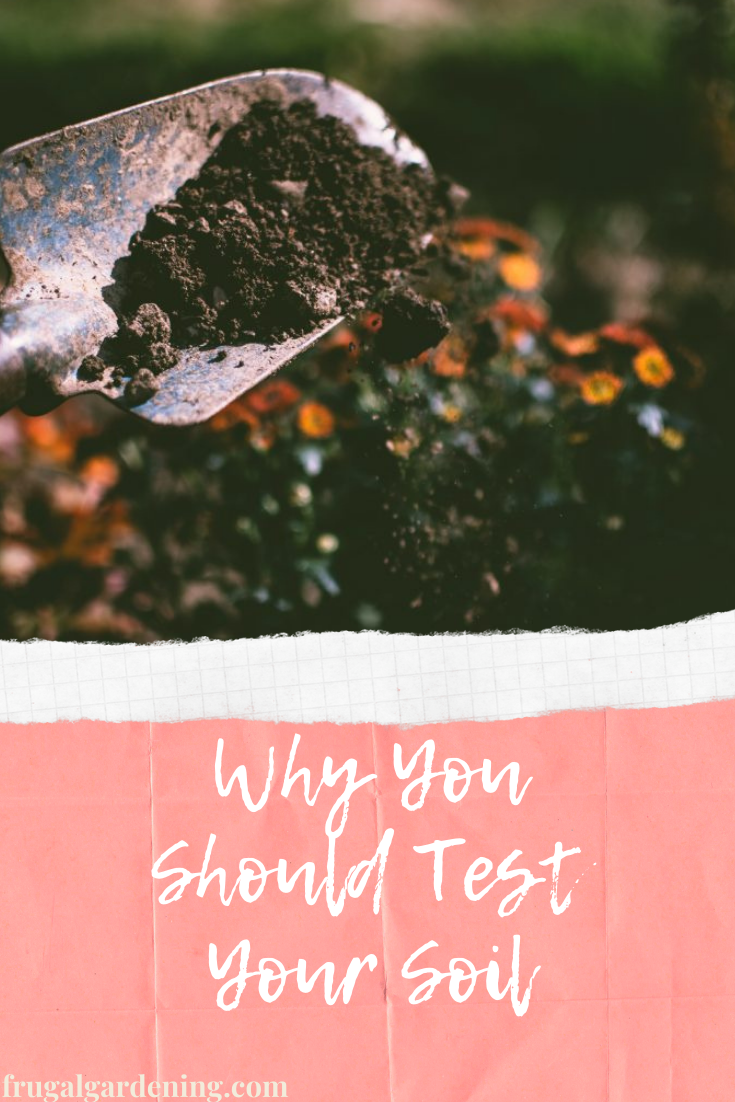
Why You Should Test Your Soil

July 20, 2020 by Steph Coelho Leave a Comment


Why You Should Test Your Soil

Along with water and sunlight, soil is the lifeblood of a garden. Without healthy, nutrient-filled soil, plants simply won’t thrive.

It’s tempting to believe that spraying your garden with fertilizer will encourage lush growth. But if you’re spraying without testing your soil, you may be in for trouble down the line.

Why should you test your garden soil? There are several important reasons to test your soil.

Too fertilizer is bad

If you fail to get your soil tested, you have no clue about its nutrient makeup. By adding fertilizer without knowing what nutrients are already there, you risk harming plants and the environment. When you add too much fertilizer, you upset the soil’s delicate ecosystem.

If you toss on tons of fertilizer without checking if it’s really necessary, you also risk wasting a lot of money. Fertilizer is expensive! Don’t bother adding any unless it’s absolutely necessary. Getting a soil test might just save you money!

Too little fertilizer is also bad

If your plants miss out on nutrients, that’s also bad news. But how can you help them out unless you know what they need? A soil test can provide you with essential information about which nutrients are lacking in your garden. If you know exactly what to add, you won’t waste precious dollars buying the wrong kind of fertilizer.

Soil tests are informative

They not only explain the nutrient makeup of your soil, but they also tell you other valuable information. Many extension offices that provide soil testing services provide gardeners with important information regarding the composition of their soil, including the amount of organic matter present. If you’re short on organic matter, you can add more to improve the condition of your soil, which can increase its drainage and water retention properties.

A few soil testing tips

Soil testing is a bit more involved than just taking a vial of dirt and sending it off to a lab. Doing it right ensures you will receive accurate results. The more accurate the results, the less likely you are to waste money and time!

  • Don’t take any soil from areas that have recently been fertilized
  • Take different soils samples from different spots in your garden
  • Label each soil sample appropriately
  • Let the soil samples air dry before mailing them

Here’s a handy video on how to take soil samples for mail-in testing:

https://www.youtube.com/watch?v=3_U9Z3fy0Ig

Photograph of Steph Coelho.
Steph Coelho

Steph Coelho is a freelance writer gardening in zone 5b. She is a certified Square Foot Gardener and has taught various garden-related workshops. When she’s not digging in the dirt or writing, she’s cooking up fresh produce, running, or listening to her favorite podcasts.

Filed Under: garden tools Tagged With: fertilizer, soil, soil testing

Previous Post: « 7 Tips for Getting Through a Heatwave in the Garden
Next Post: 4 Reasons to Grow Flowers in Your Garden »

Reader Interactions

Leave a Reply Cancel reply

Your email address will not be published. Required fields are marked *

Primary Sidebar

Struggling to get your garden off the ground? Put those days behind you with our special starter kit – perfect for thrifty green thumbs everywhere. Get growing and add a splash of color today!

Popular Posts

  • usda free seeds websiteHow To Get Free Seeds From The Government by Amanda Blankenship Seeds might seem like a small expense, but any seasoned…
  • Enviro Ice On PlantsShould I Use Enviro Ice On My Plants? by Kathryn Vercillo Every week, I receive food from Hungryroot. It's a great…
  • is shredded paper good for the gardenFrom Trash to Treasure: Transform Shredded Paper Into Garden Gold by Amanda Blankenship Should you use shredded paper as garden mulch? It might…
  • Enviro IceWhat Happens to Plants If You Use Enviro Ice on Them? by Amanda Blankenship About a year ago, I wrote our first article about…
What Should You Do With Bolted Lettuce Besides Throwing It Away?

What Should You Do With Bolted Lettuce Besides Throwing It Away?

Lettuce that suddenly shoots upward, stretches into a strange leafy tower, and produces a flower stalk has not failed. It has simply changed careers. Once lettuce bolts, the leaves often become tougher and noticeably bitter as the plant shifts its energy toward flowering and seed production, but that does not mean the entire plant belongs…

Read More

Can Drought-Resistant Roses Handle Long Stretches Without Rain?

Can Drought-Resistant Roses Handle Long Stretches Without Rain?

Drought-resistant roses can handle long stretches without rain far better than thirsty garden plants, but they are not made of stone. A tough rose may shrug off a dry spell once its roots settle in, yet even the most water-wise variety can struggle when the soil stays bone-dry for weeks and the weather keeps turning…

Read More

5 Garden Repairs to Make Before the Next Summer Storm

5 Garden Repairs to Make Before the Next Summer Storm

Summer storms have a talent for finding the one loose fence panel, wobbly trellis, cracked branch, or clogged drain that everyone forgot about. A garden can look perfectly fine under blue skies, then turn into a slapstick production the moment wind and heavy rain arrive. A few small repairs before the next storm can protect…

Read More

Are Punctured Rain Barrels the Next Low-Cost Irrigation Trend?

Are Punctured Rain Barrels the Next Low-Cost Irrigation Trend?

A rain barrel usually sits quietly beside a downspout, collecting water for a later date. A newer low-cost irrigation idea flips that script: instead of storing every drop for a future watering session, gardeners puncture tiny holes near the bottom of a barrel and let collected rainwater slowly seep into the soil. The concept has…

Read More

  • About
  • Contact Us
  • Garden Frugally
  • Buy These
  • Our Editorial Commitment
  • Navigation Menu: Social Icons

    • Facebook
    • Pinterest
    • Twitter
  • Facebook
  • Pinterest
  • Twitter

Copyright © 2026 · Foodie Pro & The Genesis Framework