• Skip to primary navigation
  • Skip to main content
  • Skip to primary sidebar

Frugal Gardening

Simple ways to save money while you garden

  • About
  • Contact Us
  • Garden Frugally
  • Buy These
  • Privacy Policy
  • Navigation Menu: Social Icons

    • Facebook
    • Pinterest
    • Twitter

Seed Starting on a Budget Series: The Importance of Biding Your Time

December 16, 2024 by Steph Coelho Leave a Comment


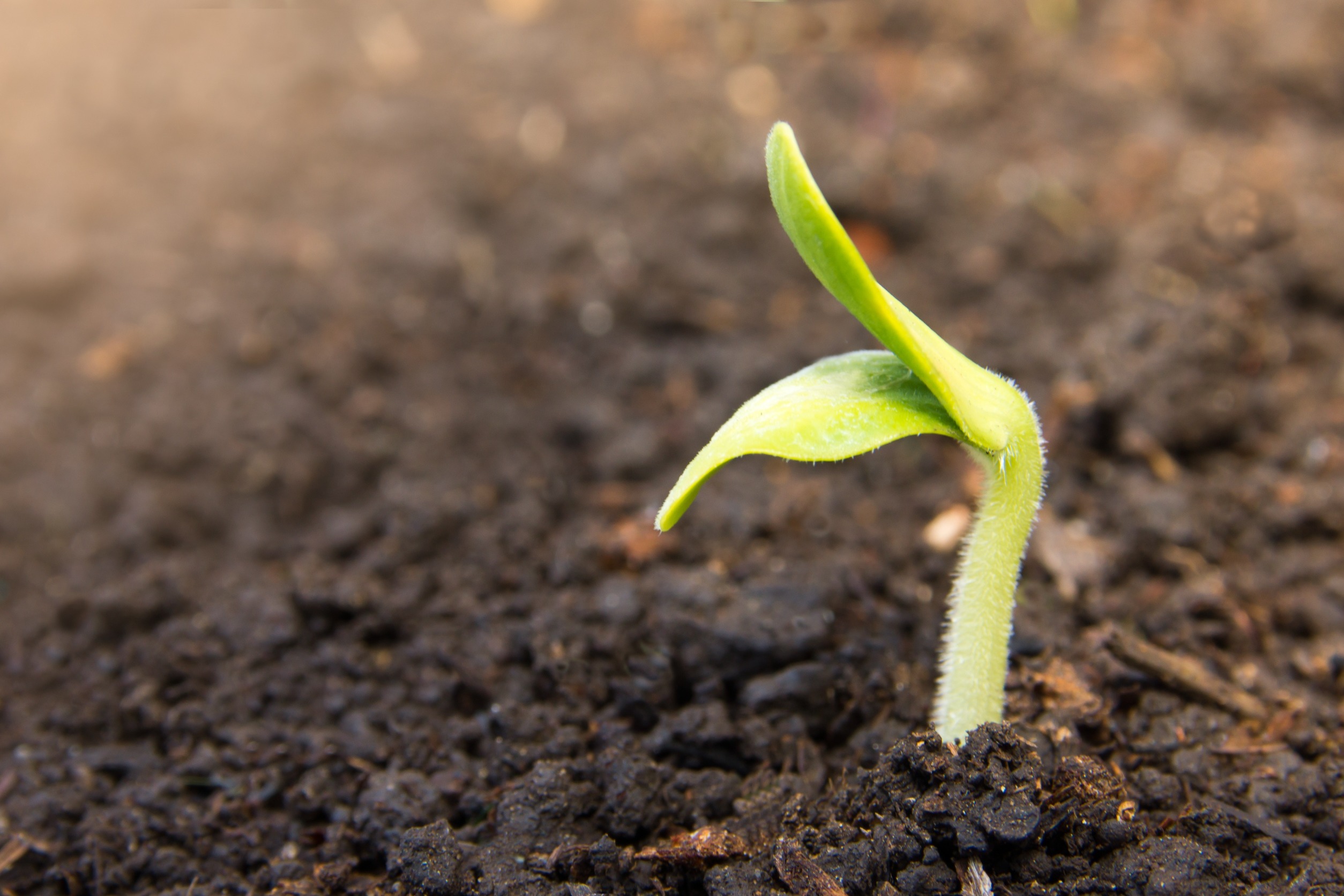
Seed Starting on a Budget Series The Importance of Biding Your Time

Image Source: 123rf.com

My first serious foray into indoor seed starting began with a bang. My husband helped me set up a makeshift grow shelf, and I purchased soil mixes, trays, and pots. I was so ready to get started that I assumed it would be better to get things going sooner rather than later.

I quickly realized that when starting seeds, getting things done faster isn’t necessarily better, especially if you’re on a budget!

Problems with Starting Seeds Too Early

It seems entirely logical to start plants earlier. They’ll be bigger by the time they get planted out, and you’ll harvest vegetables sooner. If you don’t have money to spare, however, early indoor sowing can leave you scrambling. Here are some ways starting early may be a detriment for the frugal gardener.

  • Higher supply cost. You’ll likely need to repot plants into bigger containers to prevent them from becoming root-bound. This will involve purchasing larger pots and more soil mix.
  • Bigger time investment. The earlier you start, the more time you’ll spend babysitting your plants.
  • More space is required. Bigger pots and plants mean that you’ll need to carve out more space for your seed-starting activities, and that can translate to extra money spent. You may need to purchase more lights for a second shelf, for instance.
  • Pressure and potential loss of seedlings. As your plants get bigger, you may feel pressure to transplant too early, especially if you simply don’t have the budget to purchase additional supplies. This may lead to loss of seedlings if they are transplanted out before the last frost date or without proper hardening off.

The Right Timing
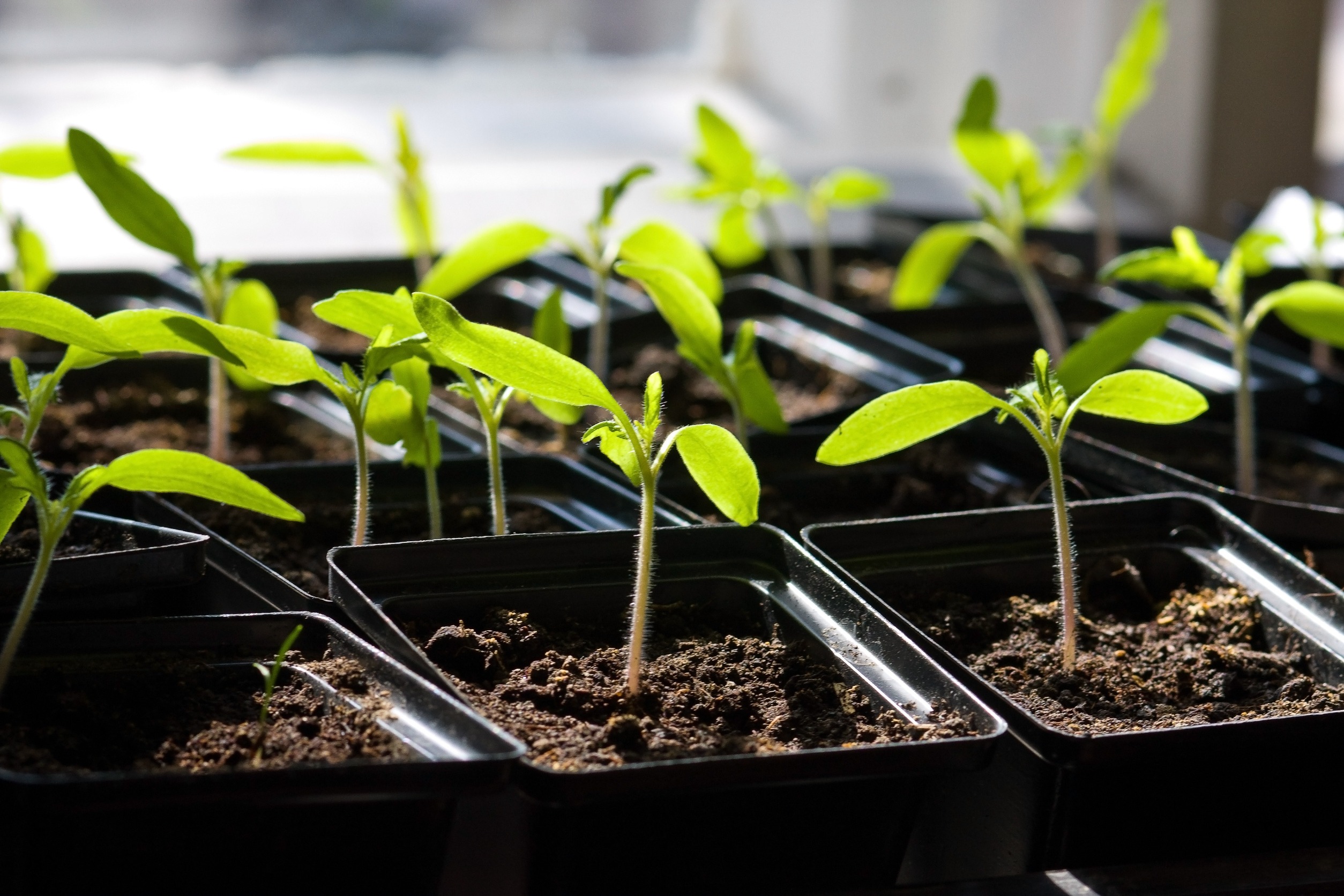
The Right Timing

Image Source: 123rf.com

I addressed this in a previous post, but I’ll repeat it. Proper timing is key. Don’t overestimate the time you’ll need. Instead, I recommend that frugal gardeners under-estimate. For instance, the typical recommendation for starting tomato seedlings is 6-8 weeks before the last frost date. Go with the 6-week figure to be safe and take notes on timing so that next year, you can master your schedule.

Exceptions

Of course, there are exceptions to the rule. If you have plenty of space, a bigger budget, and patience, starting slightly earlier isn’t a big deal. And some plants, like leeks and onions, can be started early without too much trouble. They grow slowly and aren’t susceptible to becoming root-bound. You may also want to begin cool-season veggies such as spinach and mizuna early so you can transplant them outdoors as soon as the soil warms in the spring to maximize their exposure to cooler temperatures.

Overall, the lesson I’m trying to impart is that there’s no need to rush!

Photograph of Steph Coelho.
Steph Coelho

Steph Coelho is a freelance writer gardening in zone 5b. She is a certified Square Foot Gardener and has taught various garden-related workshops. When she’s not digging in the dirt or writing, she’s cooking up fresh produce, running, or listening to her favorite podcasts.

Filed Under: seed starting Tagged With: Budget Gardening, frugal gardening, gardening tips, seed starting, Timing in gardening

Previous Post: « Here Are 5 Great Christmas Gifts For The Gardener In Your Life
Next Post: 7 Plants That Thrive In The Winter »

Reader Interactions

Leave a Reply Cancel reply

Your email address will not be published. Required fields are marked *

Primary Sidebar

Struggling to get your garden off the ground? Put those days behind you with our special starter kit – perfect for thrifty green thumbs everywhere. Get growing and add a splash of color today!

Popular Posts

  • usda free seeds websiteHow To Get Free Seeds From The Government by Amanda Blankenship Seeds might seem like a small expense, but any seasoned…
  • Enviro Ice On PlantsShould I Use Enviro Ice On My Plants? by Kathryn Vercillo Every week, I receive food from Hungryroot. It's a great…
  • is shredded paper good for the gardenFrom Trash to Treasure: Transform Shredded Paper Into Garden Gold by Amanda Blankenship Should you use shredded paper as garden mulch? It might…
  • Enviro IceWhat Happens to Plants If You Use Enviro Ice on Them? by Amanda Blankenship About a year ago, I wrote our first article about…
Low-Cost Cover Crops That Improve Soil Without Extra Work

Low-Cost Cover Crops That Improve Soil Without Extra Work

Stop throwing money at soil problems that fix themselves for free. Healthy soil does not demand expensive inputs, complicated routines, or endless hours of work. It thrives when it gets the right kind of help at the right time, and cover crops deliver exactly that without turning gardening into a second full-time job. Picture a…

Read More

5 Patio Herb Garden Ideas That Work for Renters and Small Spaces

5 Patio Herb Garden Ideas That Work for Renters and Small Spaces

A patio doesn’t need square footage to make a big impression. A few smart choices can turn even the tiniest outdoor corner into a thriving herb haven that smells incredible and actually saves money on groceries. Fresh basil, mint, and rosemary don’t demand sprawling backyard space, and they definitely don’t care about lease agreements or…

Read More

Why Moss Appears on Lawns and What It Says About Your Soil

Why Moss Appears on Lawns and What It Says About Your Soil

There’s no such thing as “just moss” when it shows up in a lawn. That soft, green carpet doesn’t arrive by accident, and it definitely doesn’t stick around for no reason. Moss shows up with a message, and it delivers that message loud and clear to anyone willing to look closely. It doesn’t shout like…

Read More

The Hidden Risks of Improper Pruning That Reduce Summer Harvests

The Hidden Risks of Improper Pruning That Reduce Summer Harvests

There’s a moment in every growing season when everything looks promising, green, and unstoppable—and then something quietly goes wrong. Not a dramatic pest invasion or a sudden frost, but something far more frustrating because it feels avoidable. Pruning, that seemingly simple act of trimming back growth, holds more power than most realize. Done right, it…

Read More

  • About
  • Contact Us
  • Garden Frugally
  • Buy These
  • Privacy Policy
  • Navigation Menu: Social Icons

    • Facebook
    • Pinterest
    • Twitter
  • Facebook
  • Pinterest
  • Twitter

Copyright © 2026 · Foodie Pro & The Genesis Framework