• Skip to primary navigation
  • Skip to main content
  • Skip to primary sidebar

Frugal Gardening

Simple ways to save money while you garden

  • About
  • Contact Us
  • Garden Frugally
  • Buy These
  • Our Editorial Commitment
  • Navigation Menu: Social Icons

    • Facebook
    • Pinterest
    • Twitter

Protect The Garden From Excessive Rainfall: Frugal Tips

August 30, 2021 by Steph Coelho Leave a Comment

protect garden from excessive rainfall
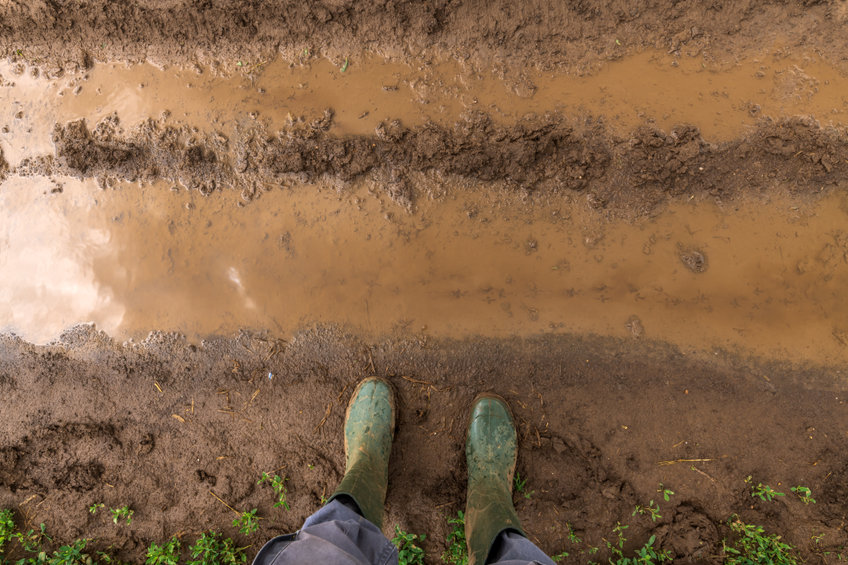
Farmer in rubber boots standing on muddy dirt road in countryside, feet from above

While it’s not necessarily a problem in all locations, many people have to worry about protecting their garden from excessive rainfall.

Plants love water! Too little, and they’ll wither away. But too much water can also cause problems.

Plants that are stuck drowning in waterlogged soil can succumb to root rot.

These days, unpredictable weather is more and more commonplace. Periods of drought followed by flash floods are not unheard of. And this wild weather can have negative consequences for your home garden.

So how can you protect your garden from excessive rainfall? Here are a few tips.

How to protect the garden from excessive rainfall

Here’s what to do to keep your plants from drowning after a rainstorm.

Plan ahead.

I’m not talking about checking the weather. I’m talking about being particularly careful during the garden planning process. Avoid starting a garden in an area where water pools. After heavy rainfall, plants in these areas are more likely to die due to root rot.

And make sure the soil drains well. Add organic matter to the soil to improve its condition and drainage capabilities.

Stop walking on the soil.

Make sure you can reach all areas of your garden plot without having to walk on the soil. Walking on soil compacts it and can make it more likely to become waterlogged in the future.

The University of Delaware Cooperative Extension has some helpful tips on how to avoid soil compaction.

Quit watering!

This is an obvious one, but it’s something people forget to do. Keep an eye on the weather forecast and turn off your sprinklers and irrigation systems before a rainstorm. And I know the weather seems nice right now, but unless your plants are dying of thirst, skip hand watering when a storm is brewing.

Clean your gutters.

Grab a ladder and clean out your gutters to protect your garden from excessive rainfall. Clogged gutters can cause water runoff and flood your garden beds.

Pick plants wisely.

If flooding is an inevitability where you live, choose plants that can tolerate moist, humid conditions. Select disease-resistant varieties that aren’t as likely to pick up fungal or viral infections brought on by very wet weather.

Use raised beds.

Raised beds and containers (with drainage holes) are less likely to become waterlogged than in-ground beds. You can find one on Amazon here. They’re also great for areas where the soil isn’t super fertile. Bonus: No more kneeling and way less bending over!

Add a French drain to your yard.

DIY this helpful drainage solution called a French drain to improve drainage on your property.

Photograph of Steph Coelho.
Steph Coelho

Steph Coelho is a freelance writer gardening in zone 5b. She is a certified Square Foot Gardener and has taught various garden-related workshops. When she’s not digging in the dirt or writing, she’s cooking up fresh produce, running, or listening to her favorite podcasts.

Filed Under: frugality, gardening methods, water Tagged With: avoiding waterlogged soil, flood, flooding, protecting plans from excessive rainfall, protecting plants from flooding, waterlogged soil

Previous Post: « 5 Compact Plants For Small Gardens
Next Post: Winding Down For The Season »

Reader Interactions

Leave a Reply Cancel reply

Your email address will not be published. Required fields are marked *

Primary Sidebar

Struggling to get your garden off the ground? Put those days behind you with our special starter kit – perfect for thrifty green thumbs everywhere. Get growing and add a splash of color today!

Popular Posts

  • usda free seeds websiteHow To Get Free Seeds From The Government by Amanda Blankenship Seeds might seem like a small expense, but any seasoned…
  • Enviro Ice On PlantsShould I Use Enviro Ice On My Plants? by Kathryn Vercillo Every week, I receive food from Hungryroot. It's a great…
  • is shredded paper good for the gardenFrom Trash to Treasure: Transform Shredded Paper Into Garden Gold by Amanda Blankenship Should you use shredded paper as garden mulch? It might…
  • Enviro IceWhat Happens to Plants If You Use Enviro Ice on Them? by Amanda Blankenship About a year ago, I wrote our first article about…
September Isn’t the End of the Vegetable Garden: These 8 Crops Can Still Go in the Ground

September Isn’t the End of the Vegetable Garden: These 8 Crops Can Still Go in the Ground

September does not have to mean waving goodbye to the vegetable garden. Depending on your climate and first frost date, plenty of cool-season crops can still go into the soil now and give you fresh food long after the tomatoes start looking exhausted. The key involves choosing vegetables that actually enjoy cooler weather instead of…

Read More

Bringing Houseplants Back Inside? Check These 6 Places for Bugs First

Bringing Houseplants Back Inside? Check These 6 Places for Bugs First

Bringing houseplants back inside sounds simple: carry the pots indoors, find them a sunny window, and call it a day. Unfortunately, tiny freeloaders may have other plans. Outdoor plants can pick up aphids, spider mites, mealybugs, scale and other pests during the growing season, and a plant that looks perfectly clean at a glance can…

Read More

Don’t Compost These 7 Plants When You Clean Out the Garden This Fall

Don’t Compost These 7 Plants When You Clean Out the Garden This Fall

Fall garden cleanup creates a mountain of tempting compost material, but not everything that came out of the garden belongs in that pile. Some plants can carry diseases, spread from stubborn pieces of root, or dump a fresh crop of weed seeds into the compost you plan to use next year. That does not mean…

Read More

Bought Seeds Online From an Unknown Seller? USDA Says Don’t Plant Them Until You Check This

Bought Seeds Online From an Unknown Seller? USDA Says Don’t Plant Them Until You Check This

That packet of unusual flower or vegetable seeds from an unfamiliar online seller might look like a bargain, but the USDA has a very good reason for telling gardeners to pump the brakes. Before planting seeds bought online, check where they came from and whether they meet U.S. import requirements. That matters even more when…

Read More

  • About
  • Contact Us
  • Garden Frugally
  • Buy These
  • Our Editorial Commitment
  • Navigation Menu: Social Icons

    • Facebook
    • Pinterest
    • Twitter
  • Facebook
  • Pinterest
  • Twitter

Copyright © 2026 · Foodie Pro & The Genesis Framework