
Gardening can turn into an expensive hobby remarkably fast. A few seed packets become a cart full of gadgets, specialty mixes, decorative containers, and tools that promise to make every tomato, flower, and cucumber perform like a champion. The good news is that plants rarely care how much money gets spent on them. A decent…
garden tips
The Cheapest Vegetable to Grow Isn’t Always the One With the Cheapest Seeds
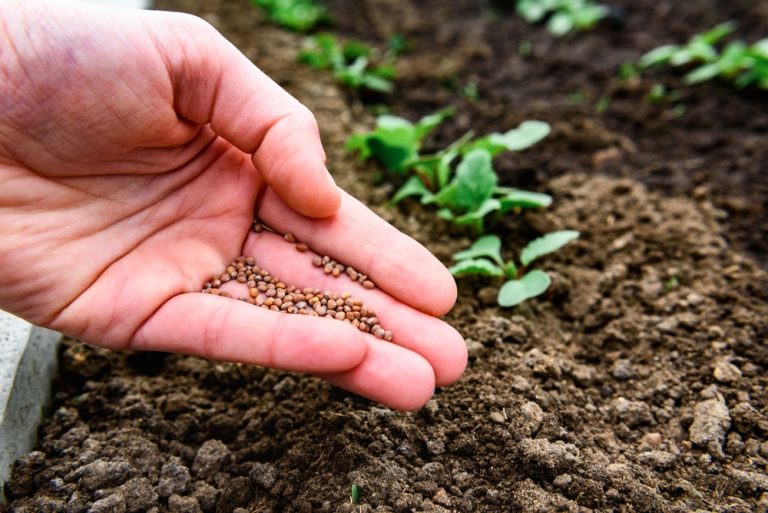
A seed packet that costs a couple of dollars can look like a garden bargain, but the cheapest seeds do not always produce the cheapest vegetables. A crop can demand more water, fertilizer, garden space, support, pest control, or time than another vegetable with a slightly pricier packet. That changes the math considerably once the…
8 Garden Crops That May Not Save You Much Money at the Grocery Store
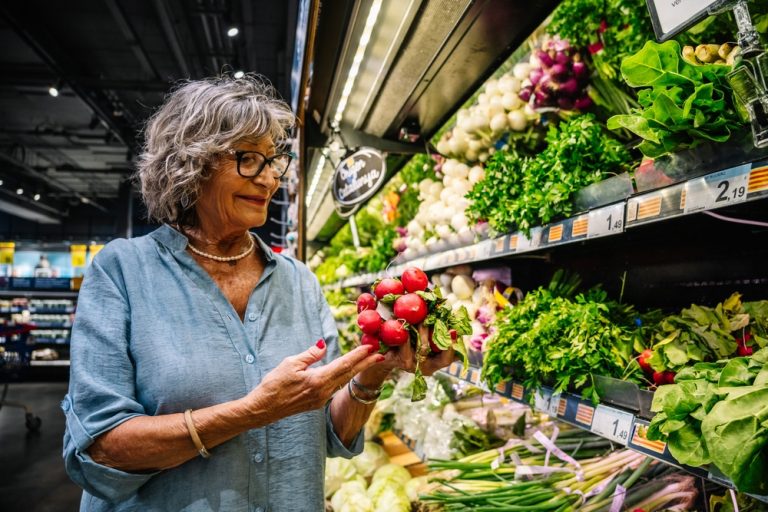
A vegetable garden can put fresh food within arm’s reach, but that does not automatically make every crop a bargain. Some vegetables demand lots of space, water, supports, containers, or a surprisingly long stretch of attention before they produce enough food to make a dent in the grocery bill. That does not make these crops…
10 Vegetables You Can Grow From Seed for Far Less Than Store-Bought Produce
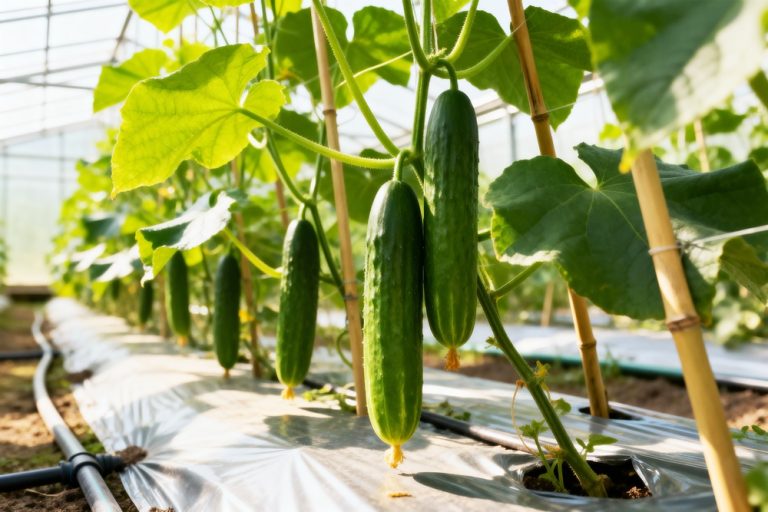
A packet of vegetable seeds can look almost comically small next to a grocery-store bag of produce, but those tiny seeds can turn into a surprisingly generous harvest. For gardeners watching their grocery budget, growing vegetables from seed often costs far less than buying the same produce week after week, especially when a single planting…
A Small Fall Garden Can Keep Producing Long After Summer Tomatoes Are Gone
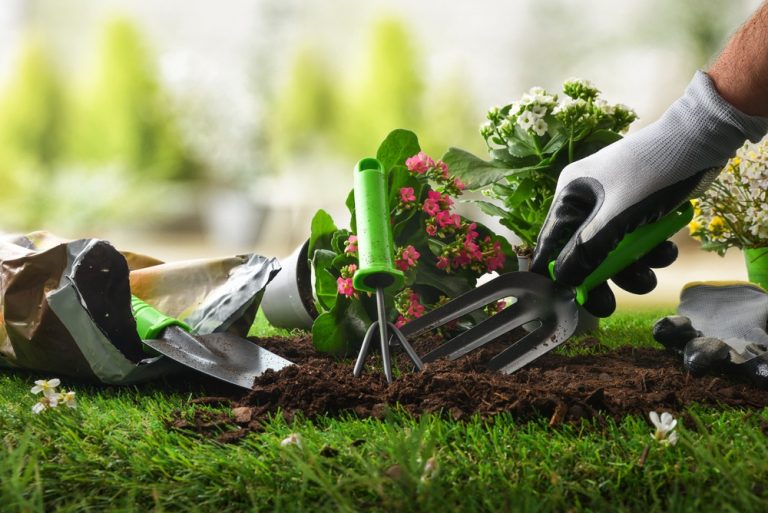
Summer gardens tend to get all the glory. Tomatoes ripen by the bowlful, cucumbers appear overnight, and zucchini somehow manages to produce enough for an entire neighborhood. Then September arrives, the tomato vines start looking exhausted, and it is tempting to call the garden finished for the year. That would leave a surprising amount of…
9 Vegetables That Give You the Most Food for the Least Garden Space
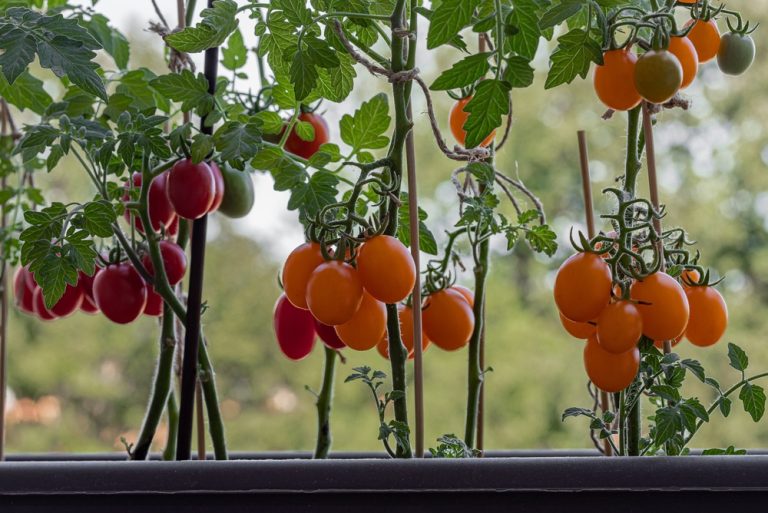
A small garden does not have to produce a small harvest. You just have to choose vegetables that keep producing, grow upward instead of outward, or deliver plenty of edible food from a relatively compact patch of soil. A few smart choices can turn one raised bed, patio container collection, or tiny backyard plot into…
Should You Fertilize Before Winter? Some Plants Are Better Left Alone
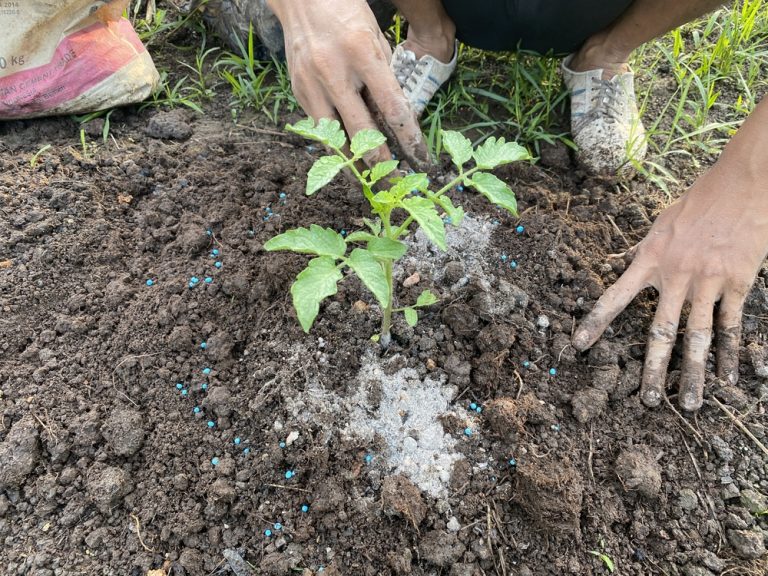
Fall creates a tempting gardening problem: the plants look tired, the weather cools down, and the fertilizer bag starts whispering, “One more feeding.” But fertilizing before winter does not automatically help plants survive the cold, and for some plants, late-season fertilizer can encourage exactly the kind of growth you do not want. It all comes…
September Is One of the Best Times to Get Free Plants From the Ones You Already Own
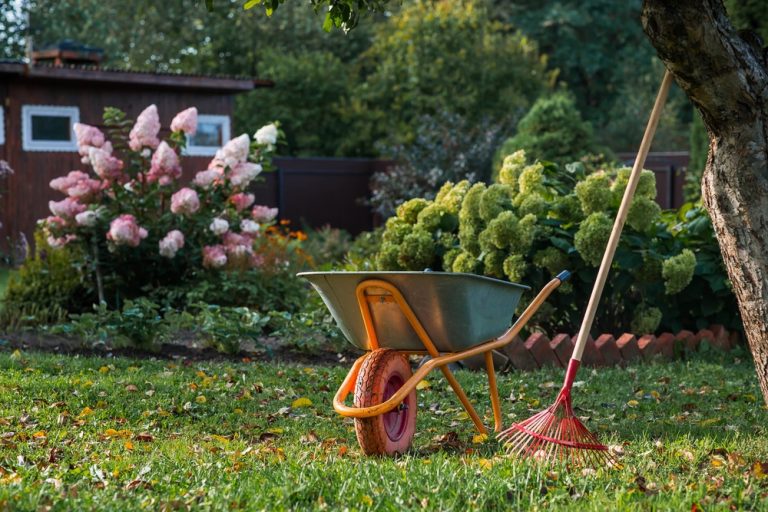
September has a sneaky little gardening gift: the plants already sitting in the yard can become new plants without a trip to the garden center. By dividing established perennials, taking suitable cuttings, or separating plants before they move into their slower fall rhythm, gardeners can turn one healthy plant into several. The timing makes particular…
7 Fall Vegetables That Can Handle Cooler Nights Better Than You Think
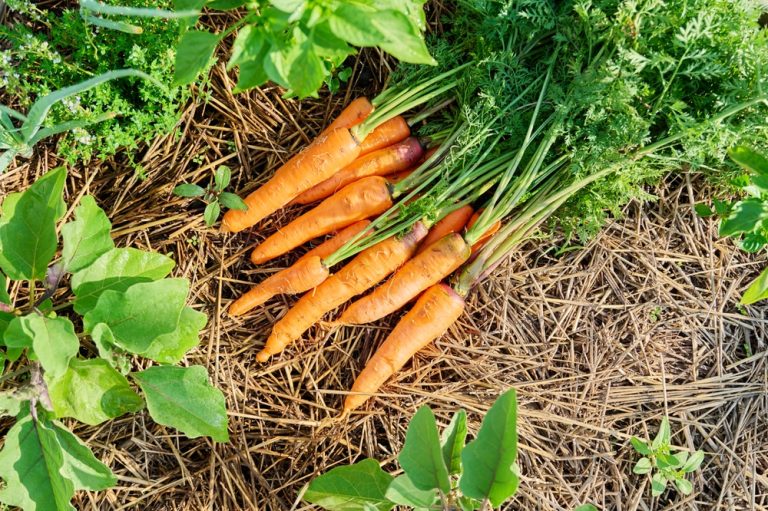
Summer gets all the vegetable-garden glory, but fall quietly has a few tricks of its own. As nights get colder, kale, carrots, spinach, broccoli, cabbage, beets, and radishes can keep producing when heat-loving tomatoes, peppers, and beans start calling it quits. The secret lies in choosing crops that actually like cool weather instead of trying…
You Don’t Need a Big Backyard to Grow a Meaningful Amount of Food
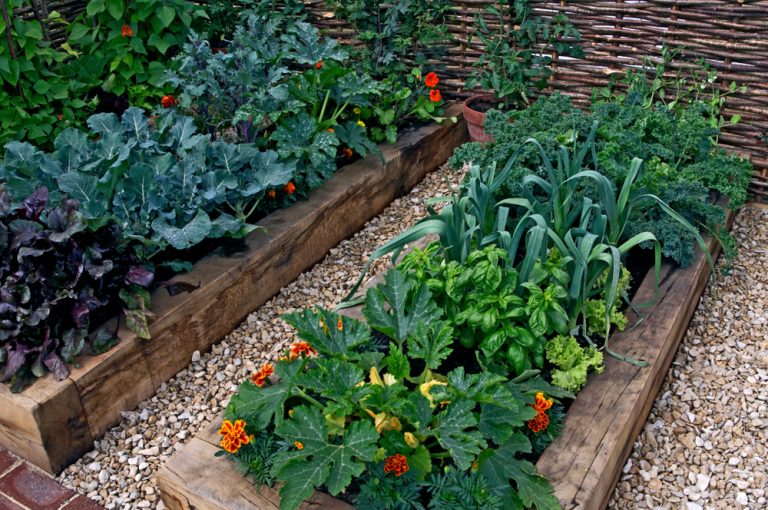
A small backyard can produce a meaningful amount of food, even when it looks more like a postage stamp than a farm. The trick comes down to choosing productive crops, using vertical space, and giving prime growing areas to plants that actually earn their keep. That last part matters more than garden size. A sprawling…