Holiday plants have a magical way of showing up exactly when the season turns festive—bright reds, deep greens, and lush foliage that practically scream celebration. The moment they arrive in stores, people grab them with big plans: some want them as bright indoor décor, while others dream of planting them outside so they’ll last beyond a single season.
But before you tuck that poinsettia into your front yard or leave your amaryllis on the porch through winter, it’s worth asking: where do these festive favorites really belong? The answer isn’t always obvious, and sometimes it depends on climate, care habits, or even the personality of the plant itself.
Poinsettias: Indoors or Outdoors?
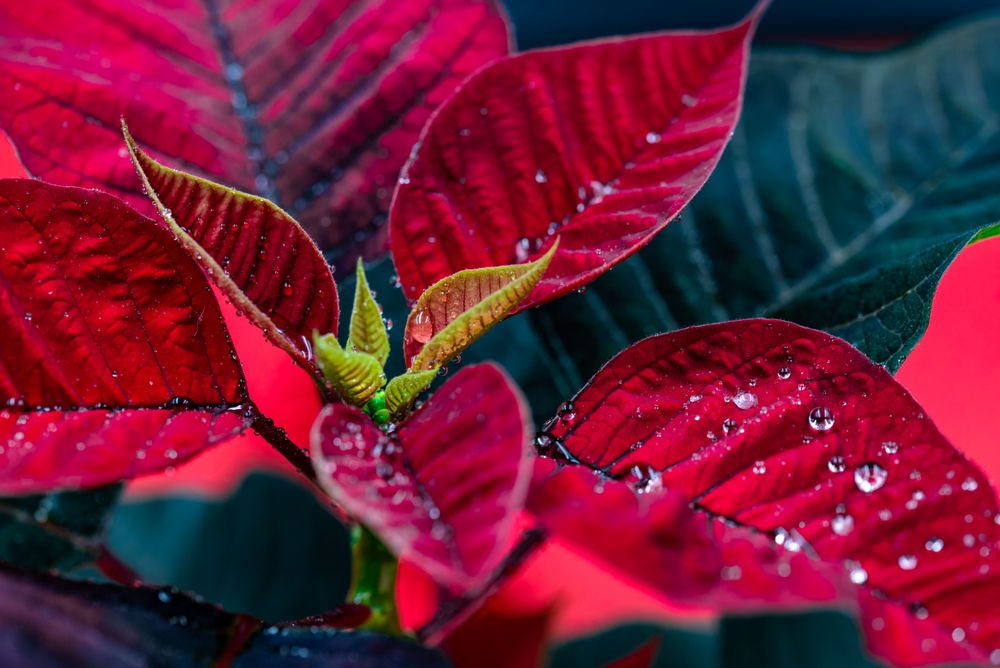
Poinsettias are the ultimate holiday star, but most people don’t realize how sensitive they actually are. These bright beauties prefer stable temperatures, which means outdoor environments—especially in cold regions—can shock them instantly. Indoors, they thrive near bright windows with cozy, stable conditions, making them reliable decorative centerpieces. However, in warm climates, some gardeners plant them outside where they can grow into full shrubs that return year after year. The secret is knowing that poinsettias can survive outdoors only if the weather mimics their native tropical roots.
Amaryllis: Showstopper Indoors, Survivor Outdoors
Amaryllis bulbs are famous for producing towering flowers that look too dramatic to be real. Indoors, they’re showstoppers: easy to grow, easy to enjoy, and almost guaranteed to bloom with minimal effort. But outdoors, things get interesting—amaryllis can thrive in mild-winter climates where the soil doesn’t freeze, often returning reliably each year. The catch is that they need well-drained soil and partial sunlight, otherwise they rot or fail to bloom. They’re flexible plants overall, but more of a gamble in colder states where the bulbs struggle in harsh winters.
Christmas Cactus: The Indoor Champion
The Christmas cactus is one of the few holiday plants that practically begs to live indoors. It loves bright but indirect light, consistent moisture, and temperatures that don’t jump around wildly. Outdoors, it can survive only in warm climates with humidity that mimics its natural forest origins. Even then, too much direct sun scorches the leaves, turning a beloved holiday plant into a stressed-out, wilting mess. For most people, the Christmas cactus remains a loyal indoor companion, blooming each year like a cheerful holiday guest who actually respects your space.
Holly: A Holiday Icon Made for Outdoors
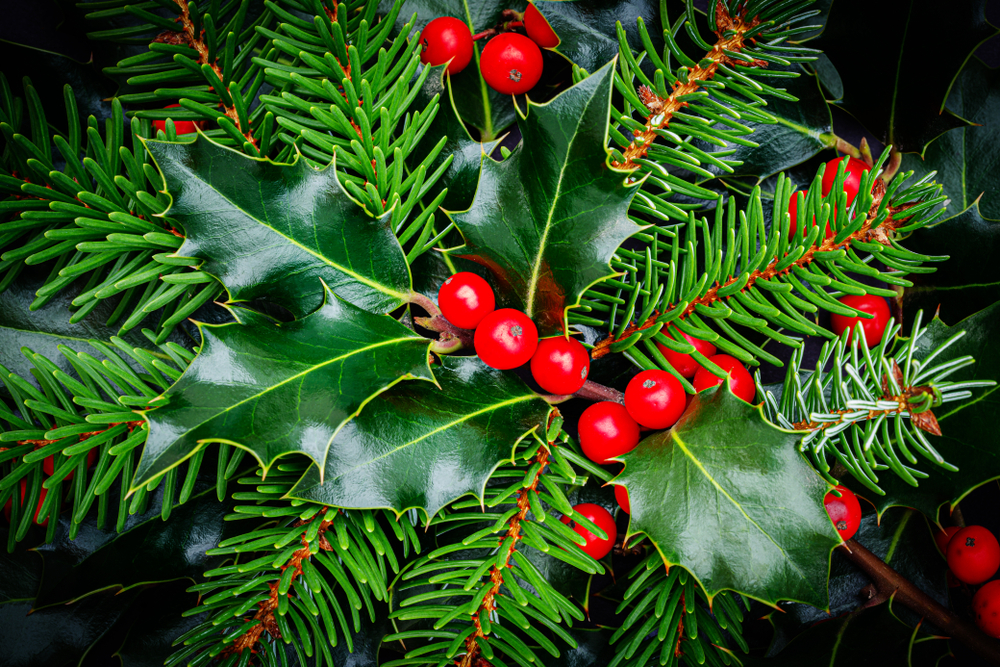
Holly is one of the few holiday favorites that genuinely thrives outdoors. With its glossy green leaves and bright red berries, holly bushes add instant winter charm to a landscape and stand up well to cold weather. Indoors, holly dries out quickly, drops leaves, and refuses to behave, making it more trouble than it’s worth as a houseplant. When planted outside, it grows into a hardy, attractive shrub that feeds wildlife and adds year-round structure to the garden. If you’re looking for a holiday plant that doubles as long-term landscaping, holly is the one.
Rosemary Trees: Versatile but Tricky
Those cute little rosemary “holiday trees” you see in stores seem like the perfect plant to transition from décor to garden staple. Indoors, though, rosemary is finicky—it hates dry air, inconsistent watering, and low light, all of which are common in winter households. Outdoors, rosemary thrives in sunny, well-drained soil, especially in warmer climates where it can become a full shrub. However, in colder regions, winter freezes can wipe it out unless it’s heavily protected. Rosemary is one of those holiday plants that can go either way, but it demands the right environment to survive long-term.
Cyclamen: Delicate Beauty with Strong Preferences
Cyclamen is often sold during the holidays because its flowers look like festive ribbons turned into petals. Indoors, it prefers cool rooms and indirect light, blooming longer when kept away from heaters and sunny windows. Outdoors, cyclamen can flourish in mild climates with cool, moist winters, often naturalizing into cheerful groundcover. The downside is that harsh cold destroys them quickly, and hot, dry air weakens them. Cyclamen can be both an indoor jewel and an outdoor gem, but only when the weather cooperates.
Christmas Trees: The Great Indoor–Outdoor Debate
Live Christmas trees in pots tempt many people who want a greener holiday tradition. Indoors, they look beautiful, but they really can’t stay inside for too long before the dry air and warm temperatures stress them out. Outdoors, these trees thrive—once planted, they grow into gorgeous evergreens that can last decades. The trick is letting them spend only a short time indoors before returning them outside, where they can acclimate and survive. If you’ve ever dreamed of planting your holiday tree in the yard, this is one plant that truly prefers the open air.
Where Should Your Holiday Plants Really Live?
Holiday plants bring joy, color, and charm to the season, but each one has its own opinion about where it belongs. Some thrive indoors with bright windows and steady temperatures, while others are happiest planted outside where they can grow year after year. Understanding their quirks not only helps them live longer but also makes your holiday decorating more meaningful. Whether you’re nurturing a poinsettia on your dining table or planting holly by your walkway, knowing where each plant feels at home makes the entire experience more rewarding.
Have you tried growing holiday plants indoors, outdoors, or both? Give us your stories, experiments, and gardening wins in the comments.
You May Also Like…
How to Keep Your Garden Alive While You’re Enjoying the Holidays
6 Flower Beds That Benefit From Fall Re-Edging
6 Cold Weather Herbs That Keep Producing Indoors
A Wealth of Information: 4 Great Reasons to Order & Keep Seed Catalogs
6 Outdoor Mistakes That Could Trigger a Property Fine

Brandon Marcus is a staff writer for FrugalGardening.com at District Media, Inc., where he delivers practical gardening advice with a relatable, no-nonsense style. An avid amateur gardener, he holds a BA degree and with over ten years of professional writing experience, he is also an award-winning published author whose first book, Questions For Deep Thinkers, was released by Adams Media. His work has appeared in major publications including Fandom.com, CHUD.com, TheColdWire.com, and Fansided.com.
Leave a Reply