Winter gardening can feel like a paradox. You’re battling frost, shorter days, and unpredictable weather, yet there’s something thrilling about keeping life growing when the rest of the world is hibernating. The right tools transform winter gardening from a struggle into an enjoyable adventure.
Whether you’re planting hardy vegetables, nurturing herbs indoors, or maintaining a cozy greenhouse, having the proper equipment is the difference between success and frustration. Let’s explore eleven must-have tools that will make your winter garden setup efficient, fun, and surprisingly magical.
1. Durable Gardening Gloves
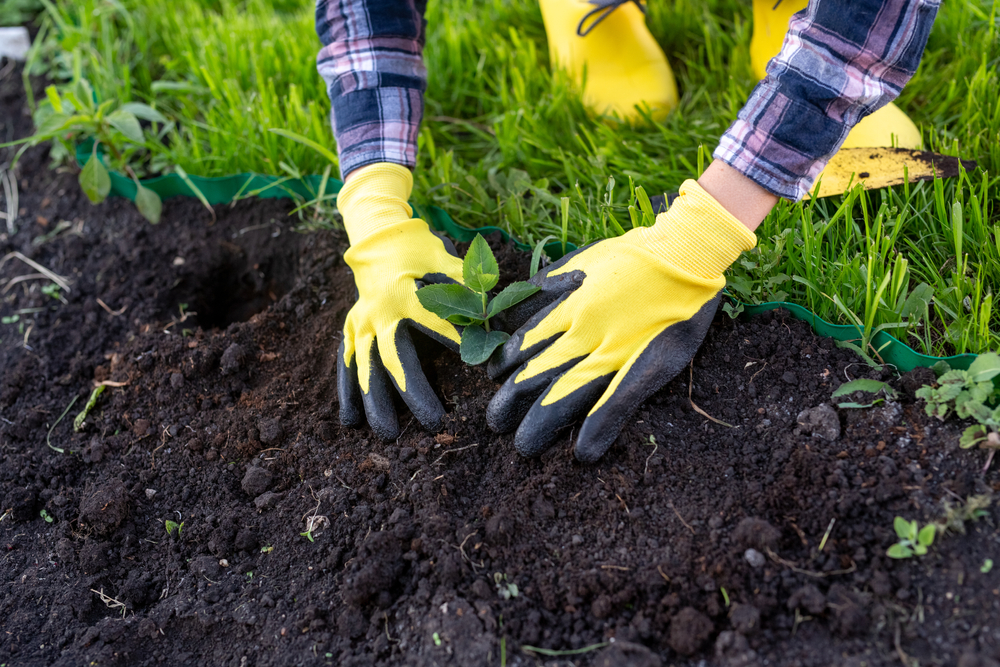
Cold fingers are miserable, but wet, muddy fingers in the frost are even worse. A sturdy pair of gardening gloves protects your hands from sharp twigs, soil, and icy surfaces while giving you enough dexterity to plant seeds and trim shrubs. Look for gloves that are waterproof yet breathable, with reinforced palms for handling heavy pots or shovels. Winter gardening often means more layers of clothing, so gloves that stay snug without cutting circulation are essential. With the right pair, your hands will stay warm, safe, and ready for anything the garden throws at you.
2. Heavy-Duty Pruning Shears
Pruning is crucial in winter to remove dead branches and shape plants for spring growth. Heavy-duty pruning shears are perfect for tackling woody stems without causing unnecessary damage to your plants. Ergonomic designs reduce hand fatigue, especially when you’re making dozens of cuts on frost-hardy bushes. A sharp, reliable pair makes winter pruning feel less like a chore and more like sculpting a living masterpiece. Invest in quality shears, and your garden will thank you with healthier growth and fewer broken branches.
3. Frost Protection Covers
Frost can ruin tender winter vegetables overnight, so frost protection covers are a non-negotiable. Lightweight fabrics or row covers shield plants from freezing temperatures while still allowing light and moisture to reach them. Some covers even double as mini-greenhouses, creating a microclimate that encourages growth despite harsh weather. They’re easy to drape over raised beds, pots, or individual plants, and removal is just as simple when the sun comes out. With frost covers, your garden stays productive even when Jack Frost is lurking.
4. Indoor Grow Lights
Sunlight is scarce during the winter, and many plants struggle without adequate light. Indoor grow lights simulate sunlight, giving your herbs and seedlings the energy they need to thrive. LED grow lights are energy-efficient, adjustable, and can be positioned over a windowsill or tabletop setup. They also allow you to extend your growing season by compensating for short days and cloudy weather. With the right light, even tropical herbs or exotic plants can survive the winter indoors.
5. Sturdy Raised Beds
Winter gardening often involves soggy soil, frost heaving, and compacted ground. Raised beds elevate your plants above these challenges, improving drainage and making it easier to manage soil temperature. They also provide better access for planting, weeding, and harvesting without bending over constantly in the cold. Wood, stone, or composite raised beds can be lined for extra insulation, keeping roots warmer during freezing nights. With raised beds, your winter crops have a fighting chance against the elements.
6. Moisture Meter
It’s easy to either overwater or underwater plants during winter when evaporation rates are low. A moisture meter takes the guesswork out of watering by measuring soil dampness accurately. This tool is particularly useful for potted plants and seedlings, which are more vulnerable to root rot in cold, wet conditions. Checking soil moisture ensures your plants receive exactly what they need without stress or wasted effort. Winter gardening becomes much less stressful when you can trust your watering decisions.
7. Compact Wheelbarrow
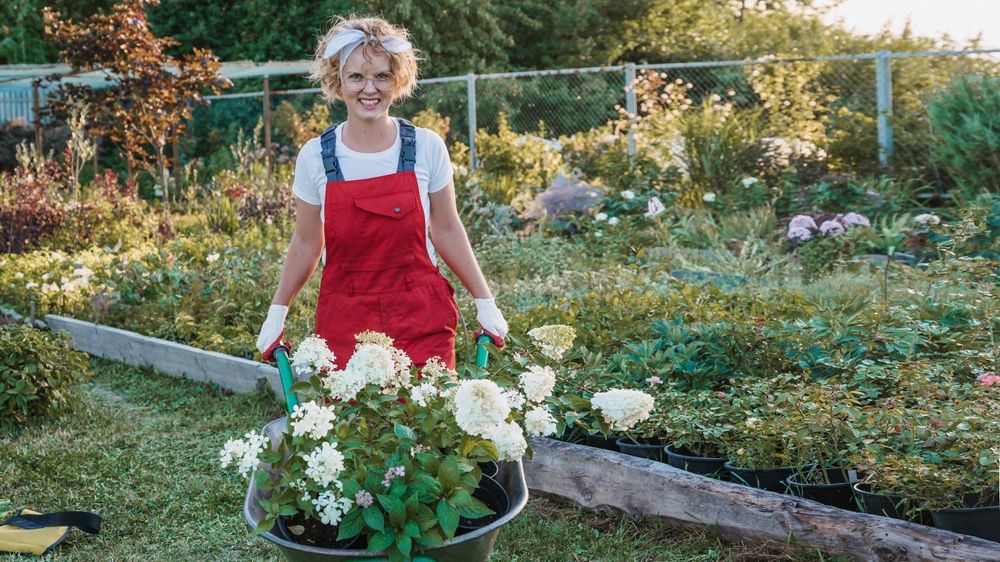
Moving soil, compost, or harvested vegetables can be awkward in the cold, muddy conditions of winter. A compact wheelbarrow provides mobility and reduces strain, making it easier to transport materials around your garden. Winter wheelbarrows should have durable wheels that can handle snow, ice, and slippery surfaces. Even small loads feel manageable when you don’t have to carry everything by hand. With a wheelbarrow, winter gardening stays practical and surprisingly fun.
8. Hand Trowel
Small but mighty, the hand trowel is indispensable for planting bulbs, herbs, or small vegetables. Its precise control allows you to dig, transplant, or aerate soil in confined spaces, such as containers or raised beds. Look for trowels with comfortable grips that won’t dig into your hands during extended work sessions. Metal blades are preferred for durability and efficiency, especially when dealing with cold, compacted soil. A trusty hand trowel makes detailed winter gardening tasks easier and more satisfying.
9. Soil Thermometer
Winter temperatures fluctuate drastically, and soil temperature is crucial for seed germination and root health. A soil thermometer allows you to track temperatures and make informed decisions about planting, mulching, or covering crops. Knowing the soil temperature also helps prevent shock to seedlings and frost-sensitive plants. Accurate readings let you maximize growing potential even in cold months. With this simple tool, you’ll have the confidence to garden efficiently, regardless of the frost.
10. Watering Can With Narrow Spout
Winter watering requires precision to avoid over-soaking or disturbing fragile plants. A watering can with a narrow spout lets you target roots directly without wetting foliage excessively, reducing the risk of fungal diseases. Lightweight but sturdy models are ideal, as carrying water in cold weather can be tiring. They’re also perfect for indoor setups where a hose isn’t practical. With a well-designed watering can, even the chilliest winter days won’t compromise your plant care routine.
11. Mulching Materials
Mulching is one of the simplest yet most effective ways to protect plants in winter. Straw, leaves, bark, or compost can insulate roots, regulate soil temperature, and retain moisture. It also reduces weed growth, which can be surprisingly persistent even in winter. Applying mulch is quick, and the benefits last for months, giving your plants a buffer against the cold. With the right mulch, your winter garden can stay productive and healthy until spring finally arrives.
Gear Up And Grow Through The Cold
Winter gardening can be challenging, but with the right tools, it transforms into a rewarding, even magical activity. Each of these eleven tools—from gloves and pruning shears to grow lights and soil thermometers—plays a key role in keeping your plants happy, healthy, and productive. The key is preparation and awareness: anticipate the challenges, equip yourself properly, and enjoy the unique satisfaction of cultivating life while the world outside rests.
Have you tried winter gardening before, or do you have favorite tools that make the season easier? Share your tips, experiences, and stories in the comments section below.
You May Also Like…
Why Now Is the Time to Sharpen, Oil, and Store Your Garden Tools
9 Cheap Gardening Tools to Transform Your Garden on a Budget
Why You Should Never Skip Cleaning Garden Tools in Autumn
8 Common Garden Tools That Could Be Illegal in Your City
Where to Find Cheap Gardening Tools Without Sacrificing Quality?

Brandon Marcus is a staff writer for FrugalGardening.com at District Media, Inc., where he delivers practical gardening advice with a relatable, no-nonsense style. An avid amateur gardener, he holds a BA degree and with over ten years of professional writing experience, he is also an award-winning published author whose first book, Questions For Deep Thinkers, was released by Adams Media. His work has appeared in major publications including Fandom.com, CHUD.com, TheColdWire.com, and Fansided.com.
Leave a Reply