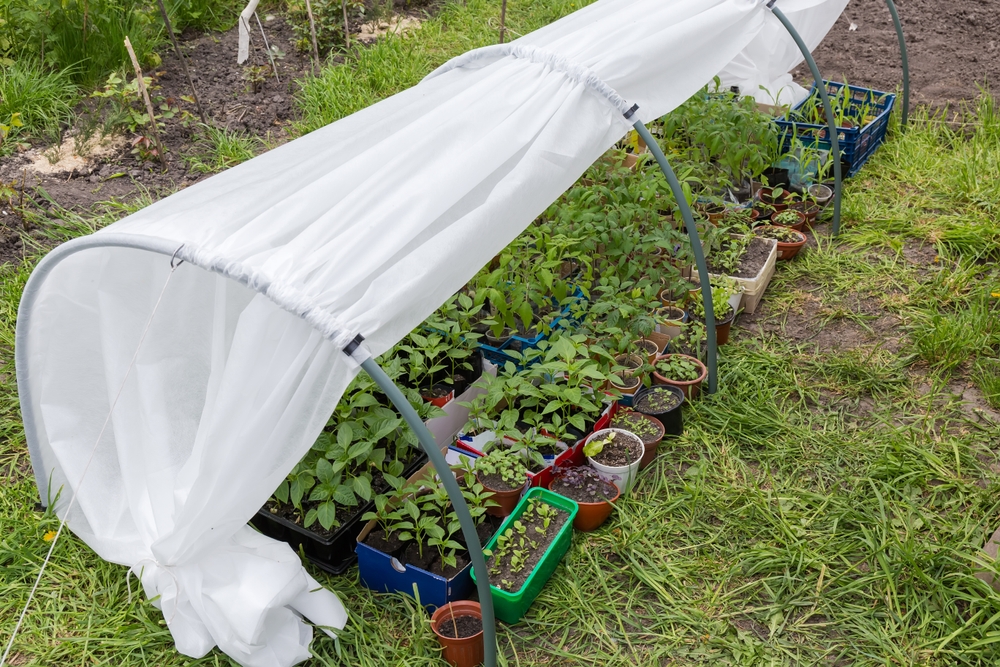
Stepping outside on a frosty morning feels like bending the rules of nature—like you’ve somehow slipped yourself into an exclusive year-round gardener’s club. While everyone else is mourning the end of tomato season and packing away their trowels, you’re still harvesting dinner like it’s May. The secret weapon? A humble but powerful cold frame. Once you learn the magic of this simple structure, winter gardening won’t just be possible—it will become one of your favorite parts of the year.
What Exactly Is a Cold Frame?
A cold frame is basically a small, low-to-the-ground greenhouse with a transparent lid that traps sunlight and warmth. Traditionally, gardeners made them out of old windows, scrap lumber, and creativity, and many still do. The idea is to create a microclimate—a cozy, protected bubble where your plants can shrug off frost and low temperatures. Inside a cold frame, the soil stays warmer, the air feels gentler, and the plants can continue growing slowly but steadily. It’s simple science mixed with a dash of garden magic.
Why Cold Frames Matter Most In Winter
Once temperatures drop and sunlight fades, most backyard gardens slip into dormancy. But a cold frame lets you extend your growing window far beyond what your climate zone normally allows. Instead of shutting down for the season, your greens and roots continue to mature, albeit at a slower pace. This means you can continue to get garden-fresh produce long after the rest of your neighborhood has become grocery-store-bound. It brings joy, flavor, and proud victory to the darkest season of the year.
Best Vegetables To Grow In Cold Frames
Not every vegetable thrives in winter, but cold frames make room for some real cold-weather champions. Leafy greens like spinach, kale, arugula, and mache absolutely adore chilly weather and often taste sweeter in the cold. Root crops such as carrots, radishes, and turnips grow beautifully and store themselves naturally in the cool soil. Hardy herbs like parsley and chives can remain productive for nearly the entire season. The trick is selecting plants that enjoy fresher air, slower growth, and crisp temperatures rather than tropical warmth.
Building Or Buying A Cold Frame
You don’t need to be a master carpenter to build a functional cold frame. Many gardeners make them from recycled windows, plastic lids, or even acrylic sheets on top of hay bales. The key is to angle the lid so it catches sunlight—ideally sloping toward the south. It should also open easily for airflow, because plants need ventilation even in winter. Whether you build one from scratch or purchase a pre-made model, the goal is to keep it simple, sturdy, and well-positioned.
Placement Makes A Huge Difference
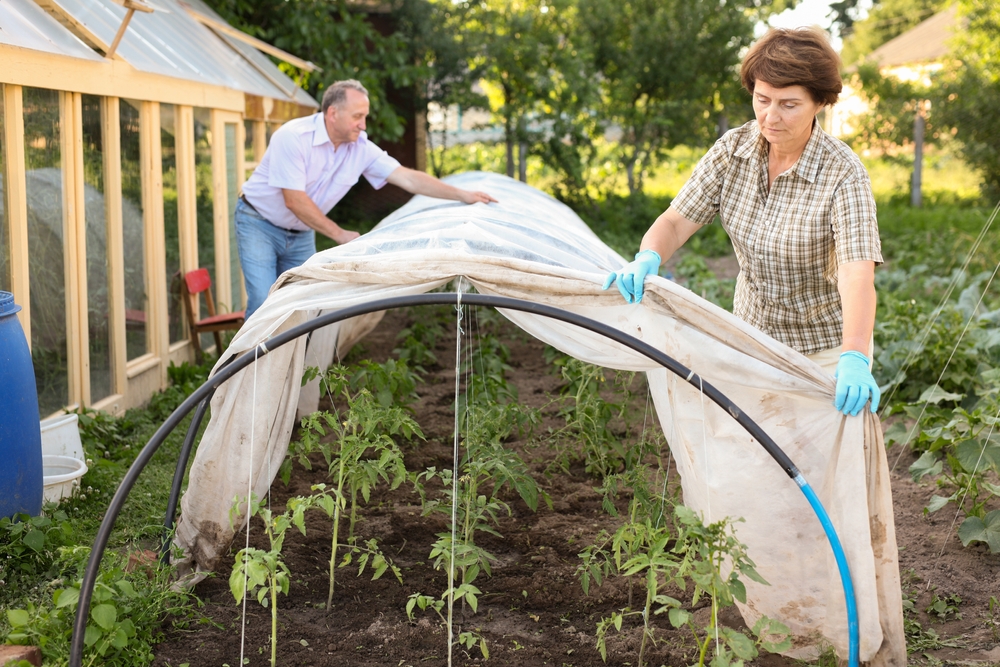
Where you put your cold frame is just as important as what you grow in it. The best location is a sunny spot facing south or southeast, where it can capture morning light and hold warmth through the day. If possible, placing it near a building wall adds extra insulation and wind protection. Avoid areas that get flooded or shaded during the winter months. The more sunlight your cold frame receives, the more your plants will thank you.
The Art Of Managing Heat And Moisture
One of the surprising challenges of cold frames isn’t keeping plants warm—it’s preventing them from overheating. Even on sunny winter days, temperatures inside can climb fast. Opening the lid for ventilation ensures your greens don’t wilt or cook. Watering should also be strategic, since plants need less moisture in cold weather, and soggy soil can lead to rot. It’s a balancing act, but once you get the rhythm, it feels intuitive and even meditative.
Frost Is Not The Enemy
It’s natural to assume that frost will kill everything in sight, but winter-friendly crops are tougher than they look. Many cold-weather vegetables can freeze overnight and then perk up beautifully once the sun rises. The cold frame simply offers just enough protection to buffer extremes. Instead of fighting winter, you’re partnering with it—riding the natural ebb and flow of temperature. It’s gardening with patience rather than urgency, and the results are incredibly satisfying.
Enjoying The Harvest In A Whole New Season
Winter vegetables taste different—not just good, but richer, sweeter, and more complex. Cold weather encourages plants to convert starches into sugars, resulting in flavors that grocery store greens can’t hope to match. Harvesting from a cold frame also carries a sense of adventure and pure joy, like discovering treasure under snow. It reconnects you to the seasons in a deeper way, reminding you that growth never really stops. Winter becomes not an obstacle, but a playground for curious gardeners.
The Season Doesn’t Have To End
You don’t need warm weather to stay connected to your garden—you just need a little ingenuity, a bit of wood or plastic, and the willingness to experiment. Cold frames allow you to keep fresh, living food close at hand even while snow falls around you. They’re simple, affordable, and astonishingly effective. Once you try winter gardening this way, you might find yourself looking forward to cold weather just to use it.
Have you ever tried growing vegetables in winter, or are you planning your first cold frame? Share your thoughts, stories, and questions for others below.
You May Also Like…
- How Cold Nights Improve Carrot Sweetness
- 10 Cold-Hardy Veggies That Thrive When Everyone Else Gives Up
- How Cold Frames Extend More Than Just Lettuce
- 9 Vegetables You Should Still Plant in October
- 8 Root Vegetables That Sweeten After Frost

Brandon Marcus is a staff writer for FrugalGardening.com at District Media, Inc., where he delivers practical gardening advice with a relatable, no-nonsense style. An avid amateur gardener, he holds a BA degree and with over ten years of professional writing experience, he is also an award-winning published author whose first book, Questions For Deep Thinkers, was released by Adams Media. His work has appeared in major publications including Fandom.com, CHUD.com, TheColdWire.com, and Fansided.com.
Leave a Reply