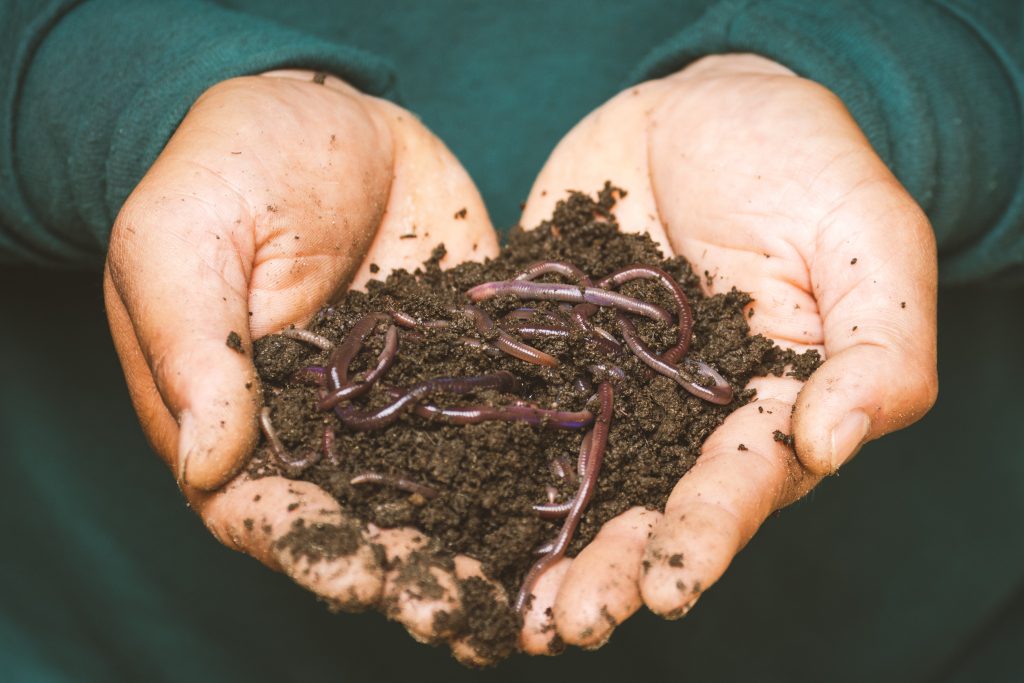
Composting is an economical way to recycle household waste like kitchen scraps and yard refuse (dead leaves, grass clippings, etc.). It requires minimal effort, and in return, you get free fertilizer for your garden!
Using your homemade compost in place of commercial fertilizers is not only cheap, but it’s also better for your garden. Compost delivers nutrients to the soil, conditions it, and increases the overall health of your garden environment. Healthy soil makes for healthy plants!
Traditional composting is a worthwhile endeavor, but if you’re looking for an extremely efficient and effective strategy for turning your kitchen and garden waste into black gold, why not try your hand at vermicomposting?
With the help of hungry worms, you can convert organic material into a nutrient-filled medium for your garden.
How To Get Free Garden Worms
If you’re starting your compost pile, worms won’t immediately be present. It’s possible to purchase red wigglers to add to your bin, but if you’re on a tight budget or simply want to save some money, try the following to attract free worms to your compost area:
- Feed them. Continually add kitchen scraps to your compost pile or bin. As they munch and crunch on the kitchen waste, they leave behind castings (worm poop), which is excellent for your garden.
- Sprinkle cornmeal. Whether you want to attract worms to your garden or compost, use cornmeal to bring forth the worms.
- Add ground-up eggshells. This is a bit of a controversial suggestion, but some swear by it. Shells help worms digest their food. The drawback is that eggshells don’t break down like other types of kitchen waste. Always grind them up, don’t add them in chunks.
If you’re trying to attract worms to add to your elevated compost bin and want to transfer caught worms, it’s possible to fashion a type of worm trap using a bucket.
Drill some holes into the bottom of a bucket and pop it into a shallow hole you’ve dug in the ground. Fill the bucket with food for hungry worms (fruit and vegetable scraps are a good choice). Add a bit of soil and cover with some type of lid. The lid keeps other critters from getting into the trap. Continue to add food scraps, and over time, you’ll find yourself with a sizeable worm population that can go straight into your compost pile.
What worms don’t like
You can add all the worms you want to your garden or compost, but they won’t stick around very long in an inhospitable environment. Here’s what to avoid when attempting to attract worms to your garden and compost bin:
- Keep the chemical fertilizers and pesticides to a minimum or banish them altogether.
- Try to minimize how often you till the soil to prevent disturbing these little creatures.
- Use organic mulches in place of synthetic options.
- Avoid overwatering. Whether you’re moistening your compost pile or watering your thirsty plants, be careful not to flood out resident worms. Underwatering is also a no-no.
An Important Note
The worm you catch this way may not all be red wigglers, however, but it’s doubtful that you’ll introduce any harmful bugs into your compost this way.
Some things that attract worms also attract pests (rats, flies, etc.). If adding worm bait to your compost or DIY trap, be sure to properly secure the lid to prevent other critters from finding their way inside.
Note that in most cases, worms will find their way into your garden and compost bin if the conditions are right. If you see worms hanging around, it’s a good sign!
Want a visual guide to building a DIY worm farm? Watch this video that demonstrates how to create your own worm trap and catch worms for free without having to spend a dime.

Steph Coelho is a freelance writer gardening in zone 5b. She is a certified Square Foot Gardener and has taught various garden-related workshops. When she’s not digging in the dirt or writing, she’s cooking up fresh produce, running, or listening to her favorite podcasts.
Leave a Reply