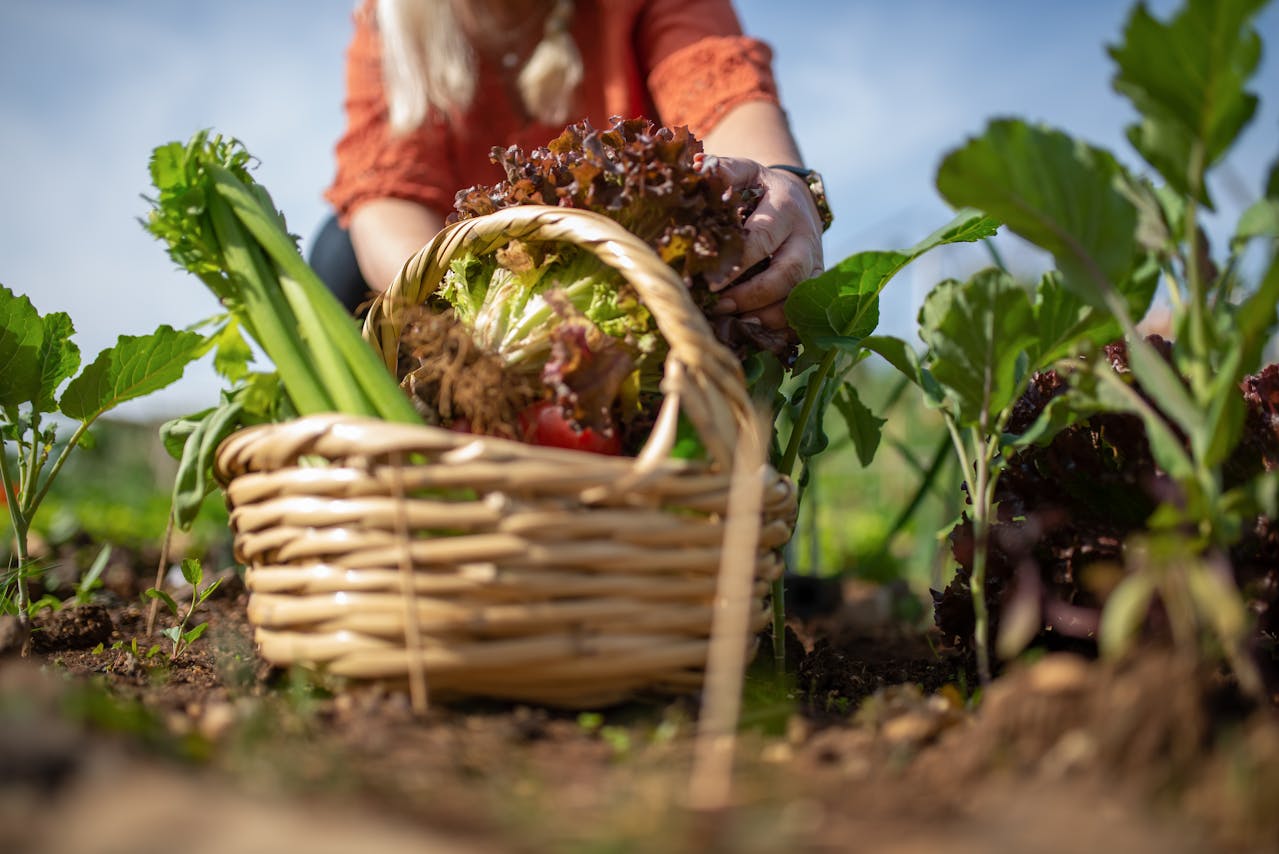
With grocery prices climbing and fresh produce often short-lived, starting your own budget-friendly grocery garden can be a smart way to save money and enjoy fresh food year-round. And the best part? You don’t need a big yard or a big budget. In fact, you can start a simple and productive garden for under $20. With the right seeds, supplies, and gardening tips, you can get started in no time on your grocery garden.
Step 1: Choose High-Yield, Low-Cost Crops
The key to building a grocery garden on a tight budget is picking crops that grow quickly. You’ll also want to choose fruits and vegetables that produce multiple harvests. Many of these choices can be started from seeds or kitchen scraps. Here are a few crops to consider:
- Green onions – These can easily be regrown from store-bought ones.
- Lettuce – It’s quick to regrow from its base, and it’s great for container gardening.
- Radishes – They are typically ready in under a month and are very low maintenance.
- Bush beans – They are compact, productive, and easy to grow from their seed.
- Basil or parsley – Both these herbs grow well in small spaces.
Seed packets at discount stores often cost $0.25–$1 each, and some plants like green onions or lettuce can start from what’s already in your fridge. So, these crops won’t set you back a lot of money. Plus, they are all great additions to any dish and will add freshness to your cooking.
Step 2: Use Free or Recycled Containers
Don’t waste money on expensive pots. Instead, you can reuse things like yogurt containers, milk cartons, egg cartons, and takeout trays. Just poke drainage holes in the bottom using a screwdriver, nail, or scissors. Reusing containers will cost you $0 and is eco-friendly!
Step 3: Source Soil for Free or Cheaply
Good soil is essential, but you don’t need to buy expensive bags. There are several options for finding good soil. First, check Facebook Marketplace or local Buy Nothing groups for free soil or compost. You can also make your own mix with garden soil or topsoil. A small bag will cost you about $5. You can also use food scraps composted at home. Add shredded paper or leaves for structure. It’s a good idea to start small because you might not need more than one $5 bag for all your containers.
Step 4: Regrow from Scraps
No seeds? No problem. You can regrow a surprising number of grocery items. Green onions can be regrown by putting the white root base in water and watching it grow. Romaine lettuce or celery can be placed in shallow water and then transferred to the soil. Garlic will regrow if you plant individual cloves. To regrow potatoes, just use the sprouted pieces. There are so many options! These regrown veggies cost nothing and teach valuable gardening basics.
Step 5: Water Smart
No need for fancy watering cans. You can use old juice bottles or milk jugs to get the job done. You can save additional money on your water bills by using water saved from rinsing vegetables or boiling pasta, once it’s cooled. Even a small garden needs regular watering, so try to get creative with reuse.
Gardening Tips for Your Grocery Garden
Once you choose your crops and have the right supplies, it’s time to put your gardening skills to the test to grow your grocery garden. Here are a few tips:
- Sunlight is key: Place containers where they get at least 6 hours of sun.
- Start small: Focus on a few plants to learn and grow from there.
- Label everything: This helps you track harvest dates and plant types.
- Use what you have: Creativity is your biggest asset.
Building a Grocery Garden on a Budget
Starting a grocery garden doesn’t require a green thumb or deep pockets, just a little time, sunlight, and some ingenuity. With less than $20, you can grow food, cut your grocery bill, and learn a valuable life skill. So grab a few seeds, raid your recycling bin, and start growing your own meals, one container at a time.
Read More
The 8 Easiest Vegetables to Grow (Even If You’ve Killed Every Plant Before)
7 Low-Maintenance Flowers That Thrive With Little Water

Teri Monroe started her career in communications working for local government and nonprofits. Today, she is a freelance finance and lifestyle writer and small business owner. In her spare time, she loves golfing with her husband, taking her dog Milo on long walks, and playing pickleball with friends.
Leave a Reply