• Skip to primary navigation
  • Skip to main content
  • Skip to primary sidebar

Frugal Gardening

Simple ways to save money while you garden

  • About
  • Contact Us
  • Garden Frugally
  • Buy These
  • Our Editorial Commitment
  • Navigation Menu: Social Icons

    • Facebook
    • Pinterest
    • Twitter

4 Reasons to Plant Flowers in and Around Your Vegetable Garden

August 19, 2019 by Steph Coelho Leave a Comment

For a long time, I thought planting flowers was a pointless and frivolous gardening activity. Sure, they looked nice, but I was much more interested in growing food. Being able to grow frequently eaten foods such as lettuce, tomatoes, and arugula, meant that my grocery bills were lower, and I was even able to share excess produce with friends and family. Growing produce is still the focus of my gardening efforts, but now, I put equal effort into cultivating a balanced ecosystem that includes flowering plants. 

Why plant flowers?

Aesthetic: There’s no denying that a patch of flowers around the garden looks beautiful. Well placed flowering plants pull together an outdoor space and really allow it to shine. A few containers of brightly colored gerberas on my back deck add a look I couldn’t otherwise achieve with simple greenery. 

Attract pollinators: Flowers are an essential food source for many pollinators, and the colorful blooms will bring bees and other buzzing beneficial insects to the fray. Pick native flowering plants, and each time you step into your outdoor space, you’ll notice that your garden is vibrating with energy. 

Attract predatory insects: Some flowering herbs and plants also attract predatory insects that can help you take a bite out of pest problems — and even avoid them altogether. Catmint, for instance, attracts lacewing insects, which in turn devour pests such as aphids and Japanese beetles. The tiny flowers on this herb also attract bees. 

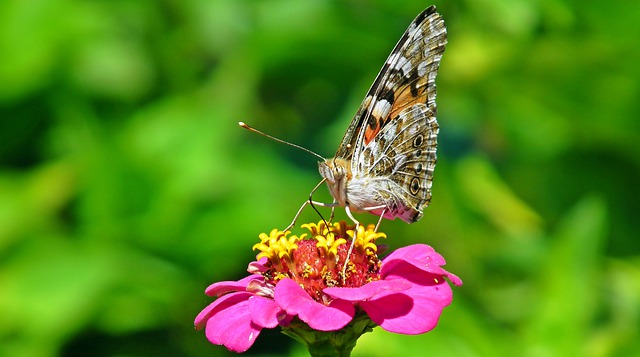
Enjoy cut flowers for free: If you’re anything like me, you love having a bouquet of fresh-picked flowers on your coffee table or kitchen windowsill. It’s a beautiful way to bring the outdoors inside, but buying plants from a flower shop is an expensive purchase that most frugal gardeners aren’t able to afford. Even those with a sufficient budget to buy cut flowers are wary of spending money on this type of expense. Planting flowers in your garden allows you to have a steady supply of cut flowers for your home. My favorite are zinnias. Start a few indoors, transplant in the spring and in mid- to late summer you’ll be rewarded with a prolific patch of delicate and colorful blooms. 

Annual versus perennial

Plant a variety of flowers including perennial and annual varieties to ensure you have a varied array of blooms. I like to cover the bulk of my flower-designated areas with perennials since they’re low maintenance and don’t require me to purchase new seed each year. I do enjoy planting a few annual varieties (zinnias, for example), though. Don’t be afraid to ask nursery employees for suggestions on what to plant. 

When in doubt, pick drought-tolerant perennials, and you can enjoy a flowery display without too much effort! 

Photograph of Steph Coelho.
Steph Coelho

Steph Coelho is a freelance writer gardening in zone 5b. She is a certified Square Foot Gardener and has taught various garden-related workshops. When she’s not digging in the dirt or writing, she’s cooking up fresh produce, running, or listening to her favorite podcasts.

Filed Under: Uncategorized Tagged With: flowers, Vegetable Garden

Previous Post: « The No-Cost Way to Increased Tomato Yields: Pruning
Next Post: Cooking on the Cheap: Snacking from Your Garden »

Reader Interactions

Leave a Reply Cancel reply

Your email address will not be published. Required fields are marked *

Primary Sidebar

Struggling to get your garden off the ground? Put those days behind you with our special starter kit – perfect for thrifty green thumbs everywhere. Get growing and add a splash of color today!

Popular Posts

  • usda free seeds websiteHow To Get Free Seeds From The Government by Amanda Blankenship Seeds might seem like a small expense, but any seasoned…
  • Enviro Ice On PlantsShould I Use Enviro Ice On My Plants? by Kathryn Vercillo Every week, I receive food from Hungryroot. It's a great…
  • is shredded paper good for the gardenFrom Trash to Treasure: Transform Shredded Paper Into Garden Gold by Amanda Blankenship Should you use shredded paper as garden mulch? It might…
  • Enviro IceWhat Happens to Plants If You Use Enviro Ice on Them? by Amanda Blankenship About a year ago, I wrote our first article about…
7 Plants That Could Be Damaging Your Home’s Foundation

7 Plants That Could Be Damaging Your Home’s Foundation

A beautiful yard can boost curb appeal, increase property value, and create an outdoor space that feels welcoming year-round. However, not every attractive plant makes a good neighbor to a house. Some species hide an aggressive side below the soil, where roots spread far beyond what most homeowners expect. Foundation repairs can cost thousands of…

Read More

Why So Many Gardeners Are Ditching Traditional Lawns in 2026

Why So Many Gardeners Are Ditching Traditional Lawns in 2026

Across neighborhoods in 2026, something unusual is happening in plain sight. Perfect green lawns no longer dominate curb appeal contests the way they once did. Instead, homeowners are swapping grass-heavy yards for creative, practical, and environmentally smart landscapes. These changes reflect more than design trends because they also reveal shifting priorities around cost, time, and…

Read More

8 Foods You Can Regrow From Grocery Store Scraps

8 Foods You Can Regrow From Grocery Store Scraps

Fresh food does not always need a seed packet, a garden center trip, or a complicated setup. Some of the most useful ingredients in the kitchen can grow again right from leftover scraps sitting on the cutting board. This simple approach turns food waste into fresh produce and stretches grocery dollars further than most people…

Read More

9 Vegetables That Produce the Most Food for the Least Money

9 Vegetables That Produce the Most Food for the Least Money

Fresh vegetables can cost a small fortune these days, especially when grocery prices seem determined to climb higher every season. A single packet of seeds often costs less than one store-bought vegetable, yet that tiny packet can produce pounds of food over several months. For gardeners looking to stretch their food budget, choosing the right…

Read More

  • About
  • Contact Us
  • Garden Frugally
  • Buy These
  • Our Editorial Commitment
  • Navigation Menu: Social Icons

    • Facebook
    • Pinterest
    • Twitter
  • Facebook
  • Pinterest
  • Twitter

Copyright © 2026 · Foodie Pro & The Genesis Framework