• Skip to primary navigation
  • Skip to main content
  • Skip to primary sidebar

Frugal Gardening

Simple ways to save money while you garden

  • About
  • Contact Us
  • Garden Frugally
  • Buy These
  • Our Editorial Commitment
  • Navigation Menu: Social Icons

    • Facebook
    • Pinterest
    • Twitter

Companion Planting: A Brief Introduction

December 27, 2022 by Ali Southerland Leave a Comment


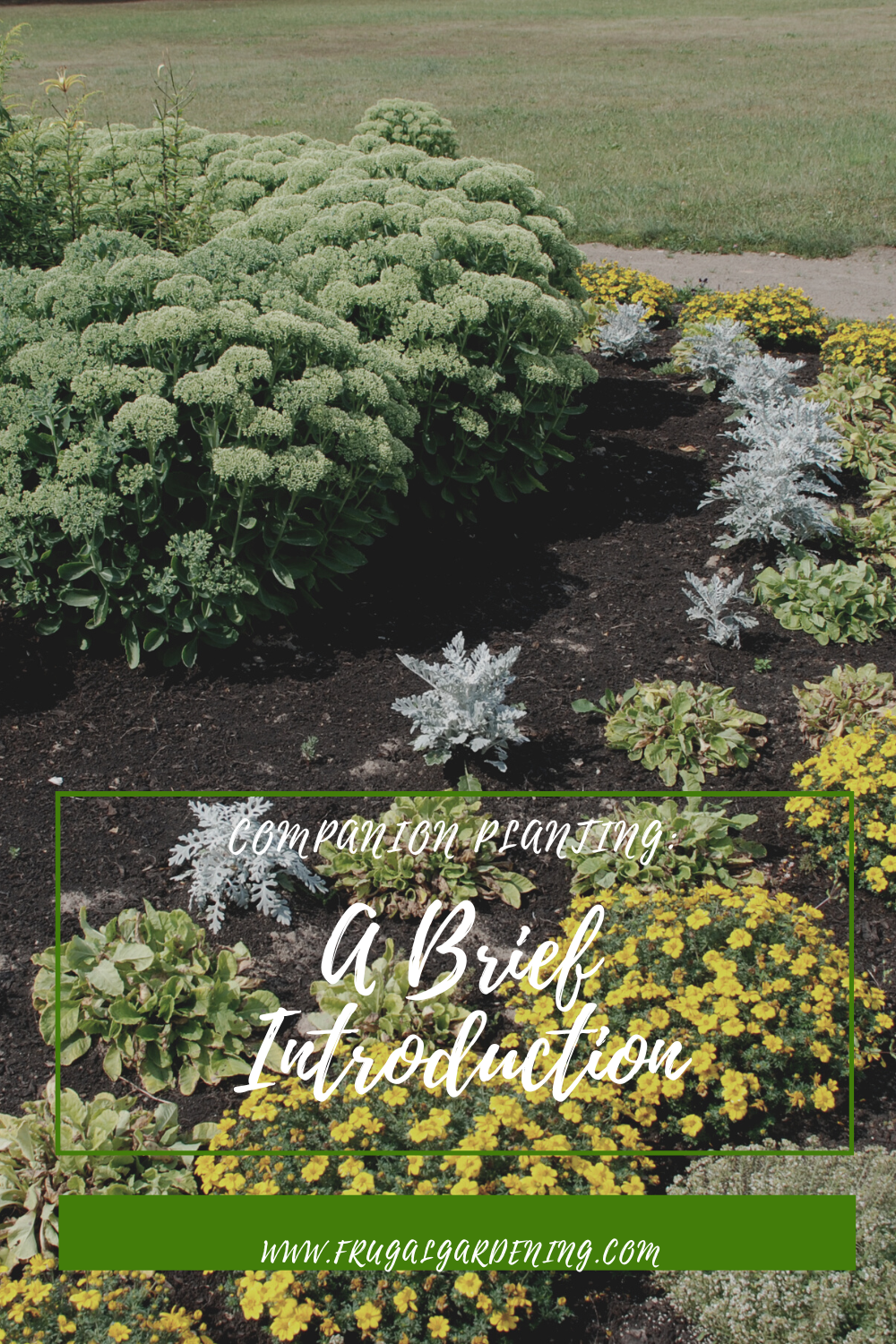
Companion planting is the practice of planting certain plants close to each other that benefit one another.

It’s an easy way to reduce garden labor, use less fertilizer, and grow healthy plants.

Companion Planting: Sources are Important

Before I give you some tips for companion planting, I caution that a significant portion of companion advice on the internet needs to be backed up by science. Some of the advice comes from folklore, people’s personal experiences, or tradition. Other advice is straight-up quackery.

Botanists and agricultural scientists are exploring which companion planting combinations offer benefits. They are finding great pairings that can reduce insect activity, share nitrogen, and improve soil quality.

Carefully review your sources before companion planting to ensure you don’t accidentally sow plants that are detrimental to each other too close to one another.

Classic Example of Companion Planting: Three Sisters Grouping

For generations, several groups of indigenous cultures of the Americas would plant corn, beans, and squash together. This grouping is called The Three Sisters because they do better when grown together.

Beans are nitrogen fixers, meaning they can absorb nitrogen from the environment and then secrete excess nitrogen as compounds that other plants can use.

The giant leaves of the squash prevent sunlight from reaching the soil, keeping the roots cool and preventing weed growth.

And the strong corn stalk is the perfect stake for growing beans.

This is a perfect example of how growing certain plants together can support each other and reduce the need for human labor in the garden.

Helpful Companion Planting Pairings

Below I outline a few beneficial companion pairings. If you have anything to add to the list, please leave us a comment below!

Cucumbers and Tomatoes

Cucumbers act as living mulch to prevent weed growth.

This happens in 2 ways.

First, the broad shape and size of the cucumber leaves block out the light preventing germination of weed seeds. This also help keep the roots cool.

Second, cucumber roots excrete allelpathic compounds that keep weed seeds from germinating. This means that you should not sow tomato seeds among cucumber plants, but instead transplant seedlings.

Green Beans and Potatoes

Green beans fix small amounts of nitrogen that it shares with the potato plants, increasing the size of the potatoes.

You can achieve this outcome in 2 ways. You can plant alternate rows of potatoes and green beans or you can plant alternate plants in the same row.

Sweet Alyssum and Lettuce

Sweet Alyssum attracts flies and wasps that feeds on aphids and other small insects. Plant sweet alyssum in the rows between the rows of lettuce or as a border around your lettuce patch.

Bonus Plant: Marigolds

Marigolds don’t get enough credit. They are cheap, beautiful and help deter tons of harmful bugs like aphids because marigolds attract beneficial insect like parasitic wasps and ladybugs. They may also secrete compounds that help protect the roots of nearby plants from parasites.

Conclusion

Companion planting is a great way to reduce labor and grow healthier plants, but it is a discipline that does not have a lot of scientific research available so be ware of suspicious advice.

Read More:

Tips to Prevent Winter Plant Damage

Gardens Add Life and Equity to Your Home

Troubleshooting the Seed Starting Process: Using Old Seeds

Ali Southerland

Ali is a homeschooling mom of 5 who includes gardening and food prep as important subjects in her school. She has been raising plants her whole life and learned how to garden from her father. When she isn’t caring for her plants, she can be found reading or hiking.

Filed Under: garden tips Tagged With: companion planting, evidence based gardening, planting pairings

Previous Post: « Gift Exchange Ideas With Fellow Gardeners
Next Post: 9 New Year’s Resolutions for Gardeners »

Reader Interactions

Leave a Reply Cancel reply

Your email address will not be published. Required fields are marked *

Primary Sidebar

Struggling to get your garden off the ground? Put those days behind you with our special starter kit – perfect for thrifty green thumbs everywhere. Get growing and add a splash of color today!

Popular Posts

  • usda free seeds websiteHow To Get Free Seeds From The Government by Amanda Blankenship Seeds might seem like a small expense, but any seasoned…
  • Enviro Ice On PlantsShould I Use Enviro Ice On My Plants? by Kathryn Vercillo Every week, I receive food from Hungryroot. It's a great…
  • is shredded paper good for the gardenFrom Trash to Treasure: Transform Shredded Paper Into Garden Gold by Amanda Blankenship Should you use shredded paper as garden mulch? It might…
  • Enviro IceWhat Happens to Plants If You Use Enviro Ice on Them? by Amanda Blankenship About a year ago, I wrote our first article about…
7 Plants That Could Be Damaging Your Home’s Foundation

7 Plants That Could Be Damaging Your Home’s Foundation

A beautiful yard can boost curb appeal, increase property value, and create an outdoor space that feels welcoming year-round. However, not every attractive plant makes a good neighbor to a house. Some species hide an aggressive side below the soil, where roots spread far beyond what most homeowners expect. Foundation repairs can cost thousands of…

Read More

Why So Many Gardeners Are Ditching Traditional Lawns in 2026

Why So Many Gardeners Are Ditching Traditional Lawns in 2026

Across neighborhoods in 2026, something unusual is happening in plain sight. Perfect green lawns no longer dominate curb appeal contests the way they once did. Instead, homeowners are swapping grass-heavy yards for creative, practical, and environmentally smart landscapes. These changes reflect more than design trends because they also reveal shifting priorities around cost, time, and…

Read More

8 Foods You Can Regrow From Grocery Store Scraps

8 Foods You Can Regrow From Grocery Store Scraps

Fresh food does not always need a seed packet, a garden center trip, or a complicated setup. Some of the most useful ingredients in the kitchen can grow again right from leftover scraps sitting on the cutting board. This simple approach turns food waste into fresh produce and stretches grocery dollars further than most people…

Read More

9 Vegetables That Produce the Most Food for the Least Money

9 Vegetables That Produce the Most Food for the Least Money

Fresh vegetables can cost a small fortune these days, especially when grocery prices seem determined to climb higher every season. A single packet of seeds often costs less than one store-bought vegetable, yet that tiny packet can produce pounds of food over several months. For gardeners looking to stretch their food budget, choosing the right…

Read More

  • About
  • Contact Us
  • Garden Frugally
  • Buy These
  • Our Editorial Commitment
  • Navigation Menu: Social Icons

    • Facebook
    • Pinterest
    • Twitter
  • Facebook
  • Pinterest
  • Twitter

Copyright © 2026 · Foodie Pro & The Genesis Framework