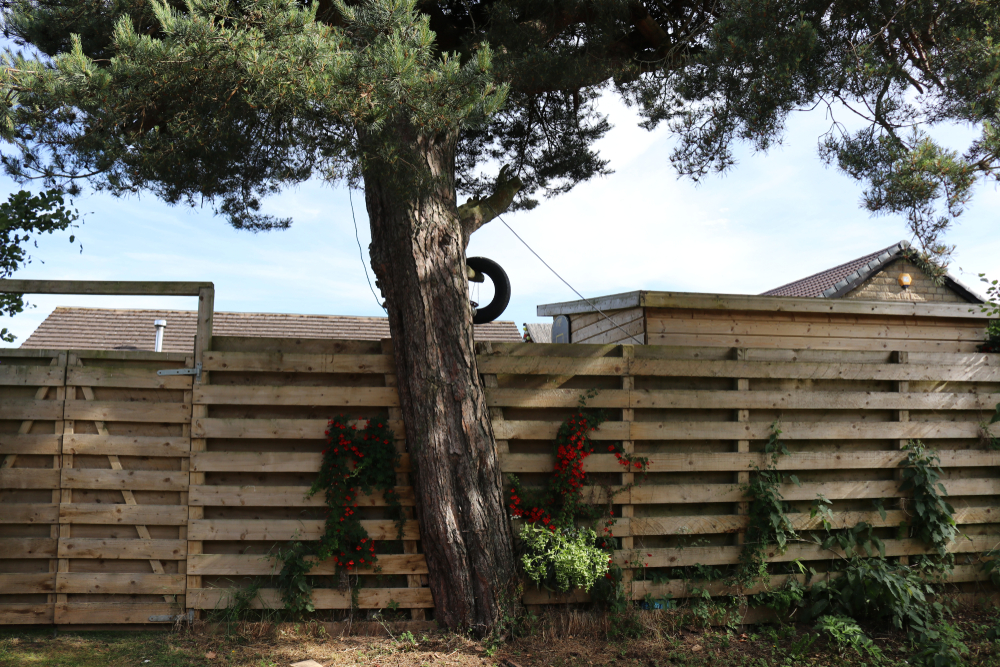
You come home from work and notice something disturbing: your neighbor has cut several large branches off the beautiful shade tree you’ve spent years caring for. They explain that the branches were hanging over their fence, so they had every right to remove them. But weeks later, your tree begins dropping leaves, developing dead limbs, or showing signs of serious stress. Now you’re wondering whether your neighbor crossed a legal line and who will pay if the tree dies.
Neighbor tree trimming laws can be surprisingly complicated, especially when branches cross property boundaries. While neighbors generally have certain rights to trim overhanging vegetation, those rights aren’t unlimited. In some circumstances, damaging or killing someone else’s tree can lead to substantial financial liability.
Your Neighbor Usually Has the Right to Trim Overhanging Branches
One of the most misunderstood aspects of property ownership is that your tree’s branches don’t necessarily have the same legal protections once they extend into someone else’s yard. According to the Texas State Law Library, property owners generally have the right to trim branches and roots that cross their property boundaries, although local rules may impose additional restrictions. This principle, often called the right of self-help, allows neighbors to address encroaching vegetation without necessarily obtaining the tree owner’s permission. For example, if your oak tree extends 10 feet over your neighbor’s driveway, they may be permitted to trim the overhanging portion back to the property line. However, having the right to prune certain branches doesn’t give someone unlimited authority to damage the entire tree.
Cutting Beyond the Property Line Can Create Legal Problems
Your neighbor’s trimming rights generally end at the boundary separating your properties. The Georgia Attorney General’s Consumer Protection Division explains that neighbors may trim encroaching limbs but cannot trespass onto someone else’s property or damage the tree while doing so. That means someone generally cannot enter your yard without permission and begin removing branches simply because they dislike the tree’s appearance. Even when a branch extends over a fence, cutting farther into the canopy than necessary may create legal complications. Understanding neighbor tree trimming laws is especially important when a large tree has branches extending across several properties.
Your Neighbor Could Be Responsible if the Tree Dies
Here’s where the situation becomes particularly serious: legally trimming an overhanging branch doesn’t necessarily protect someone from liability if their actions kill the tree. Property owners who improperly prune neighboring trees may face lawsuits for resulting damage. Similarly, wrongful damage to another person’s tree can create grounds for financial compensation under state law. However, proving responsibility may require evidence that the pruning caused the tree’s decline rather than drought, disease, age, or another unrelated condition. If your tree begins deteriorating after a neighbor’s aggressive pruning, documenting the damage and obtaining a professional assessment can be critical.
Removing Too Many Branches Can Seriously Stress a Tree
Improper pruning isn’t merely an appearance issue because branches and leaves are essential to a tree’s ability to produce energy through photosynthesis. Removing large portions of the canopy can reduce energy production, expose previously shaded bark to intense sunlight, and leave wounds vulnerable to decay. Trees already struggling with drought, compacted soil, or disease may be particularly susceptible to additional stress after excessive cutting. The University of Georgia Cooperative Extension recommends communication and professional guidance when neighbors disagree about pruning trees that cross property lines. A certified arborist can evaluate whether the pruning threatens the tree’s long-term health and recommend steps that may improve its chances of recovery.
A Dead Tree Could Be Worth More Than You Think
If your neighbor’s actions destroy a mature tree, compensation may involve considerably more than the price of a replacement sapling. Large trees provide shade, privacy, landscaping value, and environmental benefits that can take decades to recreate. Courts may consider restoration costs, diminished property value, and other recognized measures when evaluating tree damage. Some states also allow enhanced damages for certain wrongful tree-cutting violations, potentially increasing the amount a responsible party must pay. However, compensation depends on applicable state law, the circumstances of the damage, and evidence establishing the tree’s value.
The Tree’s Location Can Change Who Owns It
Before accusing your neighbor of damaging your property, make sure you know exactly where the tree legally stands. In many jurisdictions, a tree whose trunk grows entirely on one property belongs to that landowner, even when its branches extend into neighboring yards. However, a tree whose trunk straddles a boundary may be considered jointly owned, creating additional restrictions on cutting or removal. The University of California’s guide to tree disputes explains how trunk location and boundary ownership can affect the legal rights of neighboring property owners. If the tree sits close to the property line, reviewing a reliable survey may help resolve ownership questions before the disagreement escalates.
Here’s What to Do if Your Neighbor Damages Your Tree
If you discover significant pruning damage, start by taking clear photographs of the tree, cut branches, surrounding property, and any remaining debris. Preserve older photographs showing the tree’s condition before the work, along with messages or conversations about the trimming. Next, consider hiring an ISA Certified Arborist to assess the tree’s health, identify potential causes of decline, and document whether the cuts were consistent with accepted pruning practices. If the damage appears substantial, review local ordinances and speak with an attorney familiar with property disputes before demanding compensation. Following these steps can help establish what happened while giving the tree the best possible opportunity to recover.
Sometimes Your Neighbor Has a Legitimate Safety Concern
Not every disagreement over tree trimming begins with an unreasonable neighbor or careless landscaping decision. A large branch hanging over a roof, driveway, or frequently used walkway may create a legitimate concern, particularly when it shows signs of decay or structural weakness. The University of Florida IFAS Extension explains that responsibility for hazardous or dead branches can differ from the rules governing healthy vegetation. If your tree poses a foreseeable danger to neighboring property, ignoring documented concerns could create separate liability issues if the tree later causes damage. Having a qualified arborist evaluate potentially dangerous limbs can help both property owners address safety concerns without unnecessarily harming the tree.
9 Written Agreement Could Prevent an Expensive Dispute
The easiest way to avoid a legal battle over neighbor tree trimming laws is often to discuss the problem before anyone picks up a chainsaw. The University of Georgia Cooperative Extension recommends that neighbors communicate about overhanging limbs and establish written agreements before hiring someone to perform tree work. For example, both homeowners might agree to hire a certified arborist who can remove problematic branches without compromising the tree’s structural stability. They can also discuss how expenses will be divided, which branches need attention, and whether local permits are required. A simple conversation and documented plan could protect a valuable tree while preserving a neighborly relationship.
Your Tree Has Rights, but So Does Your Neighbor
When a neighbor cuts branches from your tree, determining responsibility isn’t always as simple as identifying who owns the trunk. Property owners generally have some authority to trim vegetation extending into their yards, but that authority may come with important limits designed to prevent unnecessary damage. If improper pruning causes serious injury or death, the person responsible could face financial consequences depending on state law and the available evidence. Before taking legal action, document the tree’s condition, consult a qualified arborist, and learn how neighbor tree trimming laws apply where you live. Protecting your landscaping investment starts with understanding both your property rights and your neighbor’s legitimate concerns.
Have you ever had a neighbor cut branches off your tree without asking, or have you dealt with a tree extending into your own yard? Share your experience in the comments!
What to Read Next
Your Neighbor’s Bamboo Is Spreading Into Your Yard — What Can You Do?
Leave a Reply