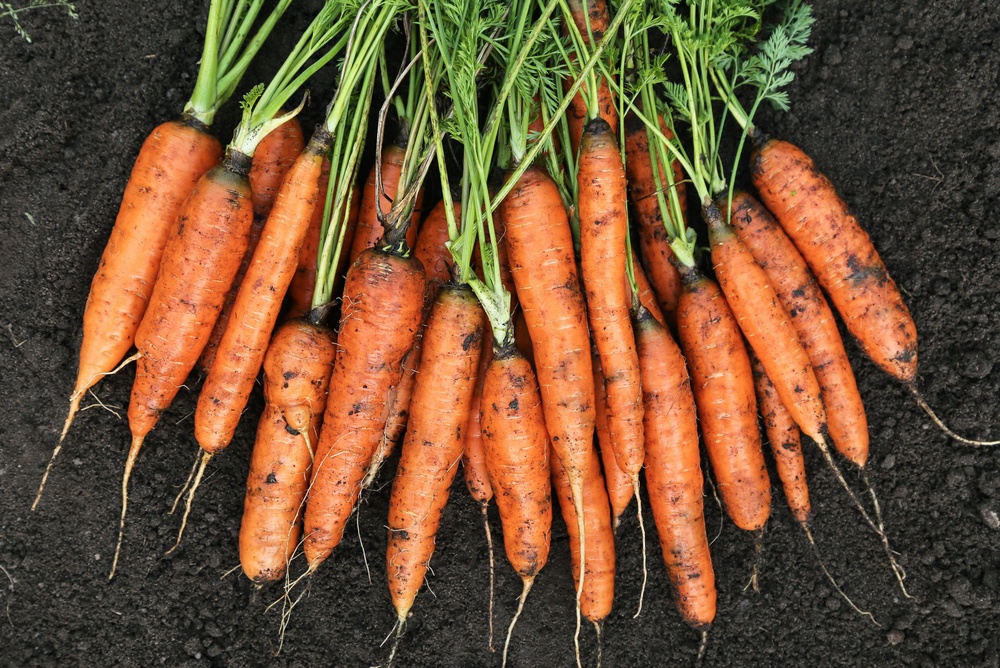
Your summer garden might be winding down, but those empty vegetable beds could still have something to offer. Carrots are one of the more rewarding cool-season crops because they tolerate chilly temperatures, store well, and can develop excellent flavor during autumn. However, getting them established before the ground becomes too cold requires a little more planning than simply scattering seeds into the soil.
Unlike radishes that can mature in just a few weeks, most carrots need considerably longer to develop usable roots. According to the University of Maryland, many varieties take approximately 65 to 75 days to mature, and fall planting should generally begin 10 to 12 weeks before the first expected frost. Learning how to grow carrots in fall can help gardeners make better use of existing beds, avoid wasted seed purchases, and potentially enjoy homegrown vegetables well into winter.
Check Your Frost Date Before Planting Anything
The biggest mistake gardeners make with fall carrots is assuming that cold tolerance means the plants can grow quickly in freezing weather. Although established carrots can survive light frosts, germination and root development slow considerably as soil temperatures and daylight hours decline. Recommendations say that planting fall carrots approximately 10 to 12 weeks before the first expected frost provides enough growing time. In northern states, that often means sowing seeds during July or August, while some warmer southern regions have planting windows extending into September or later. If you’re starting in October, check local planting recommendations carefully because it may already be too late for a substantial outdoor harvest in your area.
Choose Shorter Carrot Varieties for Better Results
Selecting the right variety is especially important when learning how to grow carrots in fall, particularly if your growing season is limited. Long varieties such as Imperator carrots need deep, loose soil, while shorter types are often more forgiving in raised beds or gardens with heavier soil. NC State identifies Parmex, a small round carrot, as a variety that can mature in approximately 50 days under favorable conditions. Other options include Short ‘n Sweet, which typically takes around 68 days, and Scarlet Nantes, which generally requires approximately 70 days. Before purchasing seeds, compare the variety’s maturity estimate with your remaining growing window and remember that cold weather may extend the actual harvest date.
Prepare Loose Soil So Roots Can Grow Straight
Carrots need room to develop underground, which makes soil preparation more important than it is for many leafy vegetables. According to Iowa State University, compacted or rocky soil can cause carrots to become forked, twisted, or stunted. Remove stones, break up large clumps, and loosen the planting area to accommodate the expected length of your chosen variety. If your existing soil is heavy clay, consider growing shorter carrots in an established raised bed rather than purchasing large quantities of expensive soil amendments. Avoid adding fresh manure or excessive nitrogen fertilizer because these can encourage leafy growth at the expense of healthy root development.
Sow Seeds Directly Instead of Starting Transplants
Unlike tomatoes and peppers, carrots generally don’t respond well to being transplanted because their delicate taproots begin developing early. The University of Minnesota recommends sowing carrot seeds directly into the garden rather than starting them in pots. Plant seeds approximately one-quarter to one-half inch deep, cover them lightly with fine soil, and keep the planting area consistently moist. Carrot seeds can take up to three weeks to germinate, so don’t assume they’ve failed simply because nothing appears after several days. For an inexpensive way to mark slow-growing carrot rows, consider planting a few quick-germinating radish seeds nearby and harvesting the radishes before they interfere with developing carrots.
Keep the Soil Moist During Germination
Consistent moisture is essential when learning how to grow carrots in fall, especially during the first few weeks after planting. The Utah State University explains that carrot seeds germinate best when soil temperatures are approximately 55 to 65 degrees Fahrenheit and the surface remains evenly moist. If the soil dries out or develops a hard crust, tiny seedlings may struggle to emerge even when the seeds are otherwise healthy. Use a gentle spray of water rather than a forceful stream that could wash away seeds or compact the planting area. Once seedlings become established, continue watering as needed because inconsistent moisture can contribute to cracked, misshapen, or poor-quality roots.
Thin Seedlings Before They Become Crowded
Carrot seeds are tiny, making it easy to accidentally plant more than the available space can support. According to Iowa State University, seedlings should generally be thinned to approximately two to four inches apart once they reach three to four inches tall. Crowded carrots compete for sunlight, water, and nutrients, often producing undersized roots that never develop properly. Rather than pulling unwanted seedlings and potentially disturbing neighboring roots, carefully snip the extras at soil level with small scissors. Although removing healthy seedlings may feel wasteful, proper spacing usually produces a better harvest than allowing every seedling to compete in the same small area.
Protect Established Carrots From Freezing Weather
Carrots tolerate cool conditions, but prolonged freezing weather can make harvesting difficult and damage exposed roots. Fall-planted carrots can sometimes remain in the ground through winter when protected with organic mulch before the soil freezes. A generous layer of clean straw or shredded leaves can help insulate the soil, reduce temperature fluctuations, and make roots easier to harvest during colder weather. Gardeners in particularly cold climates may also benefit from row covers or low tunnels, although these protections won’t necessarily keep plants actively growing throughout winter. Remember that winter storage in the garden works best when carrots have already developed usable roots before temperatures become consistently cold.
Harvest at the Right Size for Better Flavor
One advantage of growing carrots is that you don’t always need to wait until every root reaches its maximum advertised size. Carrots can be harvested whenever they reach a usable size, allowing gardeners to enjoy smaller roots while leaving others to develop. Gently loosen the soil with a hand fork before pulling, especially if the ground has become compacted or dry. According to West Virginia University, some carrot varieties develop sweeter flavors after exposure to frost, making late-season harvesting particularly appealing. After harvesting, remove the leafy tops and refrigerate the roots promptly to help preserve moisture and maintain their crisp texture.
A Little Planning Can Keep Carrots on Your Table Longer
Understanding how to grow carrots in fall starts with recognizing that cold tolerance and cold-weather growth aren’t the same thing. Carrots need enough time to develop before temperatures become consistently cold, but established roots may remain harvestable longer when protected from freezing conditions. Use loose soil, consistent moisture, appropriate spacing, and fall mulching to support healthy crops and extend harvesting opportunities. Reusing summer garden beds, choosing shorter varieties, and making mulch from materials already available around your yard can help keep the project affordable.
Have you successfully grown carrots during fall or left them in the ground for winter harvesting, and which varieties or cold-weather tricks worked best for you? Share your experiences and money-saving gardening tips in the comments.
What to Read Next
Why Some Store-Bought Mums Fail After the First Cold Snap
Leave a Reply