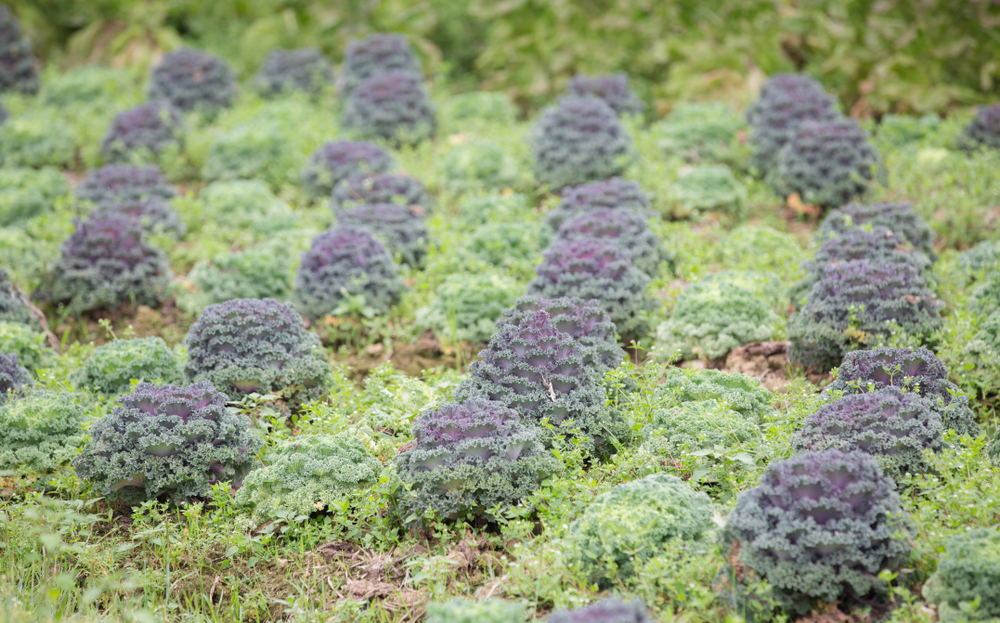
Your tomatoes are finished, the cucumbers have stopped producing, and your once-productive summer garden is starting to look empty. But before you pull everything out and call it a season, there’s one vegetable worth planting that actually prefers cooler temperatures. Kale can turn those empty garden beds into a fresh source of leafy greens long after many summer vegetables have disappeared.
Unlike heat-loving crops, kale grows well during cool weather and can tolerate light freezes, making it a practical choice for extending your harvest into fall. Learning how to grow kale in fall can also help stretch your grocery budget, especially if you regularly purchase bagged greens at the supermarket. With the right planting schedule and a few inexpensive supplies, you may be able to harvest fresh kale for weeks or even months after your summer garden winds down.
Plant Kale Before the Weather Gets Too Cold
Timing is one of the most important considerations when growing kale after summer vegetables finish producing. According to the University of Minnesota, kale grows best during cool weather and can tolerate temperatures that would damage many warm-season vegetables. For a fall harvest, gardeners should generally plant seeds approximately six to eight weeks before their first expected frost, although the ideal schedule depends on the variety and local climate. If you’re starting in October, purchasing established transplants may be more practical than planting seeds, particularly in regions where freezing temperatures arrive early. Check your local frost dates and the variety’s days to maturity before spending money on plants that may not have enough time to develop.
Choose Kale Varieties That Handle Cold Weather
Not every kale variety offers the same flavor, texture, or tolerance for chilly conditions. NC State recommends several varieties for fall gardens, including Red Russian, Improved Dwarf Siberian, Redbor, and Toscano. Red Russian produces tender leaves with purple stems, while Dwarf Siberian is particularly useful for gardeners expecting colder temperatures. Toscano, sometimes called dinosaur kale, has dark, textured leaves that work well in soups and sautéed dishes. Choosing a variety suited to your climate and cooking preferences can help you get more value from every seed packet or transplant.
Reuse Your Summer Garden Beds Without Starting Over
One advantage of learning how to grow kale in fall is that you can reuse garden space already prepared for summer vegetables. After removing spent tomato, bean, or cucumber plants, clear away weeds, damaged roots, and diseased plant material before preparing the soil. Fertile, well-drained soil with a pH between 6.0 and 7.5 is best for healthy kale growth. Adding an inch or two of finished compost can improve soil structure, although a soil test is the best way to determine whether additional nutrients are needed. Avoid planting kale repeatedly in beds recently occupied by cabbage, broccoli, or other brassicas when possible, since rotating plant families can help reduce pest and disease problems.
Give Kale Enough Space to Produce Healthy Leaves
Kale seedlings may look tiny when you first plant them, but mature plants need room for their leaves and roots to develop. Gardeners can sow seeds approximately half an inch deep and thin established seedlings to about 12 inches apart. Crowding plants too closely can restrict airflow, increase competition for nutrients, and make it harder to inspect leaves for insects. If you’re growing kale primarily for tender baby greens, closer spacing is practical because you’ll harvest the plants before they reach full size. For mature plants that produce repeated harvests, proper spacing is usually more economical than squeezing extra seedlings into a small bed.
Keep Soil Moist Without Wasting Water
Although kale tolerates cool temperatures, inconsistent watering can produce tough leaves and disappointing harvests. Utah State University recommends approximately one to two inches of water weekly, depending on weather and growing conditions. Rainfall may provide much of that moisture during autumn, so check the soil before automatically turning on your irrigation system. Applying two to three inches of straw, shredded leaves, or another suitable organic mulch can help conserve moisture and limit weed growth. Water near the base of the plants when possible, and avoid leaving soil constantly saturated because poorly drained conditions can damage roots.
Watch for Cabbage Worms and Other Fall Pests
Cooler weather doesn’t automatically eliminate the insects that attack leafy vegetables. Cabbage worms, loopers, and aphids can continue feeding on kale during mild autumn weather, sometimes hiding underneath leaves where gardeners don’t immediately notice them. The NC State kale growing guide recommends inspecting plants for common pests and removing caterpillars before infestations become severe. Lightweight insect netting installed early can help exclude egg-laying butterflies, provided it is secured around the edges and doesn’t trap existing pests underneath. For small gardens, regularly checking leaves and removing insects by hand may be enough to avoid purchasing pesticides.
Harvest Outer Leaves to Keep Plants Producing
One of the biggest money-saving benefits of kale is that you don’t have to harvest the entire plant at once. Baby greens may be ready approximately 20 to 30 days after seeding, while mature leaves generally take 50 to 75 days. Start by removing the largest outer leaves while leaving the smaller center leaves and growing point intact. This approach allows healthy plants to continue producing new foliage, potentially providing several harvests from the same planting. For the best texture and flavor, pick leaves while they’re tender rather than allowing older foliage to become excessively large and tough.
Use Frost Protection to Extend the Harvest
Kale is one of the more cold-tolerant vegetables, but its ability to survive freezing weather depends on plant maturity, variety, and local conditions. Kale can survive temperatures around 20 degrees Fahrenheit, making it considerably hardier than tomatoes or beans. In regions with mild winters, established plants may continue producing well beyond the first frost, while colder climates may require additional protection. Inexpensive floating row covers, low tunnels, or cold frames can reduce exposure to wind and freezing temperatures, although they won’t guarantee survival during prolonged severe cold. Interestingly, light frost can improve kale’s flavor by increasing sweetness, giving gardeners another reason to keep harvesting after temperatures drop.
Keep Your Garden Working After Summer Ends
Learning how to grow kale in fall is a practical way to get more food from garden beds you’ve already invested time and money in preparing. Instead of purchasing expensive new equipment, you can often reuse existing soil, containers, mulch, and basic gardening tools. Kale provides substantial nutritional value, including vitamins and minerals, while allowing gardeners to harvest leaves repeatedly from established plants. Even a few healthy plants can provide fresh greens for soups, salads, smoothies, and side dishes during a season when many home gardens are otherwise empty.
Have you tried growing kale after your summer vegetables finish producing, and which varieties have given you the best harvests during colder weather? Share your experiences and money-saving gardening tips in the comments.
What to Read Next
The Best Cover Crops to Sow Before Winter Arrives
Leave a Reply