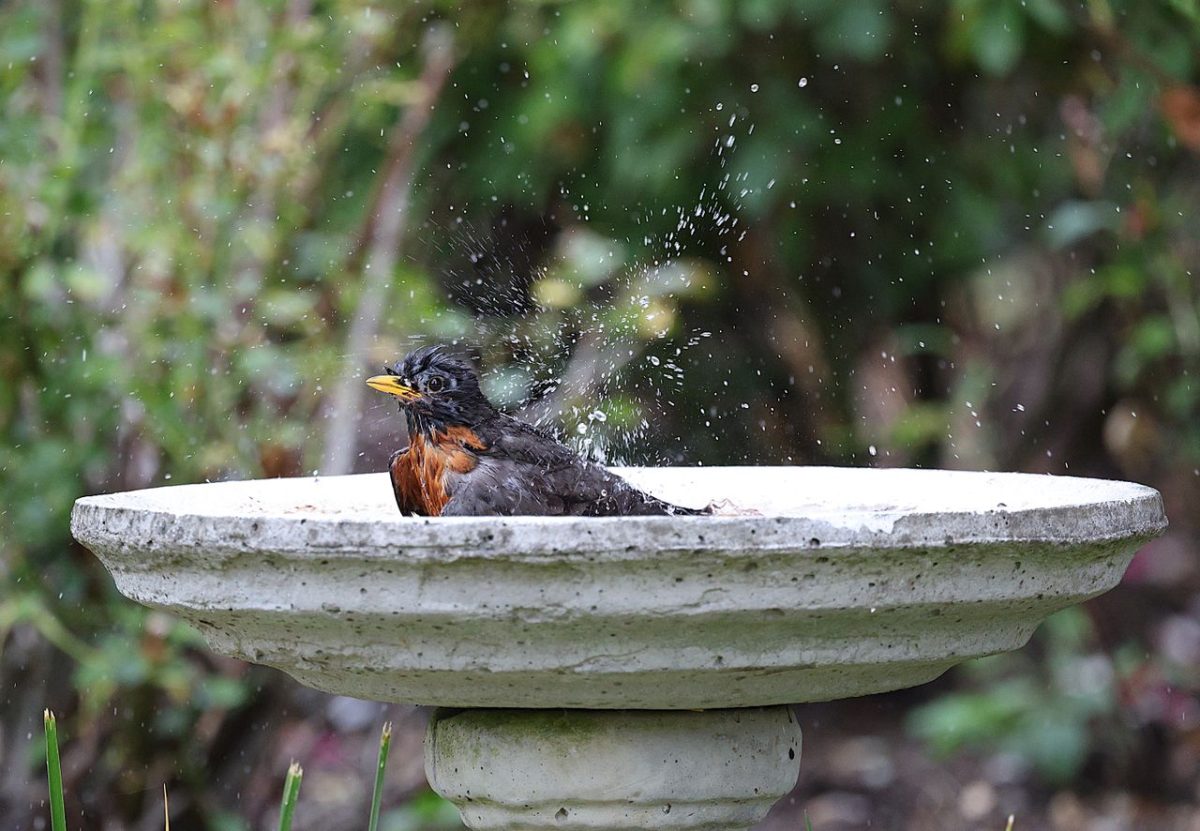
As fall temperatures begin dropping, gardeners are busy preparing flower beds, protecting tender plants, and putting away outdoor equipment. However, one backyard feature often gets overlooked during seasonal cleanup: the birdbath. That shallow basin that attracted robins, cardinals, and other feathered visitors throughout summer needs attention before freezing temperatures arrive.
Learning how to clean birdbaths before winter can help protect visiting birds from contaminated water while preventing expensive damage to your outdoor decorations. According to the National Wildlife Federation, birds continue needing access to water during colder months, even when snow and ice cover the ground. With a few inexpensive supplies and some basic maintenance, you can prepare your birdbath for winter without spending much money.
Why Birdbaths Need a Thorough Fall Cleaning
Birdbaths collect more than water throughout the growing season, including fallen leaves, algae, bird droppings, and other organic debris. These materials can create conditions that allow harmful microorganisms to accumulate, particularly when water sits unchanged for several days. The National Audubon Society emphasizes that regularly cleaning birdbaths helps maintain healthier water for backyard birds. Fall migration can also bring additional visitors to your garden, making sanitation especially important when multiple birds share the same water source. Cleaning the basin before freezing weather arrives removes accumulated grime and makes it easier to inspect the birdbath for cracks or other damage.
Start by Emptying the Basin and Removing Debris
The first step in learning how to clean birdbaths before winter is removing all standing water from the basin. Wear gardening gloves and scoop out accumulated leaves, twigs, feathers, and other debris before beginning the cleaning process. If your birdbath has a removable bowl, carefully lift it from its pedestal and place it on a stable surface where you can work comfortably. Use a stiff nylon brush or plastic scraper to loosen stubborn dirt without scratching delicate finishes or damaging decorative surfaces. Avoid using metal scrapers on glazed ceramic, painted concrete, or resin birdbaths because scratches can make future cleaning more difficult.
Use a Simple Cleaning Solution Instead of Expensive Products
You don’t need specialty birdbath cleaners to remove ordinary dirt and algae from your backyard water feature. The National Audubon Society recommends scrubbing birdbaths with a mixture of nine parts water to one part vinegar. For example, you can combine nine cups of water with one cup of white vinegar to create an inexpensive cleaning solution. Scrub the basin thoroughly, paying attention to textured surfaces, decorative grooves, and areas where green algae tends to accumulate. Avoid leaving soap or cleaning chemical residues behind because substances that remain in the water may be harmful to visiting birds.
Know When Disinfecting Is Necessary
Ordinary cleaning removes visible grime, but additional disinfection may be appropriate when birdbaths are heavily contaminated or sick birds have been observed nearby. The National Audubon Society cites wildlife health guidance recommending a disinfecting solution containing one part household bleach to nine parts water for birdbaths and feeders. Before disinfecting, remove visible debris, wear protective gloves, and keep birds and other animals away from the cleaning area. Never mix bleach with vinegar or other cleaning products, and rinse the basin repeatedly with clean water until all disinfectant residue is removed. Allow the birdbath to dry completely before refilling it, and consult local wildlife authorities if you notice multiple sick or dead birds in your yard.
Check for Cracks Before the First Hard Freeze
Once your birdbath is clean, inspect the basin and pedestal for hairline cracks, loose connections, or areas where water may have penetrated the material. Water expands by approximately 9% when it freezes, which can put additional pressure on vulnerable surfaces and worsen existing damage. Concrete and ceramic birdbaths are particularly susceptible to freeze-related cracking when they aren’t designed for winter exposure. The National Wildlife Federation recommends storing or covering concrete birdbaths during winter because expanding ice can cause cracks and leaks. Repairing minor damage before freezing weather arrives may extend the life of your birdbath, but severely cracked basins should be replaced or retired rather than continuing to hold water.
Decide Whether to Store Your Birdbath or Keep It Outside
Not every birdbath needs to disappear from the garden when winter arrives, but the material and design should guide your decision. Lightweight resin, certain metal models, and birdbaths specifically rated for freezing conditions may tolerate winter exposure better than delicate ceramic or concrete versions. If you’re storing a birdbath, empty it completely, allow it to dry, and place it in a garage, shed, or other protected location. Gardeners who want to provide winter water can consider a weather-resistant basin or a heated birdbath designed for outdoor use. The Cornell Lab of Ornithology explains that birds visit water sources throughout the year, making a properly maintained winter birdbath a useful backyard feature.
Keep Winter Water Safe Without Overspending
If you decide to maintain a birdbath through winter, the biggest challenge will be preventing water from freezing while keeping the basin clean. The National Wildlife Federation suggests using a birdbath heater designed for outdoor conditions or rotating sturdy, freeze-resistant containers filled with fresh water.
A simple heavy-duty plant saucer can be an inexpensive alternative to purchasing an elaborate heated fountain, although it may require frequent replacement when temperatures remain below freezing. If you use an electric heater, follow the manufacturer’s instructions and use an appropriate outdoor-rated electrical connection with ground-fault circuit-interrupter protection. Never add salt, antifreeze, glycerin, or other chemicals to birdbath water in an attempt to prevent freezing because these substances can endanger wildlife.
A Clean Birdbath Can Make Your Winter Garden More Welcoming
Knowing how to clean birdbaths before winter is about more than keeping a decorative garden feature looking attractive. Regular cleaning helps reduce contamination, while proper winter storage or equipment selection can prevent avoidable replacement costs. Even during colder months, the National Wildlife Federation encourages gardeners to provide accessible water when practical, particularly during periods when natural sources are frozen. Whether you store your summer birdbath or maintain a winter-ready version, a little preparation now can protect your investment and support the birds that visit your yard.
Do you keep a birdbath available throughout winter, or do you clean and store yours when freezing temperatures arrive? Share your experiences and favorite birdbath maintenance tips in the comments.
What to Read Next
7 Plants That Offer Seeds Birds Can Eat Through Fall
What Is the Best Way to Clean a Birdbath Without Harming Wildlife?
Leave a Reply