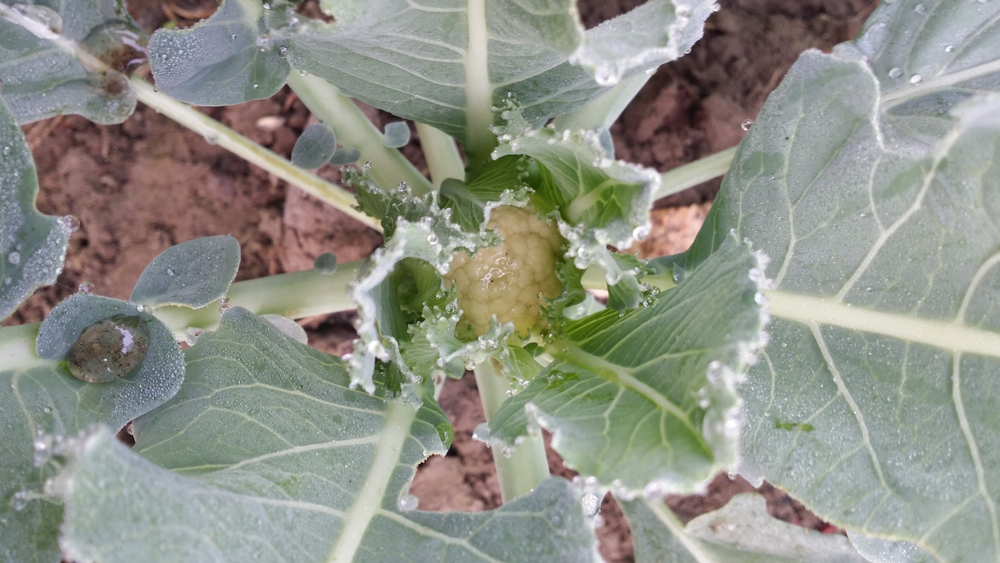
If your tomatoes are fading and the first frost is showing up on the forecast, don’t assume this year’s vegetable garden is finished. Several cool-season crops grow quickly enough to squeeze another harvest from beds that would otherwise sit empty, and some tolerate temperatures that would wipe out summer vegetables overnight. The trick is choosing fast-growing greens and roots instead of planting something that needs three months of warm weather to mature. University of Maryland lists hardy fall crops including spinach, kale, lettuce, arugula, turnips and several Asian greens, while beets, carrots, radishes and Swiss chard can tolerate lighter frosts. Check your local average first-frost date, grab the seed packets, and you may discover there’s still enough growing season left for one more inexpensive crop.
1. Radishes Can Be Ready Remarkably Fast
When you’re racing the calendar, radishes are one of the first seed packets worth reaching for. University of Minnesota lists approximately 30 to 60 days to maturity for radishes, although some individual varieties mature even faster, so check the packet before planting. Cool fall conditions suit them well, and Minnesota notes that gardeners can continue digging the roots until the soil freezes. For the fastest payoff, choose a small round variety rather than a large winter radish that requires a longer growing period. Radishes also make excellent gap-fillers because you can tuck a short row into spaces left behind by finished summer vegetables.
2. Spinach Loves the Weather Your Tomatoes Hate
Spinach is one of those cool-season crops that makes fall gardening feel almost unfairly easy when the timing works. University of Minnesota lists spinach at roughly 35 to 45 days to maturity and notes that it survives light frost and may even overwinter. University of Maryland similarly includes spinach among hardy crops capable of withstanding a hard frost. Instead of waiting for every plant to reach full size, harvest tender outer leaves as soon as they’re useful in salads, sandwiches or cooking. Even a planting that doesn’t reach impressive supermarket-bunch size before winter can still produce a worthwhile harvest of baby leaves.
3. Mustard Greens Offer a Fast Return
Mustard greens are another strong option when there isn’t much growing season left to gamble with. University of Minnesota gives them an approximate maturity range of just 30 to 40 days and classifies them as frost tolerant. That means a gardener with only a month or so before typical freezing weather may still have a realistic shot at harvesting usable leaves. Pick younger leaves for a milder flavor or let plants mature longer if your weather cooperates and you enjoy stronger mustard flavor. A small packet of seed can also produce far more greens than buying individual bunches repeatedly at the grocery store.
4. Kale Doesn’t Panic Over a Little Cold
If you’re nervous about an early frost destroying your late planting, kale offers considerably more breathing room than a crop such as beans. Minnesota says kale typically takes about 40 to 65 days to mature and can survive temperatures down to around 20°F, although actual plant survival depends on conditions and variety. Cold weather can also improve the quality of hardy greens, with the University of Maryland noting that cold temperatures improve the flavor and texture of kale, collards, cabbage and turnip greens. Buy healthy transplants if you’re too close to frost for seeds to establish quickly enough, or harvest young leaves before plants reach full maturity. Kale’s ability to tolerate cold makes it one of the more forgiving cool-season crops when autumn weather becomes unpredictable.
5. Leaf Lettuce Can Give You Multiple Small Harvests
A full head of lettuce isn’t the only definition of a successful fall crop. Leaf lettuce can take approximately 40 to 60 days to mature, but individual leaves can be harvested earlier once they’re large enough to use. The university’s lettuce-growing guidance recommends harvesting individual leaves at the baby stage while leaving smaller leaves on the plant, allowing additional harvests. Cooler fall weather can also improve lettuce flavor compared with the heat that encourages bolting and bitterness during summer. Instead of waiting for one big harvest, think of a fall lettuce patch as a living salad bowl you can pick from repeatedly until freezing temperatures stop growth.
6. Arugula Is Built for a Short Fall Window
Arugula belongs near the top of the list when you’re looking for fast fall greens rather than a crop that needs months to mature. Arugula is a hardy fall vegetable. Additionally, quick-growing crops such as arugula, looseleaf lettuce, mizuna, and tatsoi can be planted repeatedly for continuous harvests. Young arugula leaves can be picked well before plants reach their maximum size, which makes the crop particularly useful when your remaining season is measured in weeks. The peppery leaves can go directly into salads, sandwiches and pasta dishes, so you don’t need a large harvest to make the planting worthwhile. If you’ve never grown it, a small autumn patch is a low-cost way to find out whether homegrown arugula earns a permanent spot in your garden.
7. Turnips Can Give You Two Crops From One Seed
Turnips offer something particularly useful to frugal gardeners: both the roots and leafy tops are edible. Turnips take approximately 50 to 60 days to reach maturity and are said to survive light frost. Both turnips and turnip greens are among hardy fall crops. If winter arrives before the roots become as large as you’d hoped, you may still get useful greens from the planting. Gardeners with more time can harvest tender roots later, and protected roots may remain in the ground well beyond the first frost. Few cool-season crops give you as many ways to salvage a harvest when the weather doesn’t follow your original plan.
8. Asian Greens Can Fill the Fall Garden Quickly
Bok choy, tatsoi, mizuna and related greens deserve more attention from gardeners trying to extend the season. There are several Asian greens among hardy fall crops, including bok choy, mizuna and tatsoi, and notes that some can be planted successively because they grow quickly. Many are useful before reaching full maturity, so young leaves can become salads or stir-fries even when cold weather shortens the season. Check individual seed packets carefully because maturity times and cold tolerance vary among species and cultivars rather than treating every “Asian green” as interchangeable. These plants are particularly useful when you want something different from another row of spinach or lettuce.
Frost Isn’t the Only Clock You’re Racing
Counting backward from your average first frost is important, but it doesn’t tell the entire story. University of Maryland points out that shortening days and cooler temperatures slow fall growth, with vegetable growth becoming very limited when daylight drops below roughly 10 hours. A seed packet promising a 35-day harvest under favorable conditions may therefore need longer as autumn progresses, so don’t treat “days to maturity” like a guaranteed countdown timer. Plant in the sunniest available location, keep germinating seed consistently moist, and consider floating row cover, which can provide roughly 2°F to 8°F of frost protection depending on its weight. The earlier you get cool-season crops established, the more useful growth they can put on before short days become the real bottleneck.
One Empty Summer Bed Can Still Produce Dinner
Don’t rip out a spent tomato or cucumber plant and assume the next useful thing that bed can do is wait for spring. Look up your area’s average first-frost date, count the remaining days, and compare that window with the maturity time and cold tolerance printed on the seeds you’re considering. If you have only a short window, prioritize radishes, spinach, mustard greens, arugula and baby lettuce; with more time, kale, turnips and other hardy vegetables become realistic options. Even better, a simple row cover can stretch the season while protecting tender seedlings, and reusable covers can last two to three years with proper care.
Which cool-season crop would you plant for one last harvest before winter?
What to Read Next
The First Frost Is Coming — These 7 Garden Plants Are Worth Saving Before It Hits
The Late Frost Risk: Why Some Regions Still Need Protection
The Frost-Proof Secret: Protecting Your $2 Plants from a Random Cold Snap
Leave a Reply