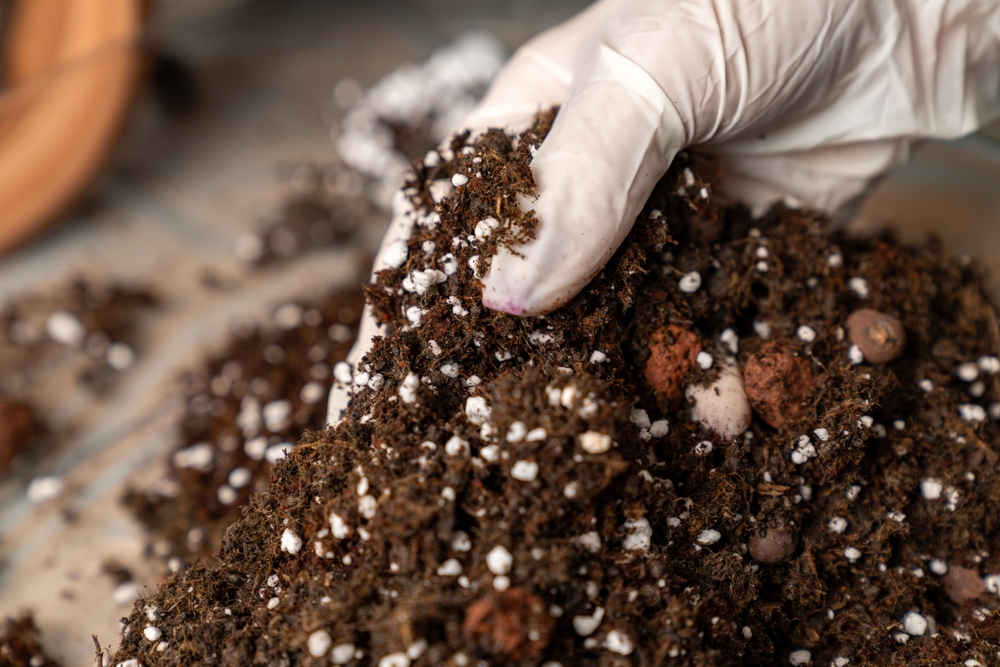
Potting soil can become one of those sneaky spring gardening expenses that barely gets noticed until the cart contains several bags and the receipt suddenly looks ridiculous. The good news is that last year’s container mix does not automatically belong in the trash just because a tomato plant, petunia, or pepper spent a season growing in it.
Old potting mix can often serve another season, but it needs a little attention first. The goal isn’t to blindly reuse whatever happens to remain in a pot, but to figure out whether the mix still has a useful structure, whether anything nasty lurks inside it, and what it needs before another plant moves in.
Start With What Happened in the Pot
A container that held a healthy annual plant can leave behind perfectly usable potting mix, especially when the soil still drains well and retains some moisture without turning into a hard, soggy brick. Pull out the old roots, stems, and plant debris, then break apart any large clumps with your hands. Look closely while doing it because old roots can hide grubs, insects, or other unwelcome passengers. If the plant finished the season looking healthy, the leftover mix deserves a closer look rather than an automatic trip to the compost pile. If the plant suffered from a serious disease, however, tossing the mix makes more sense because some pathogens can persist in growing media and infect the next plant.
Texture provides another useful clue. Good container mix should feel loose and crumbly rather than dense, muddy, or strangely crusty. Water should move through the container instead of pooling on top for ages, yet the mix should not behave like dry dust that sends water straight down the sides of the pot. Those simple observations tell plenty about whether the mix can support another planting.
Give Tired Potting Mix a Spring Refresh
Container plants remove nutrients from their growing medium throughout the season, so old potting mix rarely comes out of winter ready for a demanding new crop. Fresh potting mix can restore some of the structure and materials that containers lose during a growing season. Mixing fresh material into the old mix can make sense when the original medium still drains properly and shows no signs of disease. A small amount of finished compost can also add organic matter, but too much compost can make a container mix heavy and reduce the air space roots need. Container gardening works best when roots get a balance of moisture, oxygen, and room to grow.
This refresh also creates an opportunity to inspect the container itself. Empty the pot completely enough to check the drainage holes, because a blocked hole can cause more trouble than tired potting mix ever will. Wash away old mineral crust from the inside and outside of the container if it has accumulated during the season. Clay pots may develop white salt deposits, while plastic pots can collect algae and grime. A clean container paired with refreshed mix gives the next plant a much better starting point.
Know When Old Mix Has Reached the End
Not every bag of old potting soil deserves a second chance. Mix that smells rotten, stays soggy, has collapsed into a dense mass, or contains obvious signs of pests should head out rather than back into another container. The same goes for mix from a plant that developed a serious root disease or other persistent plant problem. Reusing contaminated material can turn one sick plant into a repeat performance, and nobody needs that sequel.
Age alone does not determine whether potting mix remains useful. The physical condition matters far more than whether the bag or container spent one winter sitting in the garage. A mix that still has decent structure can often contribute useful material to a new blend, while a badly compacted medium can make even a healthy plant miserable. When in doubt, compare it with fresh potting mix by feel and appearance rather than assuming every old batch has the same fate.
Different Containers Need Different Treatment
A container filled with an annual flower may need a simple refresh before another round of flowers, while a large pot containing a perennial can require more careful attention. Perennials often benefit from checking the roots, dividing or repotting when necessary, and replacing some depleted mix around the root ball. Woody herbs and long-lived plants can also occupy the same container for years, so dumping the entire pot every spring makes little sense. Instead, gardeners can remove some old material and replace it with fresh mix when the plant’s roots allow the change. That approach saves material while giving the plant access to fresh growing space.
Vegetables deserve a little extra caution because gardeners often plant the same types of crops in containers repeatedly. If a tomato plant developed a significant disease, for example, reusing its old mix for another tomato may create an avoidable problem. Rotating crops between containers can help, especially when several pots sit together in a small growing area. The same basic rule applies across the patio: healthy plants leave behind reusable material, while diseased plants can leave behind trouble.
The Smartest Spring Purchase May Be Smaller
The easiest way to save money on potting mix may not involve finding a magical substitute at all. It may simply mean buying less because some of last year’s material remains perfectly serviceable. Before heading to the garden center, empty the containers, inspect what remains, and separate the promising mix from anything that looks suspicious. Fresh potting mix can then fill the gaps instead of replacing everything from scratch.
That approach also keeps a gardener from wasting perfectly useful material while avoiding the opposite mistake of treating every old container as reusable forever. Potting mix has a job to do, and its condition tells the story. A little inspection, cleanup, and refreshing can turn last season’s leftovers into a useful part of this season’s planting plan.
Let the Old Potting Mix Earn Its Keep
Spring gardening does not have to begin with a mountain of unopened bags stacked beside the garage. Healthy old potting mix can often get another assignment when gardeners remove debris, check its texture, refresh its nutrients and structure, and match it with the right kind of plant. Diseased, pest-ridden, foul-smelling, or badly degraded mix deserves a different fate.
The bigger lesson involves paying attention to what sits inside the pot instead of treating potting soil as disposable. Sometimes the cheapest gardening supply is the one already sitting under last year’s root ball, waiting for somebody to take a second look.
How much old potting mix do you usually reuse each spring, and what has worked best in your containers?
You May Also Like…
6 Soil Tests Worth Doing Before You Buy Fall Fertilizer
Can You Move a Raised Bed Without Replacing All the Soil?
Should You Thin Late-Sown Root Crops Differently in Warm Soil?
Can Worm Castings Rescue Nutrient-Poor Container Soil?
Can Biochar Help Sandy Soil Hold Water During Hot Weather?

Brandon Marcus is a staff writer for FrugalGardening.com at District Media, Inc., where he delivers practical gardening advice with a relatable, no-nonsense style. An avid amateur gardener, he holds a BA degree and with over ten years of professional writing experience, he is also an award-winning published author whose first book, Questions For Deep Thinkers, was released by Adams Media. His work has appeared in major publications including Fandom.com, CHUD.com, TheColdWire.com, and Fansided.com.
Leave a Reply