A small garden does not have to produce a small harvest. You just have to choose vegetables that keep producing, grow upward instead of outward, or deliver plenty of edible food from a relatively compact patch of soil. A few smart choices can turn one raised bed, patio container collection, or tiny backyard plot into a surprisingly busy little grocery department.
The wrong plants can also eat up precious room with alarming enthusiasm. A sprawling squash vine may claim territory like it pays property taxes, while a compact pepper plant quietly sits in its corner and keeps handing over dinner ingredients. These nine vegetables offer excellent returns for gardeners who want to squeeze more food out of limited space without turning the yard into a jungle.
1. Pole Beans Turn Vertical Space Into Dinner
Pole beans earn their place because they grow upward rather than spreading across the ground. A trellis, sturdy netting, or other support gives the vines somewhere to climb, leaving much of the soil surface available for other crops. Many varieties also produce over an extended period when gardeners keep harvesting the pods regularly. Pick beans while they remain tender, because oversized pods can become tougher and signal the plant to slow its production. A narrow row of pole beans can therefore provide far more food than its footprint initially suggests.
The support system matters more than gardeners sometimes realize. Set up a strong trellis before the vines become large, because wrestling a fully grown bean plant into position rarely improves anyone’s afternoon. Beans also prefer warm soil and plenty of sunlight, so planting too early can lead to slow, disappointing growth. Keep the plants picked and check regularly for hidden pods, since beans possess an impressive talent for disappearing behind their own leaves. For gardeners with more vertical room than horizontal room, pole beans make excellent use of that neglected real estate.
2. Zucchini Produces Like It Has Something to Prove
Zucchini can occupy more space than some vegetables on this list, but one healthy plant can produce an impressive amount of food. The key involves resisting the urge to plant a whole army of them unless the household truly wants zucchini in every meal until autumn. Harvest the fruits while they remain young and tender, because baseball-bat-sized zucchini may look dramatic but often bring tougher skins and larger seeds. Regular harvesting also encourages the plant to continue producing. One plant can provide plenty for a small household when growing conditions remain favorable.
Gardeners can save space by choosing compact or bush varieties rather than sprawling types. Good spacing and airflow also help reduce problems with powdery mildew and other diseases that can take advantage of crowded foliage. Check beneath the leaves often, because zucchini can go from perfectly sized to absurdly large with surprising speed. The blossoms also offer another edible bonus, although harvesting too many flowers can reduce the number of fruits that develop. Zucchini may take up a decent chunk of soil, but its productivity often justifies the reservation.
3. Cherry Tomatoes Keep the Harvest Coming
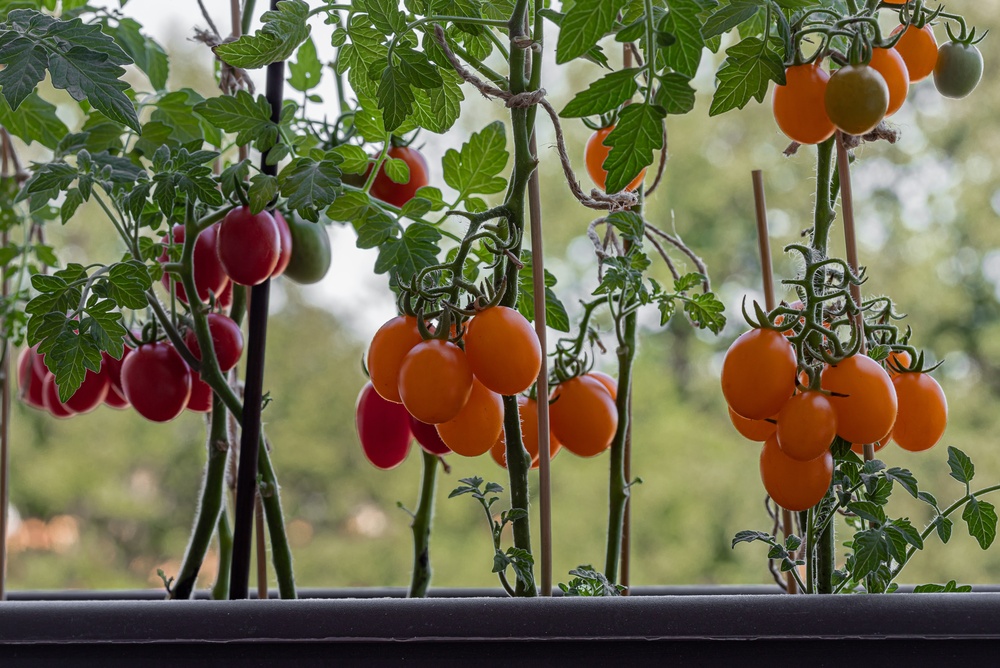
Cherry tomatoes pack a remarkable amount of food production into a relatively small planting area. Indeterminate varieties can grow tall with proper support and continue producing fruit over a long season. A sturdy cage, stake, or trellis keeps the vines upright and prevents them from sprawling across neighboring plants. Harvest ripe fruit regularly, because clusters can continue ripening as the season progresses. A single well-managed plant can supply handful after handful for salads, snacks, sauces, and the occasional garden-side snack that never quite makes it indoors.
Choose a sunny location because tomatoes need plenty of light to produce well. Water the soil consistently and avoid soaking the foliage whenever possible, especially later in the day. Good airflow around the plant can also help reduce disease problems. Some gardeners crowd tomatoes because the young plants look tiny, but those innocent little seedlings eventually become leafy roommates with very poor boundaries. Give each plant enough room to grow, then use vertical support to keep the harvest productive without sacrificing the entire bed.
4. Leaf Lettuce Gives You Repeat Harvests
Leaf lettuce works beautifully in small gardens because gardeners can harvest individual leaves instead of pulling the entire plant at once. This cut-and-come-again approach allows one planting to provide several harvests when conditions cooperate. Lettuce also grows well in containers, window boxes, raised beds, and other small spaces. Gardeners can tuck it between slower-growing crops or use it to fill gaps that might otherwise sit empty. It offers one of the easiest ways to turn a modest patch of soil into repeated salad material.
Hot weather can cause lettuce to bolt, which means the plant sends up a flowering stalk and the leaves often become bitter. Planting during cooler periods and providing some afternoon shade can help extend the harvest when temperatures climb. Sow seeds in succession rather than planting every seed at once, and fresh young plants can replace older ones as they finish. Harvest outer leaves first and leave the center intact when possible. Lettuce may not look dramatic, but it performs steady, useful work without demanding much elbow room.
5. Peppers Deliver Plenty From One Compact Plant
Pepper plants generally maintain a tidy footprint compared with sprawling vegetables. Sweet and hot varieties can both produce multiple fruits from a relatively compact plant, making them useful choices for raised beds and containers. Full sun and warm conditions help peppers develop strong growth and good fruit production. Support can help heavily loaded plants stay upright when branches begin carrying a serious amount of produce. A few plants can provide a useful mix of fresh peppers for cooking, snacking, roasting, or preserving.
Patience plays a role with peppers because they often grow slowly early in the season. Once warm weather settles in, healthy plants can become much more productive. Harvest timing also depends on the variety and the desired flavor, since many peppers can mature through several color stages. Leaving fruits on the plant longer can allow fully ripe colors and flavors to develop, while earlier harvesting often provides a different taste and texture. For a gardener short on space but unwilling to give up homegrown peppers, these plants make efficient little tenants.
6. Swiss Chard Pulls Double Duty in a Small Bed
Swiss chard offers edible leaves and colorful stalks from one compact plant. Gardeners can harvest the outer leaves repeatedly while allowing the center to continue producing new growth. It also tolerates a wider range of temperatures than some leafy greens, which can make it useful during changing seasons. The bright stems add visual interest, so chard can work in an ornamental bed without looking like a vegetable crop crashed the party. For gardeners who value both appearance and food production, that combination makes chard particularly appealing.
Give the plants enough room for airflow and avoid stripping away too many leaves at one time. Young leaves work well in salads, while larger leaves and stalks hold up nicely in cooked dishes. Regular harvesting keeps the plant useful and prevents a pileup of oversized leaves that suddenly demands a week’s worth of side dishes. Chard also grows well in containers as long as the plants receive adequate sun and consistent moisture. It does not demand a sprawling patch of ground to become a reliable source of greens.
7. Radishes Make Fast Work of Empty Space
Radishes deserve attention because they mature quickly and fit into spaces that larger crops cannot use efficiently. Gardeners can sow them between slower-growing vegetables or use them to occupy a bed before warm-season crops take over. Their small footprint makes them especially useful in raised beds and containers. Successive plantings can provide repeated harvests rather than one giant radish parade all at once. The crisp roots also offer a satisfying reward for gardeners who dislike waiting endlessly for results.
Loose, well-prepared soil helps radish roots develop more evenly. Crowded seedlings can produce disappointing roots, so thinning may become necessary when plants emerge too closely together. Warm temperatures can cause some varieties to become sharp, woody, or quick to bolt, which makes seasonal timing important. Harvest promptly once the roots reach a good size because oversized radishes often lose their appealing texture. Radishes work best as efficient gap-fillers, turning unused inches of garden space into something edible.
8. Kale Keeps Giving After the First Harvest
Kale offers another excellent return because gardeners can harvest leaves over an extended period instead of pulling the whole plant immediately. Remove the older leaves from the bottom of the plant and allow the growing point to continue producing new ones. The plant can tolerate cool weather, making it useful during parts of the season when heat-loving vegetables start losing momentum. Compact varieties can also fit neatly into raised beds or large containers. One plant may provide several meals when harvested gradually rather than stripped bare.
Watch for cabbage worms and other pests, especially when leaves begin showing mysterious holes. Checking plants regularly allows gardeners to catch problems before the foliage turns into a buffet with no invitation list. Harvest young leaves for a more tender texture, while larger leaves work well in soups, sautés, and other cooked dishes. Avoid taking too much foliage from a small plant at once because the remaining leaves fuel future growth. Kale earns its space by remaining useful long after many quick crops have already disappeared from the garden.
9. Green Onions Let Gardeners Plant Close and Harvest Often
Green onions require very little room, which makes them ideal for the edges of beds and containers. Their narrow leaves allow gardeners to grow many plants in an area that could never accommodate larger vegetables. Harvesting can happen while the plants remain young, giving small-space gardens a steady supply of fresh onion flavor. Gardeners can also sow or plant them in succession for a longer harvest period. They may lack the dramatic personality of a towering tomato vine, but green onions quietly deliver where space matters most.
Keep the soil evenly moist while the plants establish, especially during dry periods. Thin crowded seedlings when necessary so the remaining plants can develop properly. Harvest whole plants when they reach the desired size, or grow them alongside larger vegetables that leave narrow strips of open soil. Their upright growth habit also makes them useful companions in tight layouts where every square inch needs a job. For pure space efficiency, green onions prove that a productive vegetable does not need to occupy the garden like a giant.
Make Every Square Foot Earn Its Keep
The most productive small garden does not necessarily contain the largest number of plants. It contains plants that match the available space, receive the right amount of sunlight, and produce enough food to justify the room they occupy. Grow upward when possible, harvest regularly, and fill temporary gaps with quick crops such as radishes and lettuce. A tiny garden can become surprisingly generous when every plant has a purpose instead of simply showing up because it looked good on the seed packet.
Which of these space-saving vegetables would earn a spot in your garden this season?
You May Also Like…
Should You Pull That Summer Vegetable Plant Yet? The Answer Isn’t Always Yes
9 Vegetables You Can Still Plant in September for a Fall Harvest
10 Vegetables That Give the Best Return for Small Gardens
8 Vegetables That Grow Easily Even in Beginner Gardens
10 Easy Vegetables for People Who Think They Kill Every Plant

Brandon Marcus is a staff writer for FrugalGardening.com at District Media, Inc., where he delivers practical gardening advice with a relatable, no-nonsense style. An avid amateur gardener, he holds a BA degree and with over ten years of professional writing experience, he is also an award-winning published author whose first book, Questions For Deep Thinkers, was released by Adams Media. His work has appeared in major publications including Fandom.com, CHUD.com, TheColdWire.com, and Fansided.com.
Leave a Reply