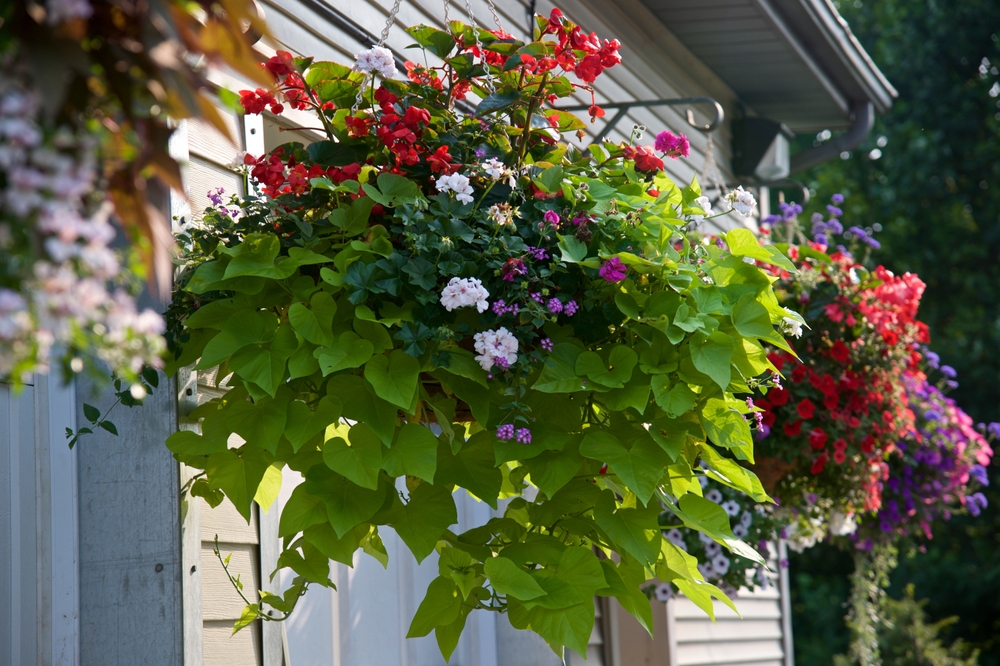
Hanging baskets can turn into tiny desert islands by lunchtime, especially during hot summer days when roots sit above the ground and lose moisture quickly. These floating gardens need a little extra attention, but a few smart changes can keep flowers looking fresh from morning coffee to evening porch time.
The secret does not involve watering constantly or carrying a hose around like a garden firefighter. Better soil, the right placement, and a few clever habits help hanging baskets hold moisture longer while keeping plants healthy and colorful.
1. Choose a Larger Basket That Holds More Moisture
Small hanging baskets look charming, but they dry out quickly because they contain less soil and fewer roots. A larger basket gives roots more room and creates a bigger moisture reserve during hot weather.
A basket with more soil also reduces temperature swings that stress plants during sunny afternoons. Instead of forcing a tiny container to fight the heat, give plants a comfortable home that matches their needs.
Many gardeners discover that moving from a small basket to a slightly larger one changes the entire watering routine. The basket still needs care, but it stops acting like a sponge sitting on a sidewalk in July. Larger containers also allow gardeners to combine plants with similar water needs, creating a better balance.
2. Use Quality Potting Mix Instead of Garden Soil
Garden soil feels natural, but it often creates problems inside hanging baskets because it becomes heavy and drains poorly. Potting mix creates the loose structure roots need while helping the container hold the right amount of moisture.
A good mix usually contains ingredients such as peat moss, coconut coir, compost, and perlite or vermiculite. These materials help water move through the container without leaving roots stuck in soggy conditions.
Avoid filling baskets with leftover dirt from flower beds, even if that soil looks rich. Heavy soil can compact inside containers and make watering less effective. A fresh potting mix gives hanging plants a much better start and makes summer maintenance easier.
3. Add Moisture-Holding Materials to the Soil
A few soil additions can help hanging baskets stay hydrated longer during sunny weather. Coconut coir, compost, and moisture-retaining products designed for containers can improve the soil’s ability to store water.
These additions do not replace regular watering, but they can slow down moisture loss. Think of them as a backup system that gives roots extra time before the soil dries completely.
Compost adds organic matter that improves soil texture while supplying nutrients. Coconut coir works especially well in containers because it absorbs water and releases it gradually. Gardeners should mix these materials into the potting soil before planting instead of sprinkling them on top later.
4. Water Deeply Instead of Giving Tiny Sips
A quick splash on the surface rarely solves the problem when hanging baskets dry out fast. Water needs to reach the entire root zone so plants receive consistent moisture.
The best watering sessions often happen early in the morning when cooler temperatures reduce evaporation. A slow soak works better than a rushed sprinkle because it allows water to travel through the container.
Watch for water flowing from the drainage holes because that signals the soil has absorbed moisture throughout the basket. Extremely dry potting mix sometimes repels water at first, so a second slow pass may help. Regular deep watering encourages stronger roots and reduces midday drooping.
5. Pick the Right Location for Each Basket
A beautiful hanging basket in the wrong spot can struggle no matter how carefully someone waters it. South and west-facing locations often receive intense afternoon sun that quickly pulls moisture from containers.
Moving baskets to a spot with morning sun and afternoon shade can dramatically reduce heat stress. Plants still receive plenty of light while avoiding the harshest part of the day.
Every plant has different preferences, so location matters before planting begins. Ferns and some shade-loving flowers prefer protection, while many petunias and geraniums enjoy more sunlight. A good match between plant choice and location prevents many common problems.
6. Group Hanging Baskets Together
A single basket hanging alone in the heat loses moisture faster than several baskets placed near each other. Grouping containers can create a slightly cooler microclimate around the plants.
Clusters also make watering easier because gardeners can care for several baskets during one routine. This simple arrangement helps reduce the feeling that summer gardening requires endless chores.
Leave enough space between baskets for airflow to prevent damp conditions and disease problems. A small grouping near a porch or patio can also create a lush display without adding extra work. Sometimes the easiest gardening tricks involve simply changing the setup.
7. Trim Plants to Reduce Water Loss
Overgrown hanging baskets often struggle because too much foliage demands more water from limited roots. Regular trimming helps plants stay balanced and encourages fresh growth.
Removing faded flowers also helps many flowering plants direct energy toward producing new blooms. A tidy basket usually handles heat better than a tangled mass of stems.
Avoid aggressive pruning during extreme heat because plants already face environmental stress. Remove damaged leaves, spent blooms, and overly long stems instead. Small grooming sessions throughout the season keep baskets manageable.
8. Add a Simple Watering Routine
Consistency makes the biggest difference with hanging baskets because containers respond quickly to changing conditions. Checking soil moisture with a finger before watering helps prevent both drought stress and unnecessary watering.
Many baskets need attention more often than in-ground gardens because roots cannot search for deeper moisture. Hot breezy days can dry containers faster than expected, even when temperatures seem comfortable.
A simple morning check can reveal problems before plants begin to wilt. Gardeners who create a routine often catch dry soil early and avoid emergency rescues. A few minutes of care can keep a porch display looking cheerful all season.
Small Changes Create Stronger Hanging Basket Results
Hanging baskets do not need constant fussing to stay beautiful, but they do need thoughtful care. The right container size, soil mix, watering habits, and location all work together to protect plants from rapid moisture loss.
The most successful baskets usually come from small adjustments rather than complicated techniques. A gardener who improves the setup before summer heat arrives spends less time fighting dry soil and more time enjoying colorful blooms.
Which hanging basket trick has made the biggest difference in your garden, and what plants have worked best for your sunny or shady spots? Let’s hear your tips and experiences below.
You May Also Like…
Why Gardeners Should Photograph Plant Problems Before Treating Them
Warm Weather Can Delay Female Flowers on Melons—Gardeners Shouldn’t Panic Yet
The Container Gardening Trend That’s Exploding on TikTok
6 Container-Friendly Options That Grow Quickly
7 Container Success Picks That Perform Well Anywhere

Brandon Marcus is a staff writer for FrugalGardening.com at District Media, Inc., where he delivers practical gardening advice with a relatable, no-nonsense style. An avid amateur gardener, he holds a BA degree and with over ten years of professional writing experience, he is also an award-winning published author whose first book, Questions For Deep Thinkers, was released by Adams Media. His work has appeared in major publications including Fandom.com, CHUD.com, TheColdWire.com, and Fansided.com.
Leave a Reply