• Skip to primary navigation
  • Skip to main content
  • Skip to primary sidebar

Frugal Gardening

Simple ways to save money while you garden

  • About
  • Contact Us
  • Garden Frugally
  • Buy These
  • Our Editorial Commitment
  • Navigation Menu: Social Icons

    • Facebook
    • Pinterest
    • Twitter

Expand Your Gardening Possibilities with Seed Swapping

January 27, 2020 by Steph Coelho Leave a Comment

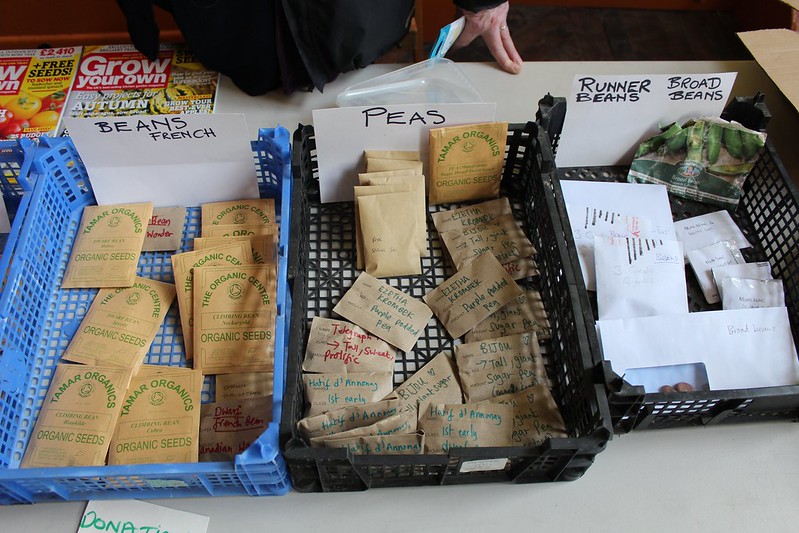
Seed Swapping
Flickr via <a href="https://www.flickr.com/photos/132399483@N05/25021233375/in/photolist-E83mXr-Ej8iHK-24bgfCU-8zfnwQ-qtEHNT-5TssJD-erzzm-DyyBG8-2hdGNf9-E83DHR-mMKyY3-5TwNJU-Rv2j7p-2hdJuC9-buWynf-5TssBp-buWqv7-DDqiGn-aargmg-R7mqZG-nZ7XnJ-mMHWWg-2gnRVxL-6cwqs9-FfRivd-bHRedM-bHRfZe-buWwv9-nZ9aMd-bHRhLH-buWuPE-bHRiRt-nYWCzc-bHRfoc-bHRh8K-98FfVh-o22kdD-buWxyQ-buWreJ-nZ8f9u-buWrQm-nGKx1w-Fi9Wq8-F9KMN8-jJm88p-2hdJuDg-2hdKm7q-2hdKm68-qXM8vh-AZnFK4" target="_blank" rel="noopener noreferrer">Local Food Initiative</a>

It’s nearly time to start seedlings, but you’ve noticed your seed supply is a bit thin. Or perhaps you’re bored with the varieties you typically grow and want to try something new. Seed swapping is the perfect way to top up your seed inventory on a budget. 

What is seed swapping?

It’s exactly what it sounds like! Trading seeds with other gardeners to get rid of excess seed and discover new varieties without spending loads of money. Usually, seed swapping involves trading saved seeds, but that’s not always the case. Don’t be shy to ask about the provenance of the seed you’re receiving. 

Benefits of seed swapping

But it’s so easy to buy seeds from seed catalogs! Why would you bother seed swapping at all? Here’s why seed swapping is such a worthwhile pursuit:

  • It’s free. Although seeds are some of the cheapest gardening supplies, buying several packets does tend to add up. I’ve easily spent over $50 on a single seed order. If your gardening budget is tight, consider trading seeds instead of perusing through a seed supplier’s catalog. 
  • It’s a way to discover new plant varieties. Not all plant varieties are readily available. Many seed suppliers stock commonly requested varieties. You won’t have trouble finding beefsteak tomato seed anywhere, but if you’re searching for a rarer variety, a seed swap may be your best bet. Swapping is the perfect way to find new types otherwise unknown to you or unavailable elsewhere.
  • It’s social. Gardeners don’t always get a chance to interact with one another. Gardening—aside from community gardening—is largely a solo activity. Going to organized seed swaps is an ideal opportunity to meet fellow gardeners and swap not just seeds but gardening-related tips and tricks. 
  • It produces less waste. Fewer seeds are wasted if you manage to swap your excess supply successfully. Some seeds have a shorter lifespan than others. If you have an abundance of freshly harvested parsnip seeds, for instance, sow what you need and see if you can trade with someone else since those seeds aren’t usually viable for longer than a year. 

Where to swap seeds?

Wondering where to go to trade seeds with other gardeners? Check out local seed swapping events. In Canada, Seedy Saturdays are popular weekend events that help gardeners prep for the upcoming gardening season. Many Seedy Saturdays include seed retailer displays, but swapping is also encouraged. Find out more at the Seeds of Diversity website.

Seed Savers also has a page to facilitate seed swapping. 

Community environmental days are anther possible seed swapping venue. If there’s no organized seed swap planned for your town’s next Earth Day event, ask if you can be involved in getting something started. 

Your community garden is another place to chat with other gardeners and trade seeds. Inquire with green-thumbed community members, friends, and family. Remember, you don’t necessarily need to get something in return. Giving away seed is also perfectly acceptable!

Find out if your local garden club organizes seed swap events in the spring. Or check out online gardening forums to find seed swapping opportunities. I’ve met several gardeners on Instagram who are happy to trade and share seeds and plant cuttings. 

Photograph of Steph Coelho.
Steph Coelho

Steph Coelho is a freelance writer gardening in zone 5b. She is a certified Square Foot Gardener and has taught various garden-related workshops. When she’s not digging in the dirt or writing, she’s cooking up fresh produce, running, or listening to her favorite podcasts.

Filed Under: Uncategorized

Previous Post: « 5 Super Compelling Reasons to Save Empty Seed Packets
Next Post: 7 Reasons to Rent Instead of Buy a Home »

Reader Interactions

Leave a Reply Cancel reply

Your email address will not be published. Required fields are marked *

Primary Sidebar

Struggling to get your garden off the ground? Put those days behind you with our special starter kit – perfect for thrifty green thumbs everywhere. Get growing and add a splash of color today!

Popular Posts

  • usda free seeds websiteHow To Get Free Seeds From The Government by Amanda Blankenship Seeds might seem like a small expense, but any seasoned…
  • Enviro Ice On PlantsShould I Use Enviro Ice On My Plants? by Kathryn Vercillo Every week, I receive food from Hungryroot. It's a great…
  • is shredded paper good for the gardenFrom Trash to Treasure: Transform Shredded Paper Into Garden Gold by Amanda Blankenship Should you use shredded paper as garden mulch? It might…
  • Enviro IceWhat Happens to Plants If You Use Enviro Ice on Them? by Amanda Blankenship About a year ago, I wrote our first article about…
Never Burn This Plant When Cleaning Up the Yard — Even If It Looks Dead

Never Burn This Plant When Cleaning Up the Yard — Even If It Looks Dead

Poison ivy can look like nothing more than a crispy pile of garden debris when the season turns, but that dead-looking material deserves a very wide berth. Burning it can send urushiol, the oily substance that causes poison ivy’s infamous rash, into the smoke, creating a much bigger problem than a few itchy spots. The…

Read More

Found a Snake in the Garden? What It’s Doing There May Surprise You

Found a Snake in the Garden? What It’s Doing There May Surprise You

A snake sliding through the garden can turn a peaceful morning of watering tomatoes into a full-blown wildlife documentary. But that snake probably did not wander into the yard with plans to terrorize the gardener. In many cases, it arrived because the garden offers exactly what a snake needs: food, shelter, water, warmth, or a…

Read More

Your HOA Says the Garden Has to Go. What Can They Actually Make You Remove?

Your HOA Says the Garden Has to Go. What Can They Actually Make You Remove?

A backyard vegetable garden can turn an ordinary patch of grass into tomatoes, peppers, herbs, pollinators and, occasionally, a very determined zucchini. Then an HOA letter arrives and suddenly that cheerful little garden looks like a legal dispute with tomato vines. The good news: an HOA does not automatically get to remove whatever it dislikes….

Read More

The First Frost Is Coming — These 7 Garden Plants Are Worth Saving Before It Hits

The First Frost Is Coming — These 7 Garden Plants Are Worth Saving Before It Hits

The first frost can turn a lush garden into a sad collection of blackened stems almost overnight, but not every plant needs to meet its chilly fate. Some garden favorites deserve a rescue mission before temperatures dip, especially plants that can move indoors, produce more food, or return next year from stored roots. The important…

Read More

  • About
  • Contact Us
  • Garden Frugally
  • Buy These
  • Our Editorial Commitment
  • Navigation Menu: Social Icons

    • Facebook
    • Pinterest
    • Twitter
  • Facebook
  • Pinterest
  • Twitter

Copyright © 2026 · Foodie Pro & The Genesis Framework