• Skip to primary navigation
  • Skip to main content
  • Skip to primary sidebar

Frugal Gardening

Simple ways to save money while you garden

  • About
  • Contact Us
  • Garden Frugally
  • Buy These
  • Our Editorial Commitment
  • Navigation Menu: Social Icons

    • Facebook
    • Pinterest
    • Twitter

Seed Starting on a Budget Series: Inventory & Supplies

January 2, 2025 by Steph Coelho Leave a Comment


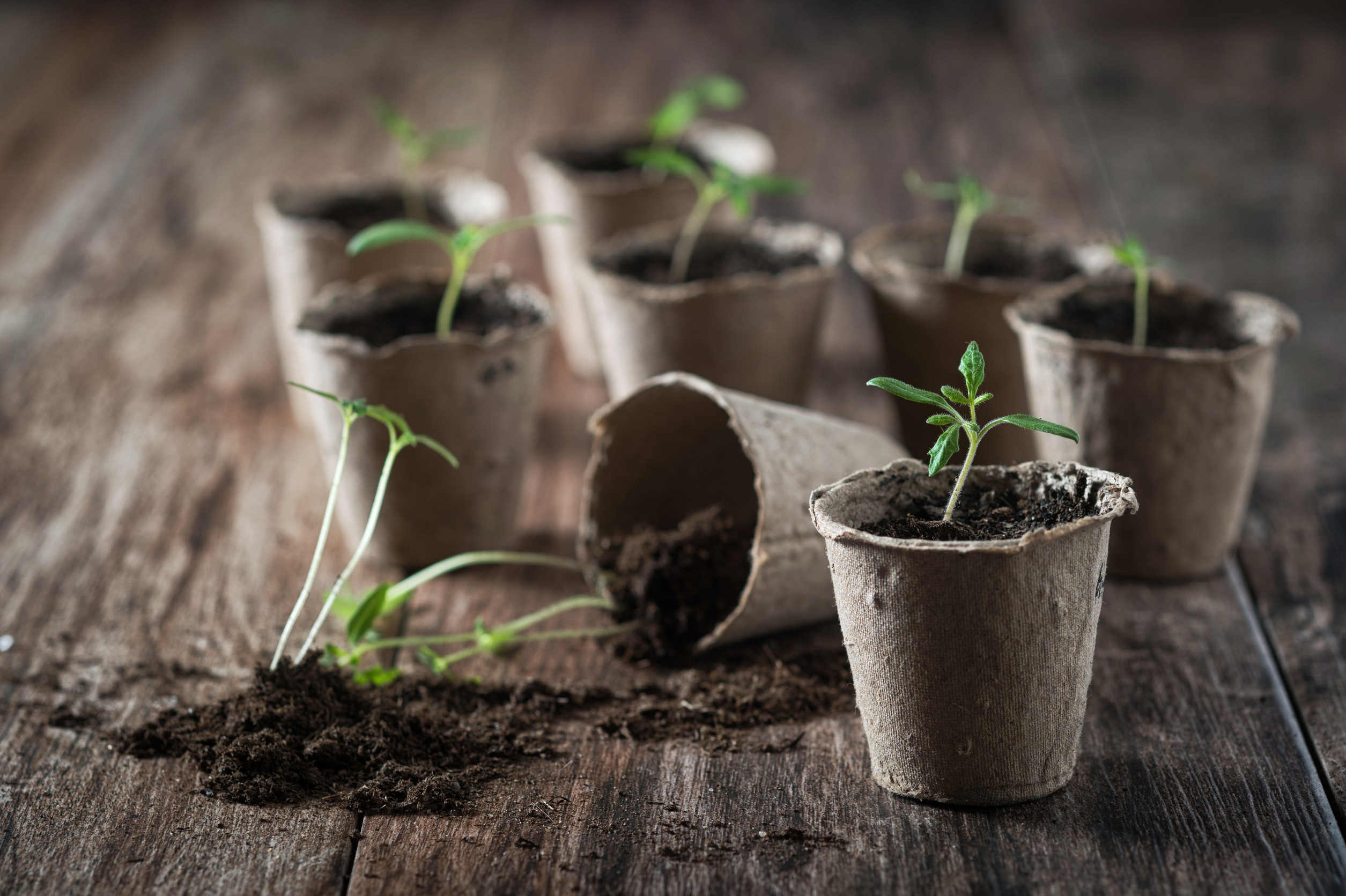
seed starting pots
Image Source: 123rf.com

For the next few weeks, I’ll be focusing on the topic of seed starting. I’ll be providing you with budget-friendly tips, hints, and strategies to get you started this gardening season without breaking the bank. This week, let’s talk about inventory and seed starting supplies.

Inventory

Every year, I have a mini panic about the stuff I need to purchase to get through the seed starting period. And then I quickly realized I already had plenty on hand from years prior. Carefully taking inventory is how I avoid overspending on seed and supply orders. Here’s what I ask myself:

  • Do I have enough seed trays and pots?
  • Are there any seeds I need to buy? Which ones?
  • How many plants of each type will I grow? I suggest referring to any plans you’ve drawn up during the winter months.
  • How many bags of soil mix do I need? 
  • What do I have on hand that I can reuse?

Guestimating is your enemy. Guessing how many pots or soil mix I need is a recipe for overspending. Knowing the exact numbers will save you from wrecking your budget. 

Buying Supplies
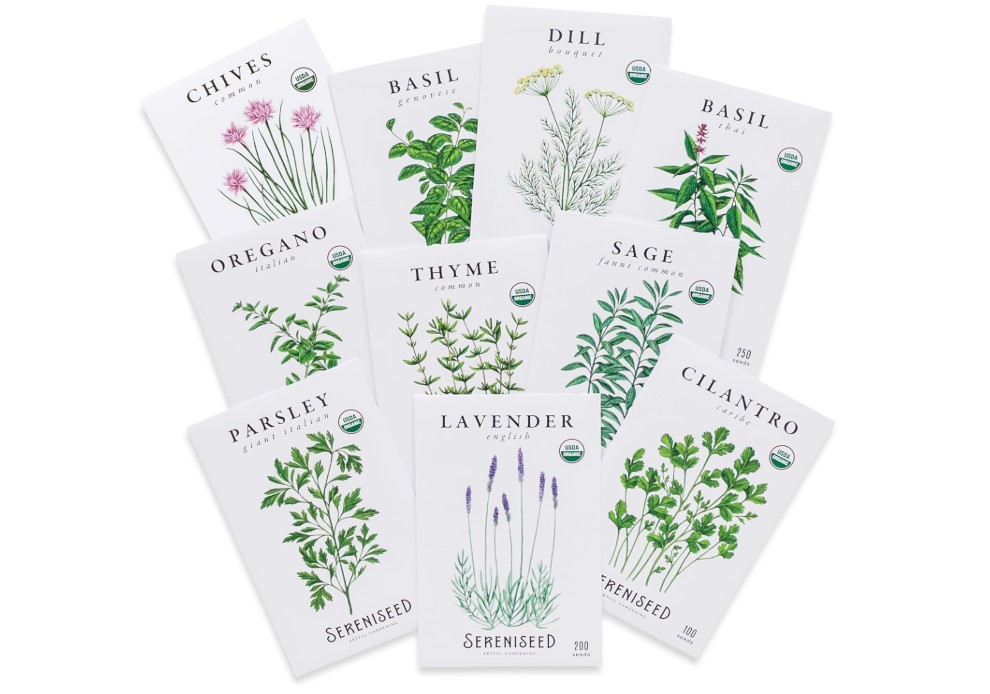
seed packets
Image Source: Amazon

Before you start clicking around online to purchase seeds and supplies, have a budget in mind. I typically set mine to no more than $50.

The three most important tools required for seed starting are:

  • Seed starting soil mix
  • Seeds
  • Containers

Through seed saving, you can drastically reduce your spending on seeds, but sometimes it’s fun to try new varieties. A tip for saving money if you’re buying seeds: buy them with a friend or two to save on shipping costs. Often, packets include way more seed than most gardeners would use in a single season. Pair up with another gardening pal so you can share and split the cost.

Each year, I re-use my seed starting flats and containers. The number one rule? Make sure to sanitize! Otherwise, you might end up with a whole tray of dead seedlings. Use found and recycled containers to save money. Only buy new containers and flats if the current ones are totally broken and unsuitable for planting. 

Soil mix is where I don’t skimp. I buy the best mix I can afford as long as it fits into my budget. Buy larger bags of soil mix to save cash. If buying online, keep a close eye on shipping costs. Some companies may charge extra fees for shipping bulky items. Don’t substitute bags of earth or potting soil for seed starting mix. Before buying, figure out how much soil you’ll need to fill your trays and containers. Remember, you can always buy more seed starting mix if you need it. 

Start Small

You don’t need to start with an intense operation all at once. Start small and increase your seedling production each year. I started off with seedlings under a small grow light in a single tray. Today, I have a homemade shelving system equipped with adjustable grow lights. I hope to add a shelf next year, but I’m in no rush. Be patient and purchase supplies when they’re on sale. As time progresses, you’ll find yourself more well-equipped than ever. 

Photograph of Steph Coelho.
Steph Coelho

Steph Coelho is a freelance writer gardening in zone 5b. She is a certified Square Foot Gardener and has taught various garden-related workshops. When she’s not digging in the dirt or writing, she’s cooking up fresh produce, running, or listening to her favorite podcasts.

Filed Under: seed starting Tagged With: Budget Friendly, garden supplies, gardening tips, Grow Your Own Food, seed starting

Previous Post: « Seed Starting on a Budget Series: DIY Containers
Next Post: Planning a Sustainable Garden for the New Year Is Easy With These 5 Tips »

Reader Interactions

Leave a Reply Cancel reply

Your email address will not be published. Required fields are marked *

Primary Sidebar

Struggling to get your garden off the ground? Put those days behind you with our special starter kit – perfect for thrifty green thumbs everywhere. Get growing and add a splash of color today!

Popular Posts

  • usda free seeds websiteHow To Get Free Seeds From The Government by Amanda Blankenship Seeds might seem like a small expense, but any seasoned…
  • Enviro Ice On PlantsShould I Use Enviro Ice On My Plants? by Kathryn Vercillo Every week, I receive food from Hungryroot. It's a great…
  • is shredded paper good for the gardenFrom Trash to Treasure: Transform Shredded Paper Into Garden Gold by Amanda Blankenship Should you use shredded paper as garden mulch? It might…
  • Enviro IceWhat Happens to Plants If You Use Enviro Ice on Them? by Amanda Blankenship About a year ago, I wrote our first article about…
5 Ways to Keep Newly Divided Irises From Drying Out

5 Ways to Keep Newly Divided Irises From Drying Out

Freshly divided irises look surprisingly tough. Those chunky rhizomes seem almost indestructible sitting on a garden cart, but appearances fool plenty of gardeners every season. Leave them exposed to hot sun, drying wind, or a forgotten afternoon on the driveway, and those healthy divisions can lose precious moisture before they even reach the soil. Keeping…

Read More

6 Crops That Can Grow Beneath a Simple Low Tunnel

6 Crops That Can Grow Beneath a Simple Low Tunnel

A simple low tunnel can turn a short gardening season into a much longer harvest adventure. With a few hoops, some row cover, and the right crops, gardeners can protect tender plants from chilly nights and keep fresh vegetables coming when outdoor beds slow down. Low tunnels do not require a fancy setup or a…

Read More

Why Are Your Figs Dropping Before They Ripen?

Why Are Your Figs Dropping Before They Ripen?

A fig tree loaded with tiny green treasures can create a gardener’s version of heartbreak when those fruits suddenly hit the ground before they become sweet, soft, and ready for picking. Fig trees often drop fruit early because they face stress from water problems, temperature swings, pollination issues, or even the wrong growing conditions. Early…

Read More

Are Keystone Plants More Valuable Than a Long Pollinator List?

Are Keystone Plants More Valuable Than a Long Pollinator List?

A garden packed with pollinator plants can look like a colorful buffet, but a shorter list featuring the right keystone plants may deliver a much bigger ecological impact. Choosing plants that support entire food webs helps gardeners create spaces where butterflies, bees, birds, and other wildlife find more than just a quick snack. Many gardening…

Read More

  • About
  • Contact Us
  • Garden Frugally
  • Buy These
  • Our Editorial Commitment
  • Navigation Menu: Social Icons

    • Facebook
    • Pinterest
    • Twitter
  • Facebook
  • Pinterest
  • Twitter

Copyright © 2026 · Foodie Pro & The Genesis Framework