• Skip to primary navigation
  • Skip to main content
  • Skip to primary sidebar

Frugal Gardening

Simple ways to save money while you garden

  • About
  • Contact Us
  • Garden Frugally
  • Buy These
  • Our Editorial Commitment
  • Navigation Menu: Social Icons

    • Facebook
    • Pinterest
    • Twitter

Hardening Off Plants Headache-Free

May 4, 2020 by Steph Coelho Leave a Comment

Hardening off plants

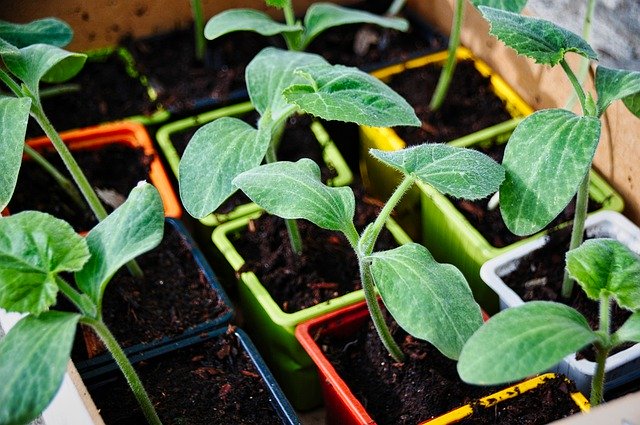
Hardening off plants is one of my least favorite gardening tasks. It requires a lot of care and attention, and it’s really easy to mess it up. I’ve yet to perfect the shuffle that involves bringing trays of seedling outside then back in. There’s always something that goes wrong. So let me help you avoid mistakes of your own by sharing all of mine, past, and present. 

What is hardening off?

Hardening off plants involves acclimating your indoor-grown seedlings to the outdoor climate and conditions. Inside your house, your baby plants are given plenty of tender, love, and care. If you don’t take the time to harden off your seedlings here’s what can happen:

  • Seedlings die because it’s too cold. 
  • Seedlings experience leaf burn because the sun is a whole lot stronger than any indoor lights your plant has previously been exposed to.
  • Seedlings die or become sickly because of transplant shock.
  • Seedlings topple over and stems break because it’s windy. 

How do I harden off my seedlings?

First, you should have an idea of when it’s appropriate to transplant your seedlings. Peppers and eggplants won’t be heading outside anytime soon in my climate because it’s still way too cold at night. 

Hardening off plants involves exposing them, little by little to outdoor temperatures, and, of course, the strong rays of the sun. In my experience, it takes a little over a week to complete the process because not every day looks the same weather-wise. Today, for instance, I didn’t bother putting my transplants outside for their second day of hardening off because the weather is stormy. I didn’t want to risk harming my tender starts.

Here’s a handy guide for hardening off seedlings

  • Day 1: Set out in the shade for 1-2 hours. Make sure the plants aren’t exposed to direct sunlight on their first day out in the wild.
  • Day 2: Increase outdoor plant time slightly, keeping them in shade.
  • Day 3: Increase time outdoors again with a little bit of time in the sun—make sure they’re not exposed to the sun at the hottest part of the day. They’re still not ready for that.
  • Day 4 and 5: Increase time outside in shade and sun incrementally. 
  • Day 6 to 7: Keep plants outside almost all day but bring them in at night.

Once that week of hardening off is complete, it’s time to transplant your starts in the garden. 

Errors to Avoid

There’s a lot of juggling around when hardening off plants. Set yourself a timer, so you don’t forget to bring plants inside, especially in the first few days. It’s easy to accidentally leave a tray of seedlings out in the hot afternoon sun and oops! You have a tray of burned plants on your hands. 

Don’t forget to water your plants! And if it rains, watch that your plants don’t stay sitting in a puddle of water all day. Drain the trays accordingly. 

Check the forecast, too. You don’t need to stick to a strict hardening off schedule. Adjust if you need to. Will it be unexpectedly chilly tomorrow? Don’t set out heat-loving starts until a day later when the warmth has returned. 

Photograph of Steph Coelho.
Steph Coelho

Steph Coelho is a freelance writer gardening in zone 5b. She is a certified Square Foot Gardener and has taught various garden-related workshops. When she’s not digging in the dirt or writing, she’s cooking up fresh produce, running, or listening to her favorite podcasts.

Filed Under: seed starting, transplanting Tagged With: hardening off, seedlings, starts, transplants

Previous Post: « Is Double Digging Worth It? Let’s Find Out!
Next Post: Are Compost Bins Worth the Money? »

Reader Interactions

Leave a Reply Cancel reply

Your email address will not be published. Required fields are marked *

Primary Sidebar

Struggling to get your garden off the ground? Put those days behind you with our special starter kit – perfect for thrifty green thumbs everywhere. Get growing and add a splash of color today!

Popular Posts

  • usda free seeds websiteHow To Get Free Seeds From The Government by Amanda Blankenship Seeds might seem like a small expense, but any seasoned…
  • Enviro Ice On PlantsShould I Use Enviro Ice On My Plants? by Kathryn Vercillo Every week, I receive food from Hungryroot. It's a great…
  • is shredded paper good for the gardenFrom Trash to Treasure: Transform Shredded Paper Into Garden Gold by Amanda Blankenship Should you use shredded paper as garden mulch? It might…
  • Enviro IceWhat Happens to Plants If You Use Enviro Ice on Them? by Amanda Blankenship About a year ago, I wrote our first article about…
unsolicited seeds in the mail

Received Seeds You Never Ordered? USDA Says Don’t Put Them in the Ground

Finding an unexpected packet of seeds in your mailbox might seem like a gardener’s version of free money. Before you scatter those mystery seeds into a flower bed or tuck them into a pot, however, the U.S. Department of Agriculture wants you to stop. The USDA Animal and Plant Health Inspection Service says non-compliant seeds,…

Read More

home compost problems

7 Garden Problems You Don’t Want Surviving in Next Year’s Compost

Turning this year’s garden waste into next year’s free soil amendment is one of the best money-saving tricks a gardener can use. But tossing everything you pull, prune, or rake into the pile can also turn home compost problems into next season’s garden problems. It’s generally a good idea for home gardeners to leave out…

Read More

houseplant pest inspection

This Tiny Pest Can Hitchhike Indoors on Your Houseplants This Fall

If your houseplants spent summer soaking up sunshine on the porch or patio, you may be preparing to bring them inside as fall nights get colder. Unfortunately, a plant isn’t always the only thing making the trip through your front door. Spider mites can hide on foliage, and they’re so tiny that you may notice…

Read More

reusing potting soil

Stop Buying Potting Soil Every Year — Here’s What Can Actually Be Reused

Dumping every container at the end of the gardening season can feel painfully wasteful, especially when you’ve filled several large planters with expensive potting mix. The good news is that gardeners don’t necessarily need to start with completely fresh bags every spring. The University of Illinois says soilless potting media can be reused when the…

Read More

  • About
  • Contact Us
  • Garden Frugally
  • Buy These
  • Our Editorial Commitment
  • Navigation Menu: Social Icons

    • Facebook
    • Pinterest
    • Twitter
  • Facebook
  • Pinterest
  • Twitter

Copyright © 2026 · Foodie Pro & The Genesis Framework