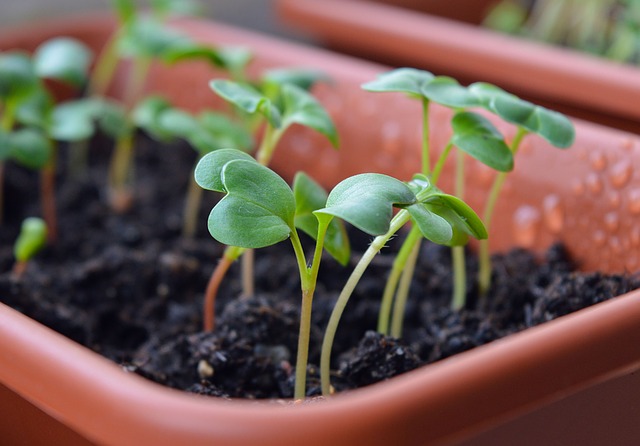
Seed starting this year was hit or miss. A few things grew beautifully, but I had to deal with a lot of problems. Seeds were not sprouting, mold was forming on the soil, and I had to deal with damping off. I worked hard to sanitize my seed starting equipment and create a hospital environment for my seedlings, but sometimes things just don’t work out. I ended up purchasing some starts to replace lost seedlings, which always makes me feel terribly guilty. Like I’m skipping a step.
Last year, I didn’t even bother with seed starting. My aunt passed away in the spring, and I was in no shape or mood to get excited about gardening. I kept my seed starting stuff tucked away in storage and didn’t think about my garden for a while. Typically, in March I’m already starting to dream about all the vegetable varieties I’m going to plant, and I’m closely watching the weather forecast. When things seem to have turned upside down, though, it’s hard to fantasize about growing plants.
Instead, in the early portion of the summer, my husband tagged along with me to our local nursery to help me pick out a few garden plants in an effort to brighten my spirits. I didn’t feel bad then that I had skipped my usual seed starting.
This year though, with all the setbacks I experienced as things failed to thrive on my grow shelves, visiting the nursery to buy transplants produced a pang of guilt. It’s hard not to feel like a failure.
But as I loaded my cart up with heat-loving eggplants and tomatoes, I realized it was perfectly fine to start a garden with transplants. There are surely pros and cons, but it doesn’t many you or I any less of a gardener. Many squares in my raised beds are filling out with seeds I sowed at the start of the season. A few surviving seedlings managed to settle in quite nicely in their garden squares and containers, too.
So let’s examine the pros and cons of each garden-starting method, shall we?
Benefits and downsides of seed starting
Seed starting is a customizable process. Make it all complicated or simple as you want. An involved setup with grow lights, shelves, and sturdy equipment naturally incurs higher costs than a basic windowsill setup, but it’s easy to adjust according to a set budget. Seed starting is also relatively easy, fun, and allows growers to try a myriad of vegetable varieties not typically available for purchase as transplants in the spring. Depending on your setup, starting seeds indoors is often cheaper overall than buying starts.
Seed starting, though, does require patience and effort since some seeds need to be started quite early and babysat up until their transplant date. When starting seedlings, you can share extras or even sell them and having a seed starting setup makes succession growing possible. Seed starting does require some space, though. You’ll also need to harden off seedlings in the spring when it’s time to transplant them outdoors. A plus with growing your own starts, however, is that you know exactly how they’ve been grown.
Benefits and downsides of buying transplants
The biggest downside is that transplants can be expensive. Look for sales at your local nursery or attend plant swaps and sales put on by local horticultural societies to save money. When buying starts, you don’t know how they’ve been grown. Are they organic? Have they been sprayed with pesticides? You’ll sometimes find this information readily available, but not always. When buying transplants, you also have a limited amount of choice available to you. With seeds, you can choose from an array of varieties. The benefit of selecting transplants from reputable growers? The plants grown are often explicitly chosen because they grow well within your region.
If you have limited room and little time to bother with seed starting, transplants are an excellent option.
Why buy transplants?
- Easier than seed starting
- Perfect for starting a new garden (especially in cases where you’re starting late in the season)
- Great for beginners
- No indoor space required
- Some plants are incredibly tough to start from seed (e.g., asparagus)
When buying seedlings, you do lose the experience of growing plants from seed. There’s nothing like it, but if circumstances require you to skip seed starting, there’s genuinely nothing wrong with heading to your local nursery for a green-themed shopping trip.

Steph Coelho is a freelance writer gardening in zone 5b. She is a certified Square Foot Gardener and has taught various garden-related workshops. When she’s not digging in the dirt or writing, she’s cooking up fresh produce, running, or listening to her favorite podcasts.
Leave a Reply