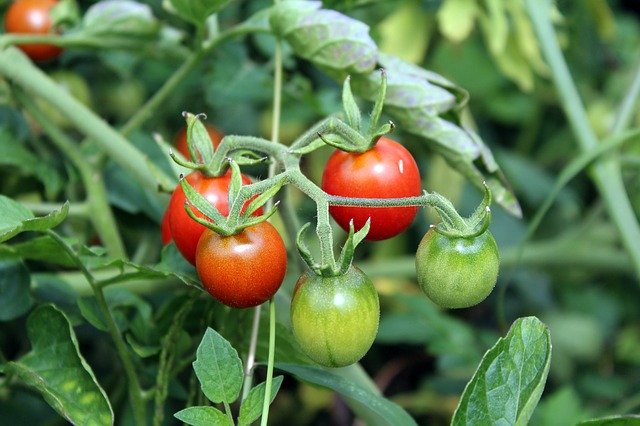
At one time, your gorgeous tomato plant was dotted with juicy, bright red fruit and had brilliant healthy green leaves. Now, the plant is looking under the weather, and its leaves are curling up. What’s going on? Why is your tomato plant taking a turn for the worse? Why does tomato foliage curl?
Tomatoes are relatively easy to grow. The right conditions produce delicious fruit. Unfortunately, unlike other edible garden plants, tomatoes are susceptible to a variety of pests, diseases, and problems. If something in the soil or environment is off, your tomato plant will send up signals, including curled leaves.
Here are a few reasons your plant might be experiencing leaf curl and how to troubleshoot:
Disease
Viral infections may cause tomato leaf curl. Pests transmit many plant viruses, so inspect the foliage carefully to check for an infestation. Diseased foliage also often exhibits other symptoms such as yellowing. If the problem is disease-related, you’ll typically notice other signs that your plant is unhealthy. Upward curling may be the result of a virus or environmental stress. Tomato mosaic virus, however, typically causes downward curling along (fruit is also affected).
If your tomato plant is infected with a virus, you should dispose of it as soon as possible to prevent infecting neighboring plants. Throw infected plants away, and do not put them in your compost bin.
Environmental Stress
Leaf curl may occur as a result of environmental stress and there are plenty of ways the environment can affect your tomato plant.
- Transplant shock
- Excessive pruning
- Wind damage
- Lack of water
- Too much water
- High temperatures
- Too much fertilizer
In cases where foliage curl is caused by environmental stressors, the situation is easy to rectify. Is drought causing the problem? Then be sure to water consistently or install an irrigation system. If transplant shock is the issue, try extending the hardening off period or waiting to transplant until temperatures have leveled off.
If you don’t deal with environmental stress, your plant may fail to produce fruit or leave you with a very meager harvest.
Pests
The presence of pests increases the chance of viral contamination. A large pest presence may also cause leaf curling. A tomato plant infested with aphids may exhibit leaf curl. It’s possible to manually remove the bugs (a strong stream of water from your garden hose should do) but keep an eye on your plant. Pests bring disease and there’s a chance your plant may need to be removed from your garden.
To prevent pest infestations remove diseased plant material as soon as possible, inspect plants purchased from outside sources before transplanting them into your garden, and cultivate healthy soil (avoid over-fertilizing, rotate crops, etc.)
Weed Killer Damage
Certain types of weed killers may also cause tomato leaf curl. The plant damage that results from herbicide contamination is not reversible, and plants are usually harmed beyond repair. How do you avoid this type of damage? Avoiding herbicide is your best bet. If you decide to use weed killers, be sure to use them carefully. Pay close attention to manufacturer guidelines. In cases where herbicide is the culprit, the leaves are usually heavily deformed. Don’t use weed killer? If your plants are located close to city sidewalks or neighboring yards, someone else might be spraying the chemicals that are harming your plants.

Steph Coelho is a freelance writer gardening in zone 5b. She is a certified Square Foot Gardener and has taught various garden-related workshops. When she’s not digging in the dirt or writing, she’s cooking up fresh produce, running, or listening to her favorite podcasts.
Leave a Reply