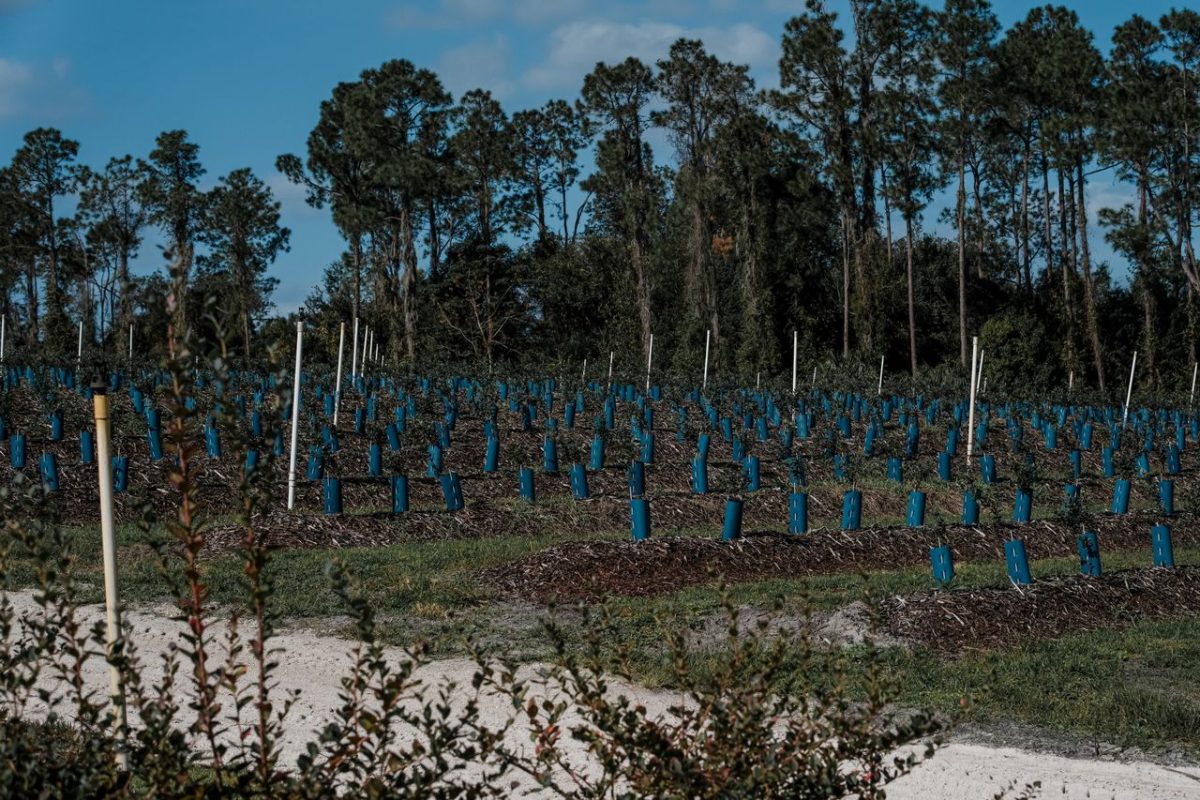
You spent money on a young tree, carefully planted it, and watched it grow throughout spring and summer. The last thing you want is to discover cracked bark, exposed wood, or animal damage when winter finally ends. Unfortunately, freezing temperatures, intense winter sunshine, and hungry wildlife can cause serious problems for trees that haven’t developed thick, protective bark.
Choosing the right tree guards for winter can help prevent these injuries without requiring expensive landscaping products. According to the University of Minnesota, young trees are especially vulnerable to winter sunscald and damage caused by rabbits, mice, voles, and deer. Here are seven types of protective guards worth considering, along with guidance on choosing the right option for your landscape.
White Spiral Tree Guards for Winter Sunscald
White spiral tree guards are among the most practical choices for protecting young, thin-barked trees from winter sunshine. These flexible plastic guards wrap around the trunk and reflect sunlight, helping reduce the temperature fluctuations that contribute to sunscald. The University of Minnesota recommends white plastic tree guards for susceptible species, including young maples, crabapples, cherries, and lindens. Choose a guard that accommodates the trunk without squeezing it, and inspect the fit periodically as the tree grows. Install the guard in fall and remove it after the last spring frost to prevent moisture buildup, pest problems, and potential damage from constriction.
Hardware Cloth Guards for Rabbits and Voles
If rabbits or voles regularly visit your garden, a cylinder made from quarter-inch hardware cloth may offer better protection than ordinary tree wrap. This sturdy metal mesh creates a physical barrier that prevents small animals from chewing through the bark during winter food shortages. According to the University of Minnesota, hardware cloth guards should extend approximately two to three inches below the soil surface to discourage mice and voles from reaching the trunk.
For rabbit protection, the barrier should rise 18 to 24 inches above the expected snow level because rabbits can feed surprisingly high when snow accumulates. Hardware cloth is especially economical for gardeners protecting multiple trees because larger rolls can be cut into individual guards and reused for several seasons.
White Commercial Tree Wrap for Thin-Barked Trees
Commercial tree wrap is another affordable option for preventing the temperature-related bark injuries associated with winter sunscald. Unlike rigid guards, this flexible material can be wrapped around trunks of different sizes, making it useful for young ornamental and fruit trees. The Iowa State University recommends wrapping vulnerable trunks in fall and removing protective coverings in spring. Light-colored reflective materials are preferable to dark wraps because they help prevent excessive heating during sunny winter afternoons. Remember that tree wrap primarily addresses sunscald and should not be considered a complete substitute for sturdy fencing when rabbits, voles, or deer are causing damage.
Rigid Plastic Mesh Guards for Animal Protection
Rigid plastic mesh guards provide a lightweight alternative to metal hardware cloth for protecting young tree trunks from certain types of animal damage. Their open design allows air circulation while creating a barrier between the bark and animals that might chew or rub against it. A University of Minnesota tree protection guide identifies rigid plastic mesh as an option for reducing damage from rabbits and deer antler rubbing.
However, mesh openings may be too large to stop smaller rodents, so gardeners dealing with voles should choose finer quarter-inch hardware cloth instead. These guards can be useful around backyard fruit trees and ornamental plantings, provided they’re securely installed and large enough to accommodate future trunk growth.
Corrugated Plastic Drainpipe for Young Tree Trunks
For gardeners looking for inexpensive tree guards for winter, light-colored corrugated plastic drainpipe can sometimes serve as a practical protective barrier. The University of Minnesota identifies plastic drainpipe as an option for protecting individual tree trunks from mice and other small animals. Choose a light-colored material rather than black plastic, which can absorb additional sunlight and increase temperature fluctuations around the bark. The pipe must be large enough to avoid pressing against the trunk, and any cut edges should be smooth enough to prevent rubbing injuries. This approach may be particularly useful when protecting several young trees, although guards still require regular inspection and eventual removal or replacement as trunks expand.
Welded Wire Cages for Deer and Larger Animals
When deer are the main problem, short spiral guards and small plastic sleeves may not provide enough protection. Deer can damage young trees by rubbing their antlers against trunks or browsing on branches, sometimes stripping away substantial areas of bark. The University of Minnesota explains that physical barriers are among the most reliable methods of preventing animal-related tree injuries. A sturdy welded wire cage positioned around the tree can help protect the trunk from rubbing, while taller fencing may be necessary to prevent browsing on branches. Although wire cages require more material than simple trunk wraps, they may be worth the investment for valuable fruit trees or newly planted landscape specimens in areas with heavy deer activity.
Combination Guards for Trees Facing Multiple Winter Threats
Some young trees face several hazards at once, including winter sunscald, rodent chewing, and deer activity. In these situations, combining a reflective white trunk wrap with a properly spaced hardware cloth cylinder may provide more complete protection than either product alone. The University of Minnesota recommends reflective trunk protection for sunscald and physical barriers for animal damage, making these complementary approaches useful in certain landscapes. Keep the outer barrier away from the bark, avoid trapping moisture, and remove seasonal wrapping when spring temperatures return. Before purchasing multiple products, inspect your garden for evidence of the actual problem so you don’t spend money protecting against threats that aren’t present.
Choosing the Right Guard Can Save Your Trees and Your Budget
The best tree guards for winter depend on what you’re trying to prevent, whether that’s sunscald, rodent damage, or deer rubbing. White reflective wraps and guards are generally better suited for protecting thin bark from winter sunshine, while quarter-inch hardware cloth offers stronger protection against small animals. Iowa State University also emphasizes that proper watering and avoiding unnecessary trunk injuries can help reduce winter damage, so guards should be part of a broader tree-care routine. Spending a little time choosing and installing appropriate protection can help prevent the expense of replacing a damaged tree that took years to establish.
Have you used tree guards to protect young trees during winter, and which materials have worked best in your garden? Share your experiences and money-saving tips in the comments.
What to Read Next
Fall Watering Rules for Newly Planted Trees and Shrubs
That Free Firewood Could Bring a Tree-Killing Pest Into Your Yard
Can You Grow an Avocado Tree From the Pit — And Will It Ever Produce Fruit?
Leave a Reply