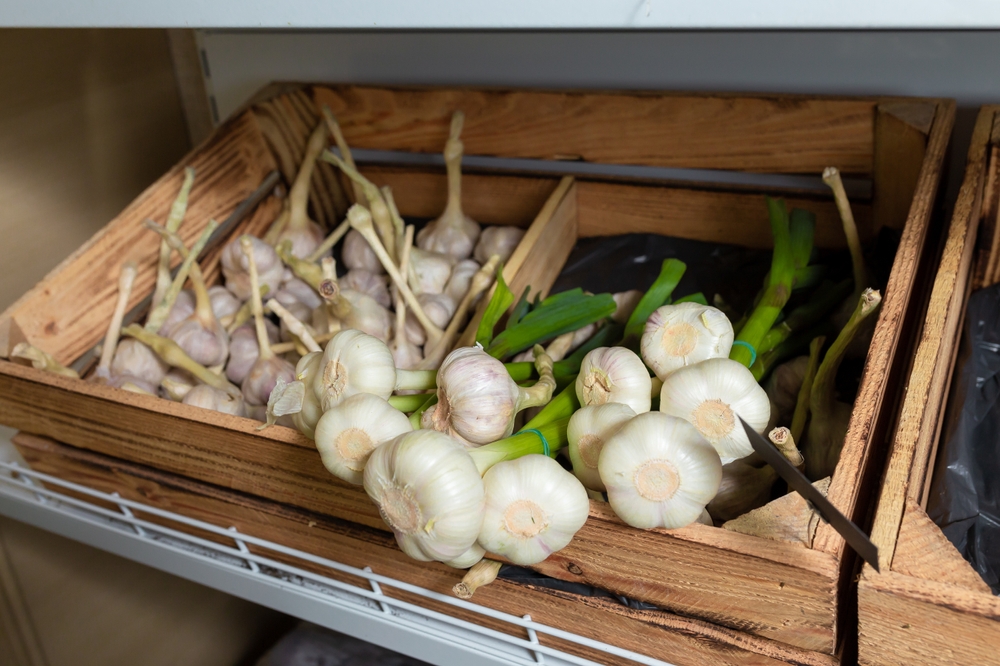
Standing in the produce aisle, it’s easy to wonder why you’d pay a premium for seed garlic when an ordinary bulb of garlic may cost only a dollar or two. After all, garlic isn’t normally grown from botanical seed—you break a bulb apart and plant individual cloves, which makes grocery store garlic look like an obvious gardening bargain. And here’s the interesting part: supermarket cloves sometimes will grow, despite the common advice telling gardeners not to plant them. Supermarket garlic may grow just fine in a garden, although it still recommends garlic specifically sold for planting. The real question, then, isn’t whether a grocery store clove can grow but whether saving a few dollars upfront is worth the disadvantages you may be planting along with it.
Yes, Grocery Store Garlic Can Produce a Plant
Garlic is normally propagated by planting individual cloves, so there is nothing fundamentally different about the biological process just because a bulb was sold in a supermarket produce department. If a healthy grocery store garlic clove sprouts and receives suitable growing conditions, it can develop roots, leaves, and potentially a new bulb. Gardeners can try supermarket garlic, although it cautions that some bulbs may have been treated to inhibit sprouting. That said, supermarket garlic may grow successfully but doesn’t recommend it as the first choice for planting. In other words, planting an extra clove from dinner can be an inexpensive experiment, but that’s different from depending on a supermarket bulb for your entire garlic crop.
Supermarket Garlic May Be the Wrong Variety for Your Climate
One of the strongest reasons to buy seed garlic has nothing to do with fancy packaging and everything to do with where that garlic is expected to grow. University of Minnesota advises gardeners to avoid grocery store cloves because supermarket garlic is primarily softneck garlic that may not perform well under Minnesota growing conditions. Gardeners in colder climates commonly grow hardneck types, while softneck garlic is generally better suited to milder conditions. Penn State similarly recommends purchasing seed bulbs from growers, garden centers, or seed catalogs and notes that hardneck types perform well in its climate because of their cold hardiness. A cheap grocery store garlic bulb isn’t much of a bargain if the variety was selected for commercial storage and shipping rather than reliable performance in your region.
Storage and Sprout Inhibitors Can Affect Your Results
Supermarket garlic has been handled with eating and shelf life in mind, not necessarily with future planting in mind. Oregon State University notes that grocery store garlic may have been treated to prevent new growth, which obviously isn’t ideal when new growth is exactly what a gardener wants. It’s important to note that supermarket bulbs may have been stored in ways that aren’t conducive to good bulb development. Seed garlic, by contrast, is intentionally sold as planting stock, so you’re buying cloves expected to produce another crop. You may save several dollars by starting with grocery store garlic, but poor emergence or undersized bulbs can erase those savings quickly.
Disease Is the Bigger Risk Frugal Gardeners Should Consider
A disappointing harvest is annoying, but introducing a persistent pest or disease into your garden can be considerably more expensive. Many garlic diseases can arrive on planting stock, and it is recommended to plant firm, healthy cloves obtained from reputable sources. Its guidance on stem and bulb nematodes is particularly sobering because the pest can arrive on infected seed material and survive for years in soil and plant debris. Even apparently healthy bulbs can harbor small numbers of nematodes, which is why growers are encouraged to use clean planting stock. That doesn’t mean every bulb of grocery store garlic is diseased, but food-quality garlic wasn’t necessarily produced and sold with disease-free garden propagation as its purpose.
Bigger Healthy Cloves Usually Make Better Planting Stock
Whether you buy seed garlic or experiment with a supermarket bulb, don’t simply plant every clove indiscriminately. You should aim to plant firm, healthy cloves. Additionally, gardeners can save garlic from their own harvest, keeping their biggest cloves to plant the following year. Larger cloves often result in larger mature bulbs. Avoid cloves that are soft, moldy, damaged, discolored, or showing suspicious decay, because planting questionable material isn’t worth risking garden space. If you’re testing grocery store garlic, choosing the largest, healthiest cloves at least gives your low-cost experiment a better starting point.
Planting Garlic Correctly Matters Regardless of Where You Bought It
Even premium seed garlic won’t compensate for poor timing, soggy soil, or planting cloves upside down. Garlic generally needs well-drained soil and full sun, and many regions plant it in fall so the cloves experience the cold period needed for proper bulb development. Penn State recommends planting individual cloves pointy-end up, about 1 to 2 inches deep and 6 to 7 inches apart under its regional conditions. Try to separate cloves only a day or two before planting, rather than breaking bulbs apart weeks in advance. Because exact timing and depth can vary with climate, checking your local Cooperative recommendations is smarter than applying one planting calendar to the entire country.
The Cheapest Long-Term Option May Be Neither One
There is another option that makes the grocery-versus-seed-garlic debate much less important after your first successful season. Buy appropriate, healthy seed garlic once, grow it successfully, and reserve some of your best bulbs as planting stock for the following year. Doing this, gardeners can save cloves from one crop to the next and keep the biggest ones for replanting. That means a one-time purchase can potentially become a self-renewing supply rather than an annual gardening expense. For a frugal gardener, establishing locally successful garlic and replanting your own healthy stock can make more financial sense than gambling on grocery store garlic every fall.
Seed Garlic Costs More, but You’re Buying More Than a Clove
If you have a spare supermarket bulb that’s already sprouting, planting a few cloves can be a fun experiment, and they genuinely may produce usable garlic. But if you’re devoting an entire bed to the crop, seed garlic offers important advantages: varieties suited to growing rather than supermarket storage, better knowledge of the source, and potentially lower disease risk. You can make that initial investment stretch much further by selecting your best healthy bulbs at harvest and saving large cloves to plant again the following season. That’s the sweet spot for frugal gardening—spending strategically once rather than automatically choosing the cheapest option and hoping it works.
Have you ever planted grocery store garlic, and did you get full-sized bulbs at harvest? Share what happened in your garden in the comments.
What to Read Next
Can Growing Garlic Really Save Money Over Buying It at the Grocery Store?
Garlic Goes in the Ground This Fall, But Timing It Wrong Can Ruin Next Year’s Harvest
Leave a Reply