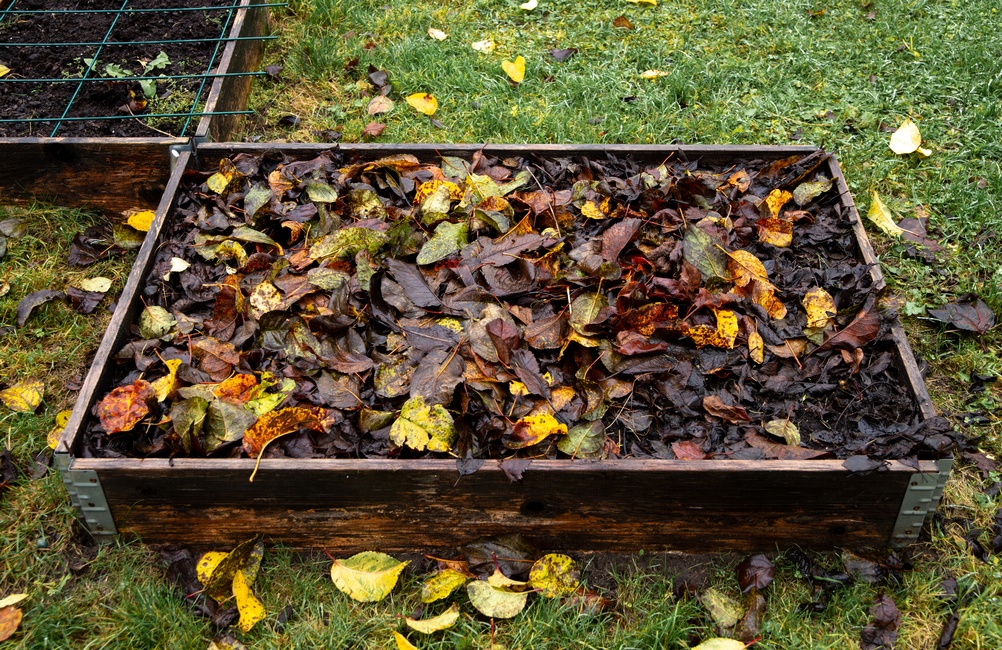
Every fall, homeowners rake up something valuable, stuff it into bags, haul it to the curb—and then head to the garden center a few months later to buy mulch. Fallen leaves aren’t just seasonal debris; they’re a source of free leaf mulch that can protect soil, suppress weeds, conserve moisture, and eventually return organic matter to the garden. Penn State calls fallen leaves a tremendous resource and recommends shredded leaves as mulch around trees, shrubs, and perennial beds. The trick isn’t abandoning fall cleanup completely, because thick mats of leaves can cause problems in the wrong places. It’s learning which leaves you can keep, where to put them, and how to turn an annual cleanup chore into something your garden would otherwise make you buy.
Your Leaves Can Replace Some Purchased Mulch
The simplest way to understand the value of fallen leaves is to think about what gardeners expect commercial mulch to accomplish. Mulch is commonly used to hold moisture in the soil, moderate soil temperatures, reduce erosion, suppress weeds, and gradually contribute organic material, and shredded leaves can perform many of those same jobs. Leaves can serve as mulch in vegetable gardens, flower beds, and around trees and shrubs, particularly after they’re shredded into smaller pieces. Penn State suggests applying shredded leaves about 2 to 4 inches deep around trees, shrubs, and perennial beds. If your trees produce enough material to cover several beds, free leaf mulch can replace bags of material you would otherwise purchase every year.
Shredding Leaves Solves One of Their Biggest Problems
Whole leaves don’t always behave like the tidy shredded bark that comes out of a commercial bag. Large leaves can blow around, pile against structures, or become wet and mat together tightly enough to restrict water movement toward the soil. Shredding leaves is best because smaller pieces decompose faster, stay in place more effectively, and are less likely to form those problematic mats. You don’t necessarily need a dedicated leaf shredder either, since running dry leaves through a lawn mower can accomplish much the same thing. That extra pass with the mower turns an unruly pile of yard debris into a much easier material to spread around the landscape.
Leaves Can Help Your Soil While They’re Saving Money
Unlike an inorganic landscape covering, free leaf mulch gradually becomes part of the soil as organisms break it down. Decomposing leaves improve soil structure, helping with water infiltration, moisture retention, root growth, and access to water, nutrients, and air. Likewise, organic matter can help sandy soil retain water while improving aeration and drainage in heavier clay soils. That’s an important distinction when calculating the real value of keeping leaves, because you’re potentially replacing some purchased mulch while simultaneously returning organic material and nutrients to the property that produced them.
You Don’t Have to Rake Every Leaf Off the Lawn Either
A light layer of leaves on the lawn doesn’t necessarily require hours with a rake and dozens of bags. Try mowing dry leaves into smaller pieces, which allows them to break down and return nutrients to the soil while potentially reducing the need for supplemental fertilizer. There is a limit, however, and Minnesota recommends switching to removal when leaf residue becomes so heavy that less than about half of the lawn surface remains visible. Excessive leaf litter left intact can contribute to problems such as snow mold, while thick matted leaves can suffocate turf and interfere with spring growth. The frugal strategy is therefore to mow manageable quantities into the lawn and relocate the excess to places where it can be more useful.
Vegetable Beds Can Put Fall Leaves to Work
An empty vegetable bed is another logical destination for leaves that would otherwise head to the curb. Consider spreading leaves over vegetable beds to help suppress weeds, protect against soil compaction from winter rain, improve soil structure, and boost fertility. Its soil guidance suggests roughly 1 to 2 inches of leaves on annual vegetable or flower beds in fall, with remaining material incorporated in spring if appropriate. Another option for gardeners with large quantities is to incorporate a 6- to 8-inch layer into garden soil in fall so it has time to decompose before spring planting. Either approach turns fall cleanup into preparation for next year’s garden rather than another bagged-waste expense.
Some Wildlife Benefits When You Don’t Clean Everything
Leaving some leaves isn’t solely about saving money because leaf litter can also function as habitat. A good bee habitat includes areas with leaf litter, plant stems, bare ground, and dead wood that remain undisturbed through fall and winter. Raking, tilling, and removing garden debris can destroy some of the places where native bees spend the winter, which is one reason an ecologically managed garden doesn’t need to look perfectly bare in December. Some tree species support insects that overwinter in association with their fallen leaves. Leaving strategic patches of leaves under trees or in perennial beds can therefore provide free leaf mulch while preserving habitat that an aggressively cleaned landscape loses.
Not Every Fallen Leaf Should Automatically Stay
“Leave the leaves” is useful advice, but it shouldn’t become an absolute rule that ignores plant disease or other garden conditions. Keep in mind, leaves from trees with serious foliar diseases can carry disease inoculum into the following season, so those leaves may require different handling depending on the disease involved. Oregon State also notes that leaf debris in perennial beds can provide places for slugs to lay eggs, making the benefits and drawbacks worth weighing around particularly slug-prone plants. Thick piles should also be moved away from lawns and other vegetation they could smother rather than being left untouched simply because leaves are beneficial somewhere else. Good gardening isn’t about keeping every leaf; it’s about putting healthy leaves where they’ll actually do some good.
Your Fall Cleanup Could Become Next Year’s Garden Budget
Once you start looking at fallen leaves as free leaf mulch, paying to dispose of all of them and then paying for replacement organic material begins to look unnecessary. Shred manageable amounts into the lawn, move excess leaves into perennial and vegetable beds, add some to the compost pile, and reserve strategic leaf litter where overwintering wildlife can use it. If you have more than you need immediately, leaves can even be collected and saved for later use rather than disappearing with municipal yard waste. The result won’t eliminate every mulch purchase for every gardener, but it can reduce waste while improving soil and stretching the money you’ve set aside for next season.
Do you reuse the leaves that fall in your yard, or have you always raked and bagged them? Tell us what you do with yours in the comments.
What to Read Next
Stop Buying Mulch — 5 Free Materials You May Already Have
Found a Snake Under the Mulch? Don’t Reach for It Until You Know What You’re Looking At
That Expensive Bagged Mulch May Be Sitting in Your Yard for Free
Leave a Reply