• Skip to primary navigation
  • Skip to main content
  • Skip to primary sidebar

Frugal Gardening

Simple ways to save money while you garden

  • About
  • Contact Us
  • Garden Frugally
  • Buy These
  • Privacy Policy
  • Navigation Menu: Social Icons

    • Facebook
    • Pinterest
    • Twitter

2 Important Recent Gardening Mistakes: Lessons to Share

July 22, 2019 by Steph Coelho Leave a Comment

I made two serious gardening mistakes this season that I think are worth sharing with you all. One was a mistake that I shouldn’t have made and another a simple error with significant consequences. 

This summer has been tough for gardening. Things are growing, but the numerous heat waves have caused plants to struggle. Even the ones who love the sun and heat! This type of extreme weather already has me thinking about the future of my garden. Will I be able to plant the myriad of greens I typically enjoy planting in the spring ever again? The shortened spring and quick arriving summer weather made it challenging to plant some of the stuff I’m used to. Now, the heat is causing even my peppers blossoms to drop. I’ve already begun browsing seed catalogs to find heat-tolerant varieties of everything I like to plant. 

Enough lamenting about the weather, though. Here are the two mistakes I will aim never to make again:

  1. Not checking nursery plants for insects

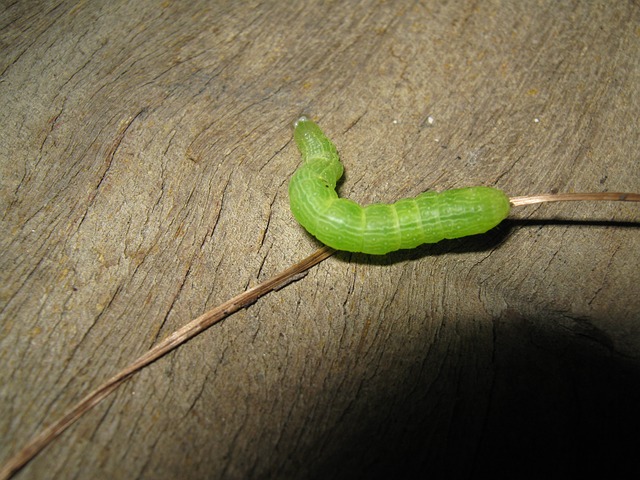
I was in such a hurry to plant and fill out my garden beds after a mass seedling failure that I bought plants without checking for pests that had already taken up residence. I was careful to throw away leftover seed starting mix after the seedling massacre because it’s clear that something was contaminated. In my rush, though, I planted healthy veg without looking for hiding insects, and I suffered the consequences. My pest covers were working wonders until I introduced an already infested plant underneath. The cabbage worm population increased exponentially, so I’ve had to continuously head to the garden each day to pick them off and control the infestation. Thankfully, the kale has grown big and strong and can handle a bit of damage. 

  1. Leaving the pest cover open overnight. 

I have another bed covered to prevent pests, but a few nights ago, I completely forgot to close it. Cabbage moths quickly found their way inside and had a party. Instead of having another batch of brassicas infested, I decided to pull up most of the kale in that bed and plant fall carrots, beans, and beets that won’t succumb to these pests. I left a few plants, though, as sacrificial items that I hope might draw cabbage moths away from other brassicas. While this was a costly mistake that was preventable, I’m less upset about it. Because, honestly, sh*t happens in the garden and all you can do is shrug it off and find a way to deal with or make the best of it. 

Which pest is giving you a hard time this year?

Have you had the problem before and do you intend to plant the vegetable again next year? Why or why not? Leave a comment and tell me about it! 

Photograph of Steph Coelho.
Steph Coelho

Steph Coelho is a freelance writer gardening in zone 5b. She is a certified Square Foot Gardener and has taught various garden-related workshops. When she’s not digging in the dirt or writing, she’s cooking up fresh produce, running, or listening to her favorite podcasts.

Filed Under: Uncategorized

Previous Post: « Watering Tips to Avoid Waste & Unhappy Plants
Next Post: Gardening During a Heatwave »

Reader Interactions

Leave a Reply Cancel reply

Your email address will not be published. Required fields are marked *

Primary Sidebar

Struggling to get your garden off the ground? Put those days behind you with our special starter kit – perfect for thrifty green thumbs everywhere. Get growing and add a splash of color today!

Popular Posts

  • usda free seeds websiteHow To Get Free Seeds From The Government by Amanda Blankenship Seeds might seem like a small expense, but any seasoned…
  • Enviro Ice On PlantsShould I Use Enviro Ice On My Plants? by Kathryn Vercillo Every week, I receive food from Hungryroot. It's a great…
  • is shredded paper good for the gardenFrom Trash to Treasure: Transform Shredded Paper Into Garden Gold by Amanda Blankenship Should you use shredded paper as garden mulch? It might…
  • Enviro IceWhat Happens to Plants If You Use Enviro Ice on Them? by Amanda Blankenship About a year ago, I wrote our first article about…
The Baking Soda Secret for Sweeter Tomatoes Every Time

The Baking Soda Secret for Sweeter Tomatoes Every Time

Gardeners chase that perfect tomato flavor all season long—rich, juicy, and just sweet enough to make every bite unforgettable. The surprising twist? A simple pantry staple often holds the key to unlocking that sweetness without expensive fertilizers or complicated techniques. Baking soda, humble and inexpensive, has sparked plenty of buzz among backyard growers for its…

Read More

Why Professional Growers Use White Vinegar Instead of Expensive Sprays

Why Professional Growers Use White Vinegar Instead of Expensive Sprays

A simple bottle sitting in most kitchen cabinets has quietly become a powerhouse tool in commercial growing operations. Professional growers often skip pricey chemical sprays and reach for a far cheaper, highly effective solution: white vinegar. This everyday liquid delivers surprising results across weed control, pest management, and soil balance when used correctly. It costs…

Read More

The Aspirin Trick: How a 10-Cent Pill Boosts Your Plant’s Immune System

The Aspirin Trick: How a 10-Cent Pill Boosts Your Plant’s Immune System

Gardeners enjoy a good hack, especially one that costs pocket change and delivers real results. That tiny aspirin tablet sitting in a medicine cabinet holds surprising power far beyond headache relief. Plants respond to aspirin in a way that feels almost like a secret handshake with nature itself. With the right approach, this simple trick…

Read More

The Cinnamon Hack: The $1 Kitchen Spice That Kills Garden Fungus

The Cinnamon Hack: The $1 Kitchen Spice That Kills Garden Fungus

Garden fungus doesn’t just ruin leaves—it quietly sabotages entire harvests. Powdery mildew, damping-off, and leaf spot spread fast, especially in warm, humid conditions, leaving plants weak and unproductive. Store-bought fungicides can cost a surprising amount and often contain chemicals that gardeners hesitate to use around edible crops. That’s where cinnamon steps in as a simple,…

Read More

  • About
  • Contact Us
  • Garden Frugally
  • Buy These
  • Privacy Policy
  • Navigation Menu: Social Icons

    • Facebook
    • Pinterest
    • Twitter
  • Facebook
  • Pinterest
  • Twitter

Copyright © 2026 · Foodie Pro & The Genesis Framework