• Skip to primary navigation
  • Skip to main content
  • Skip to primary sidebar

Frugal Gardening

Simple ways to save money while you garden

  • About
  • Contact Us
  • Garden Frugally
  • Buy These
  • Our Editorial Commitment
  • Navigation Menu: Social Icons

    • Facebook
    • Pinterest
    • Twitter

The Cleanup Begins

September 24, 2018 by Steph Coelho Leave a Comment

I was going to write about dehydrating this week, but I haven’t gotten around to that task yet. Hopefully, my herbs won’t be wilted by the time I get to it!

Instead, I’ve found myself mostly tidying up the garden in anticipation of the end of the season. The weather has cooled down considerably, but that doesn’t mean that I’m closing up shop. Au contraire! Like weeding, it’s important to stay on top of cleaning the garden. For the frugal gardener, time is money, after all. A gradual closing down of your green space is more manageable than a scramble at the last minute.

Why tidy up?

Why not leave everything where it is? Wouldn’t that be so much easier? For the moment, probably. But, clearing dead (or almost dead) plants and prepping beds for the winter will make gardening in the new year so much easier. I know it’s incredibly difficult to pull up plants that have produced so much over the summer, but leaving them there may encourage pests and diseases to take up residence. All that debris will also be in your way when warmer weather comes back around next year. It’s also unsightly. Tidying up the garden provides a clean slate and makes it easier to imagine next year’s bounty.

Clean up tasks


  • Pull up dead plants – Right now, I’ve started pulling up my cucumber plant. It’s no longer producing (I suspect a pest was involved in its demise). The tomato and eggplants are done, too, so I’ll pick the last fruits and gently remove the tall plants and their stakes Removing the stakes is important since once the ground freezes, they’re stuck there.


  • Mulch – I mulch the remaining plants and prep the empty squares for something that will be arriving in the mail quite soon: GARLIC!


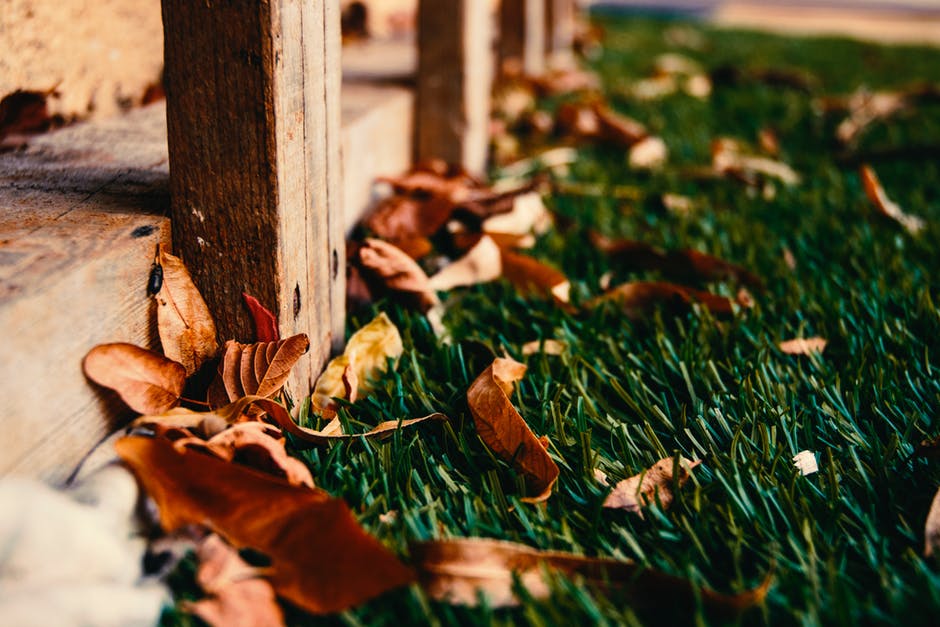
  • Cover empty beds with leaves – Squares that will remain empty until the spring are topped with fallen leaves that will decompose and add organic matter to the soil. I have a large maple tree next to my garden, so the leaves inevitably accumulate there. It’s easier to let them be.


  • Add compost – I also add compost to the empty spots, but this year after replacing the old unit, new compost isn’t quite ready. I’ll have to make do with leaves for now.


  • Save seeds – I haven’t gotten around to this yet, but it’s another vital cleanup task. It’s also something I’m still learning and experimenting with.


  • Store things away – I put away any delicate pots and other garden decorations to keep them safe during the winter and prevent damage.


Slow down but don’t stop

There’s no need to pull frost-hardy vegetables. Carrots, beets, and kale, for instance, are all happy snuggling in the cooler dirt. With fall arriving, it becomes a bit harder to gauge what your remaining plants might need to survive. As the weather cools, I often completely forget that it’s still necessary to water the garden. But, your fall crops still need to drink.

Veggies still need to be harvested, mulch may be required with drier periods, and you’ll still need to keep an eye out for pests and scavengers. My gardening activities naturally wind down as autumn arrives, but it’s critical to avoid letting everything go wild. Taking care now will prevent weeds from taking up root in the spring, and pests from popping up when the sun shines bright again next year.

Photograph of Steph Coelho.
Steph Coelho

Steph Coelho is a freelance writer gardening in zone 5b. She is a certified Square Foot Gardener and has taught various garden-related workshops. When she’s not digging in the dirt or writing, she’s cooking up fresh produce, running, or listening to her favorite podcasts.

Filed Under: Uncategorized

Previous Post: « Recipe: Garden Inspired Sushi Bowls
Next Post: Queen of the Cold Months: Kale »

Reader Interactions

Leave a Reply Cancel reply

Your email address will not be published. Required fields are marked *

Primary Sidebar

Struggling to get your garden off the ground? Put those days behind you with our special starter kit – perfect for thrifty green thumbs everywhere. Get growing and add a splash of color today!

Popular Posts

  • usda free seeds websiteHow To Get Free Seeds From The Government by Amanda Blankenship Seeds might seem like a small expense, but any seasoned…
  • Enviro Ice On PlantsShould I Use Enviro Ice On My Plants? by Kathryn Vercillo Every week, I receive food from Hungryroot. It's a great…
  • is shredded paper good for the gardenFrom Trash to Treasure: Transform Shredded Paper Into Garden Gold by Amanda Blankenship Should you use shredded paper as garden mulch? It might…
  • Enviro IceWhat Happens to Plants If You Use Enviro Ice on Them? by Amanda Blankenship About a year ago, I wrote our first article about…
Sugarbeets, Sugarcane, and Vegetable Costs: What Gardeners Can Learn From Commodity Stress

Sugarbeets, Sugarcane, and Vegetable Costs: What Gardeners Can Learn From Commodity Stress

A bag of sugar at the grocery store or a basket of vegetables at the market might seem far removed from a backyard garden, but the same forces affect both. Sugarbeets, sugarcane, and vegetable crops all depend on healthy soil, reliable water, and favorable growing conditions. When drought and weather stress challenge large farms, home…

Read More

10 Vegetables That Give the Best Return for Small Gardens

10 Vegetables That Give the Best Return for Small Gardens

A small garden does not mean a small harvest. The right vegetables can turn a tiny backyard bed, patio container, or sunny corner into a surprisingly productive food-growing space. Choosing crops that keep producing, grow vertically, or deliver multiple harvests can help gardeners squeeze more value out of every square foot. Some vegetables simply earn…

Read More

Make the Switch to Microclover Lawns: Clover Mixes Feed Themselves, Suppress Weeds and Stay Green

Make the Switch to Microclover Lawns: Clover Mixes Feed Themselves, Suppress Weeds and Stay Green

The traditional grass lawn has ruled neighborhoods for generations, but microclover lawns are changing the backyard game. This tiny-leafed clover mix brings a fresh approach to landscaping by adding natural nitrogen, reducing weed pressure, and keeping a greener appearance with less fuss. Microclover does not promise a completely maintenance-free yard, but it can make lawn…

Read More

Misusing New Weed Killers Can Warp Your Shrubs—Triclopyr Stays in Soil for Months

Misusing New Weed Killers Can Warp Your Shrubs—Triclopyr Stays in Soil for Months

A weed killer can solve one garden headache while quietly creating another. Products containing triclopyr can damage shrubs when gardeners apply too much, spray too close, or ignore how long this herbicide can remain active in soil. Many gardeners reach for stronger weed control when vines, brush, and stubborn broadleaf weeds start taking over the…

Read More

  • About
  • Contact Us
  • Garden Frugally
  • Buy These
  • Our Editorial Commitment
  • Navigation Menu: Social Icons

    • Facebook
    • Pinterest
    • Twitter
  • Facebook
  • Pinterest
  • Twitter

Copyright © 2026 · Foodie Pro & The Genesis Framework