• Skip to primary navigation
  • Skip to main content
  • Skip to primary sidebar

Frugal Gardening

Simple ways to save money while you garden

  • About
  • Contact Us
  • Garden Frugally
  • Buy These
  • Privacy Policy
  • Navigation Menu: Social Icons

    • Facebook
    • Pinterest
    • Twitter

Here’s How To Build A Garden Fence For Your Herbs and Vegetables

September 3, 2024 by Amanda Blankenship Leave a Comment

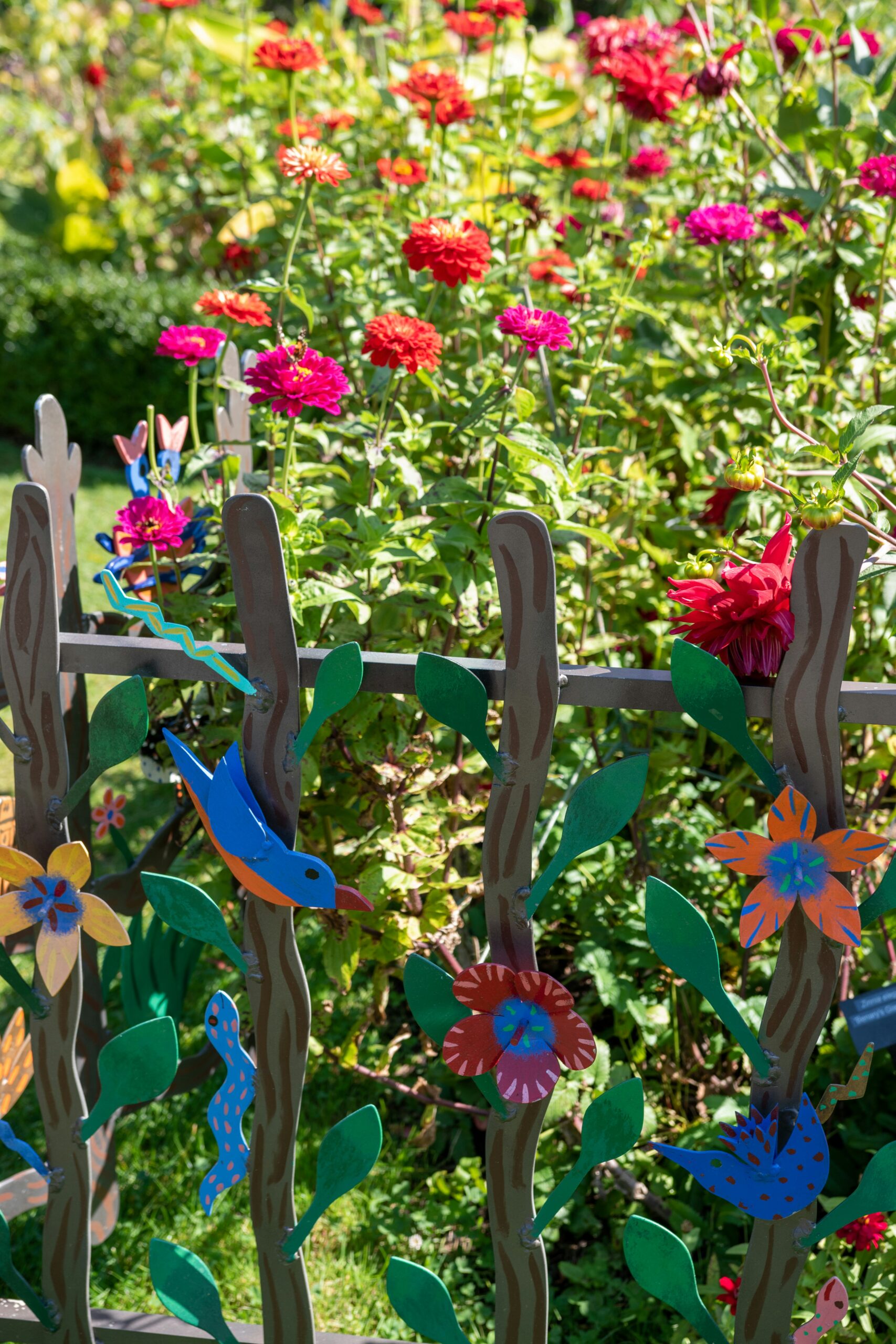
ornate garden fence - how to build a garden fence

Photo by Rusty Watson on Unsplash

Creating a sturdy garden fence can protect your herbs and vegetables from pests while enhancing the aesthetic appeal of your garden. Here’s a step-by-step guide to building one yourself.

1. Plan Your Fence Design

Before purchasing materials, determine the size and shape of your garden. Draw a blueprint to save time and ensure you buy the correct amount of wood and other supplies. A well-thought-out plan will prevent unnecessary costs and make the building process smoother.

2. Gather Your Materials

For a typical 12ft x 8ft garden fence, you’ll need timber, hardware cloth, wood screws, and basic tools like a miter saw, post-hole digger, and drill. High-quality materials ensure the fence is durable and capable of withstanding the elements, keeping your garden secure.

3. Construct the Frame

Cut the timber to the appropriate lengths, ensuring they are slightly taller than the hardware cloth. Begin by digging post holes about 2 feet deep and insert the timber posts, leaving 5 feet above ground. Make sure they are level before moving on to the next step.

4. Attach the Hardware Cloth

Lay out the hardware cloth over the frame, securing it with a staple gun. This step is crucial for preventing small animals like rabbits and birds from entering your garden. Be sure to stretch the cloth tightly to avoid any gaps.

5. Build and Install the Door

Using leftover timber, construct a simple door frame and attach a piece of hardware cloth to it. Secure the door with hinges and a latch, making sure it swings open and closes easily. This provides convenient access while keeping your plants safe.

6. Add Finishing Touches

To complete the fence, consider adding mulch, wood chips, or small stones around the perimeter. This not only gives the garden a polished look but also helps with weed control and drainage.

Start Building Your Garden Fence Today

Building a garden fence may seem like a daunting task, but with proper planning and the right materials, it can be a rewarding project. Protect your herbs and vegetables while enhancing the look of your outdoor space.

Filed Under: Uncategorized

Previous Post: « The Ultimate Guide To Simple Home Upgrades
Next Post: Rid Your Garden of These 7 Insects With These Hacks »

Reader Interactions

Leave a Reply Cancel reply

Your email address will not be published. Required fields are marked *

Primary Sidebar

Struggling to get your garden off the ground? Put those days behind you with our special starter kit – perfect for thrifty green thumbs everywhere. Get growing and add a splash of color today!

Popular Posts

  • usda free seeds websiteHow To Get Free Seeds From The Government by Amanda Blankenship Seeds might seem like a small expense, but any seasoned…
  • Enviro Ice On PlantsShould I Use Enviro Ice On My Plants? by Kathryn Vercillo Every week, I receive food from Hungryroot. It's a great…
  • is shredded paper good for the gardenFrom Trash to Treasure: Transform Shredded Paper Into Garden Gold by Amanda Blankenship Should you use shredded paper as garden mulch? It might…
  • Enviro IceWhat Happens to Plants If You Use Enviro Ice on Them? by Amanda Blankenship About a year ago, I wrote our first article about…
How to Test Soil Drainage Before Planting

How to Test Soil Drainage Before Planting

A garden may appear to be perfect on the surface and still fail spectacularly underneath. That rich, dark soil might promise thriving plants, but if water lingers too long or disappears too fast, roots will struggle, rot, or dry out before they ever get established. Soil drainage decides whether a garden becomes a lush paradise…

Read More

Why Slugs Target Certain Plants First and How to Stop Them

Why Slugs Target Certain Plants First and How to Stop Them

A garden can look flawless one evening and completely ravaged by morning. Leaves that looked lush and healthy suddenly wear jagged holes, and tender seedlings vanish like they never existed. That kind of overnight destruction doesn’t happen by accident, and it doesn’t happen randomly either. Slugs don’t wander aimlessly through a garden. They make calculated…

Read More

5 Budget Ways to Mark Garden Rows Clearly

5 Budget Ways to Mark Garden Rows Clearly

A messy garden row can ruin the whole vibe. Seeds go in with good intentions, but without clear lines, everything turns into a guessing game faster than weeds can pop up. Order matters in a garden, and not just for looks. Clear rows help track what grows where, prevent accidental trampling, and make watering and…

Read More

When to Thin Seedlings for Maximum Growth

When to Thin Seedlings for Maximum Growth

There’s a moment in every gardener’s life that feels equal parts terrifying and exhilarating: it’s the moment you stare down a tray of seedlings and realize they’re multiplying faster than expected. Tiny green shoots, delicate stems, and leaves smaller than a fingernail suddenly demand attention. It’s not just about nurturing life—it’s about making a choice…

Read More

  • About
  • Contact Us
  • Garden Frugally
  • Buy These
  • Privacy Policy
  • Navigation Menu: Social Icons

    • Facebook
    • Pinterest
    • Twitter
  • Facebook
  • Pinterest
  • Twitter

Copyright © 2026 · Foodie Pro & The Genesis Framework