• Skip to primary navigation
  • Skip to main content
  • Skip to primary sidebar

Frugal Gardening

Simple ways to save money while you garden

  • About
  • Contact Us
  • Garden Frugally
  • Buy These
  • Our Editorial Commitment
  • Navigation Menu: Social Icons

    • Facebook
    • Pinterest
    • Twitter

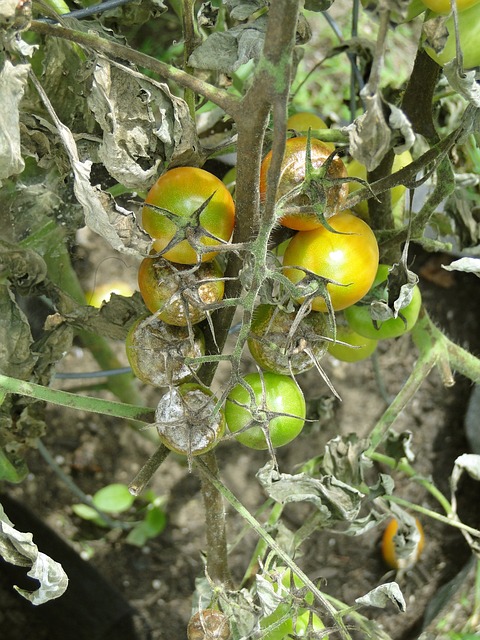
Dealing with Tomato Blight

August 5, 2019 by Steph Coelho Leave a Comment

I find it incredible that my garden can handle such intense weather variations. One week it’s boiling outside, the next the temperature drops to a balmy 10 degrees celsius overnight. I’m grateful for the respite from the heat, but cooler, wet weather brings along a whole other set of problems, including tomato blight.

What is tomato blight?

Blight actually refers to a collection of fungal diseases that affect most nightshade plants (e.g., potatoes, tomatoes, eggplants, and peppers). The condition advances rapidly, turning leaves brown and leaving your plant looking like it’s on its last legs. Blight can also affect the main stem of your plant and, in advanced stages, can even affect the fruit.

What causes blight?

There’s a downside to cool weather, especially if the air is humid rather than dry. Plant diseases — fungi and bacteria — love damp, moist conditions. 

Measures to avoid blight

Prevention is the best cure for any type of garden disease. To stop this fungal infection from spreading among your nightshades do the following:

  • Practice proper crop rotation. If blight hits your plants this year, planting them in the same location will lead to a predictable outcome. 
  • Avoid watering plant foliage. Don’t get the leaves of your plant wet. Water from below, instead.
  • Allow for adequate air circulation. Space the plants appropriately and prune as needed to ensure your plants aren’t squished together. Better airflow ensures that even after heavy rainfall, your plants won’t stay humid and moist. 
  • Keep leaves off the ground. Trim and prune the bottom leaves of your tomato plants. If they fall onto the soil, they’re more likely come into contact with a fungal infection. 
  • Use supports. Letting your tomato plants sprawl is the lazy gardener’s way, but it’s also an ideal way for your plants to contract blight. Use stakes or tomato cages to keep your plants off the ground. 

What happens if my plants are already affected?

Trim off diseased portions of your plants. If the disease has spread too much and your plant is too far gone, remove it from your garden. Do not toss it into the compost pile. 

Fungicides are another option. I suggest opting for organic products. This solution is best when blight is caught early. Avoid relying on chemicals to solve problems like these. They may work in the short term, but prevention is the best way to avoid long-term issues and spending money down the line. 

Photograph of Steph Coelho.
Steph Coelho

Steph Coelho is a freelance writer gardening in zone 5b. She is a certified Square Foot Gardener and has taught various garden-related workshops. When she’s not digging in the dirt or writing, she’s cooking up fresh produce, running, or listening to her favorite podcasts.

Filed Under: Uncategorized Tagged With: tomato blight

Previous Post: « Gardening During a Heatwave
Next Post: The No-Cost Way to Increased Tomato Yields: Pruning »

Reader Interactions

Leave a Reply Cancel reply

Your email address will not be published. Required fields are marked *

Primary Sidebar

Struggling to get your garden off the ground? Put those days behind you with our special starter kit – perfect for thrifty green thumbs everywhere. Get growing and add a splash of color today!

Popular Posts

  • usda free seeds websiteHow To Get Free Seeds From The Government by Amanda Blankenship Seeds might seem like a small expense, but any seasoned…
  • Enviro Ice On PlantsShould I Use Enviro Ice On My Plants? by Kathryn Vercillo Every week, I receive food from Hungryroot. It's a great…
  • is shredded paper good for the gardenFrom Trash to Treasure: Transform Shredded Paper Into Garden Gold by Amanda Blankenship Should you use shredded paper as garden mulch? It might…
  • Enviro IceWhat Happens to Plants If You Use Enviro Ice on Them? by Amanda Blankenship About a year ago, I wrote our first article about…
September Isn’t the End of the Vegetable Garden: These 8 Crops Can Still Go in the Ground

September Isn’t the End of the Vegetable Garden: These 8 Crops Can Still Go in the Ground

September does not have to mean waving goodbye to the vegetable garden. Depending on your climate and first frost date, plenty of cool-season crops can still go into the soil now and give you fresh food long after the tomatoes start looking exhausted. The key involves choosing vegetables that actually enjoy cooler weather instead of…

Read More

Bringing Houseplants Back Inside? Check These 6 Places for Bugs First

Bringing Houseplants Back Inside? Check These 6 Places for Bugs First

Bringing houseplants back inside sounds simple: carry the pots indoors, find them a sunny window, and call it a day. Unfortunately, tiny freeloaders may have other plans. Outdoor plants can pick up aphids, spider mites, mealybugs, scale and other pests during the growing season, and a plant that looks perfectly clean at a glance can…

Read More

Don’t Compost These 7 Plants When You Clean Out the Garden This Fall

Don’t Compost These 7 Plants When You Clean Out the Garden This Fall

Fall garden cleanup creates a mountain of tempting compost material, but not everything that came out of the garden belongs in that pile. Some plants can carry diseases, spread from stubborn pieces of root, or dump a fresh crop of weed seeds into the compost you plan to use next year. That does not mean…

Read More

Bought Seeds Online From an Unknown Seller? USDA Says Don’t Plant Them Until You Check This

Bought Seeds Online From an Unknown Seller? USDA Says Don’t Plant Them Until You Check This

That packet of unusual flower or vegetable seeds from an unfamiliar online seller might look like a bargain, but the USDA has a very good reason for telling gardeners to pump the brakes. Before planting seeds bought online, check where they came from and whether they meet U.S. import requirements. That matters even more when…

Read More

  • About
  • Contact Us
  • Garden Frugally
  • Buy These
  • Our Editorial Commitment
  • Navigation Menu: Social Icons

    • Facebook
    • Pinterest
    • Twitter
  • Facebook
  • Pinterest
  • Twitter

Copyright © 2026 · Foodie Pro & The Genesis Framework