• Skip to primary navigation
  • Skip to main content
  • Skip to primary sidebar

Frugal Gardening

Simple ways to save money while you garden

  • About
  • Contact Us
  • Garden Frugally
  • Buy These
  • Our Editorial Commitment
  • Navigation Menu: Social Icons

    • Facebook
    • Pinterest
    • Twitter

Here’s How To Build A Garden Fence For Your Herbs and Vegetables

September 3, 2024 by Amanda Blankenship Leave a Comment

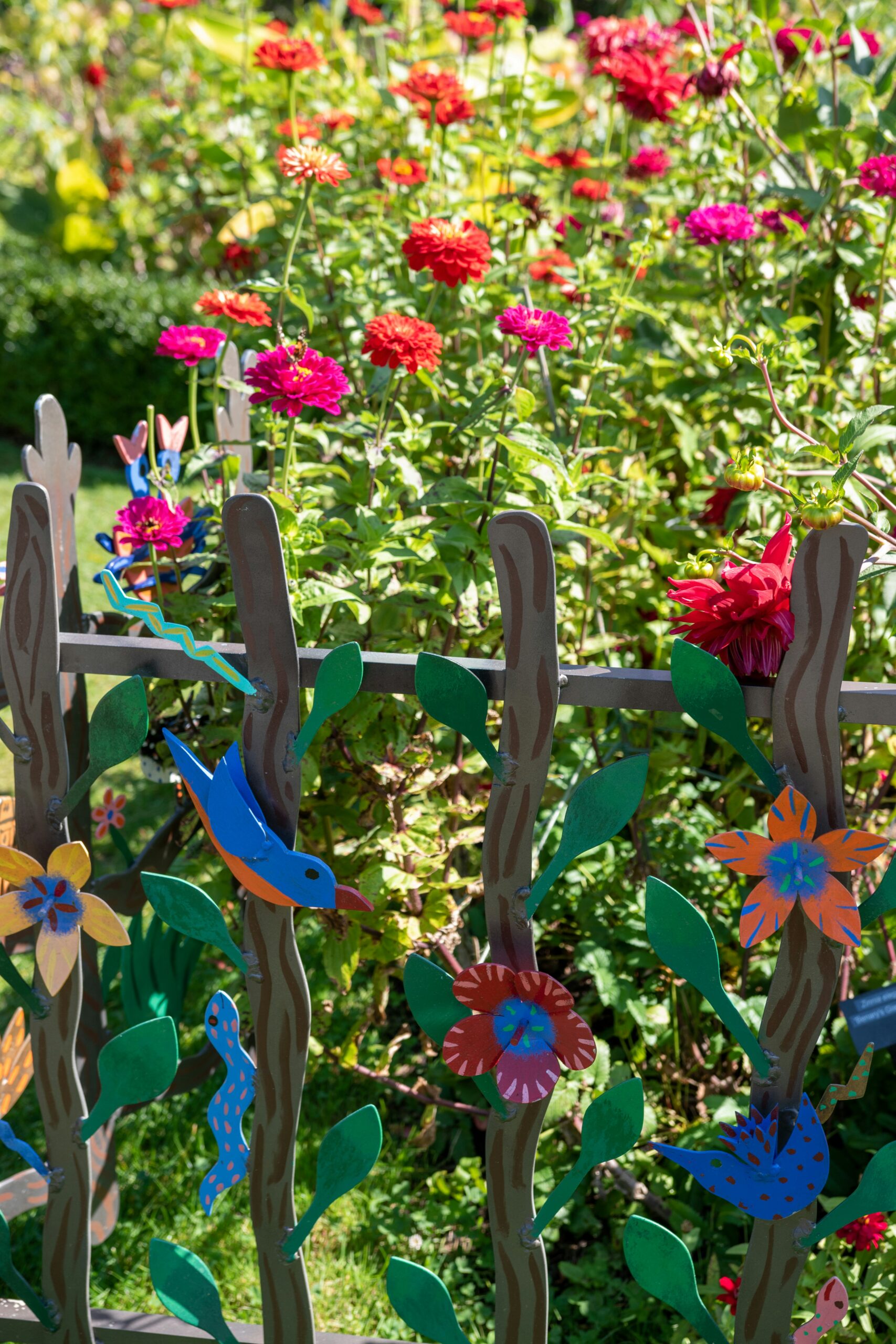
ornate garden fence - how to build a garden fence
Photo by <a href="https://unsplash.com/@rustyct1?utm_content=creditCopyText&utm_medium=referral&utm_source=unsplash">Rusty Watson</a> on <a href="https://unsplash.com/photos/pink-and-yellow-flowers-on-brown-wooden-fence-w-dHd4UwIKQ?utm_content=creditCopyText&utm_medium=referral&utm_source=unsplash">Unsplash</a>

Creating a sturdy garden fence can protect your herbs and vegetables from pests while enhancing the aesthetic appeal of your garden. Here’s a step-by-step guide to building one yourself.

1. Plan Your Fence Design

Before purchasing materials, determine the size and shape of your garden. Draw a blueprint to save time and ensure you buy the correct amount of wood and other supplies. A well-thought-out plan will prevent unnecessary costs and make the building process smoother.

2. Gather Your Materials

For a typical 12ft x 8ft garden fence, you’ll need timber, hardware cloth, wood screws, and basic tools like a miter saw, post-hole digger, and drill. High-quality materials ensure the fence is durable and capable of withstanding the elements, keeping your garden secure.

3. Construct the Frame

Cut the timber to the appropriate lengths, ensuring they are slightly taller than the hardware cloth. Begin by digging post holes about 2 feet deep and insert the timber posts, leaving 5 feet above ground. Make sure they are level before moving on to the next step.

4. Attach the Hardware Cloth

Lay out the hardware cloth over the frame, securing it with a staple gun. This step is crucial for preventing small animals like rabbits and birds from entering your garden. Be sure to stretch the cloth tightly to avoid any gaps.

5. Build and Install the Door

Using leftover timber, construct a simple door frame and attach a piece of hardware cloth to it. Secure the door with hinges and a latch, making sure it swings open and closes easily. This provides convenient access while keeping your plants safe.

6. Add Finishing Touches

To complete the fence, consider adding mulch, wood chips, or small stones around the perimeter. This not only gives the garden a polished look but also helps with weed control and drainage.

Start Building Your Garden Fence Today

Building a garden fence may seem like a daunting task, but with proper planning and the right materials, it can be a rewarding project. Protect your herbs and vegetables while enhancing the look of your outdoor space.

Filed Under: Uncategorized

Previous Post: « The Ultimate Guide To Simple Home Upgrades
Next Post: Rid Your Garden of These 7 Insects With These Hacks »

Reader Interactions

Leave a Reply Cancel reply

Your email address will not be published. Required fields are marked *

Primary Sidebar

Struggling to get your garden off the ground? Put those days behind you with our special starter kit – perfect for thrifty green thumbs everywhere. Get growing and add a splash of color today!

Popular Posts

  • usda free seeds websiteHow To Get Free Seeds From The Government by Amanda Blankenship Seeds might seem like a small expense, but any seasoned…
  • Enviro Ice On PlantsShould I Use Enviro Ice On My Plants? by Kathryn Vercillo Every week, I receive food from Hungryroot. It's a great…
  • is shredded paper good for the gardenFrom Trash to Treasure: Transform Shredded Paper Into Garden Gold by Amanda Blankenship Should you use shredded paper as garden mulch? It might…
  • Enviro IceWhat Happens to Plants If You Use Enviro Ice on Them? by Amanda Blankenship About a year ago, I wrote our first article about…
Why Are Your Figs Dropping Before They Ripen?

Why Are Your Figs Dropping Before They Ripen?

A fig tree loaded with tiny green treasures can create a gardener’s version of heartbreak when those fruits suddenly hit the ground before they become sweet, soft, and ready for picking. Fig trees often drop fruit early because they face stress from water problems, temperature swings, pollination issues, or even the wrong growing conditions. Early…

Read More

Are Keystone Plants More Valuable Than a Long Pollinator List?

Are Keystone Plants More Valuable Than a Long Pollinator List?

A garden packed with pollinator plants can look like a colorful buffet, but a shorter list featuring the right keystone plants may deliver a much bigger ecological impact. Choosing plants that support entire food webs helps gardeners create spaces where butterflies, bees, birds, and other wildlife find more than just a quick snack. Many gardening…

Read More

5 Ways to Turn an Overgrown Herb Bed Into a Fall Harvest

5 Ways to Turn an Overgrown Herb Bed Into a Fall Harvest

An overgrown herb bed does not mean the gardening season has ended. With a few smart moves, tangled stems and crowded plants can transform into a fresh supply of flavorful herbs for autumn meals, teas, and homemade seasonings. The secret involves more than grabbing pruning shears and attacking the garden like a hedge-trimming superhero. A…

Read More

6 Smart Uses for Fallen Pine Needles Around Acid-Loving Plants

6 Smart Uses for Fallen Pine Needles Around Acid-Loving Plants

Pine needles often end up as the forgotten gold of the backyard, scattered under trees while gardeners reach for bags of commercial mulch. Around acid-loving plants, those fallen needles can serve a useful purpose, helping create a comfortable growing environment for plants that prefer slightly acidic soil. Instead of sweeping them away like yard clutter,…

Read More

  • About
  • Contact Us
  • Garden Frugally
  • Buy These
  • Our Editorial Commitment
  • Navigation Menu: Social Icons

    • Facebook
    • Pinterest
    • Twitter
  • Facebook
  • Pinterest
  • Twitter

Copyright © 2026 · Foodie Pro & The Genesis Framework