• Skip to primary navigation
  • Skip to main content
  • Skip to primary sidebar

Frugal Gardening

Simple ways to save money while you garden

  • About
  • Contact Us
  • Garden Frugally
  • Buy These
  • Our Editorial Commitment
  • Navigation Menu: Social Icons

    • Facebook
    • Pinterest
    • Twitter

5 Quick-Growing Trees to Consider Planting This Fall

October 14, 2019 by Steph Coelho Leave a Comment

Fall is the optimal time to plant many tree species. It’s dryer than most months and not too warm. Heat is unlikely to damage young newly planted trees, and root systems are more likely to thrive in fall conditions.

If you’re looking for a quick-growing tree to plant this fall, we’ve got five suggestions below. 

A word of caution: while fast-growing trees are an attractive option for those who want quick results, they’re not always an ideal choice. If you’re in need of a tree to act as a windbreak or to provide shade, don’t jump into planting without doing your research. Ask questions, and don’t plant something without doing due diligence; you may later regret your decision. Rapid growing plants of all kinds pose a few significant problems of note. Quick-growing trees are more likely to experience breakage. Some trees may grow so fast that they’re challenging to care for and keep healthy. 

Red Maple

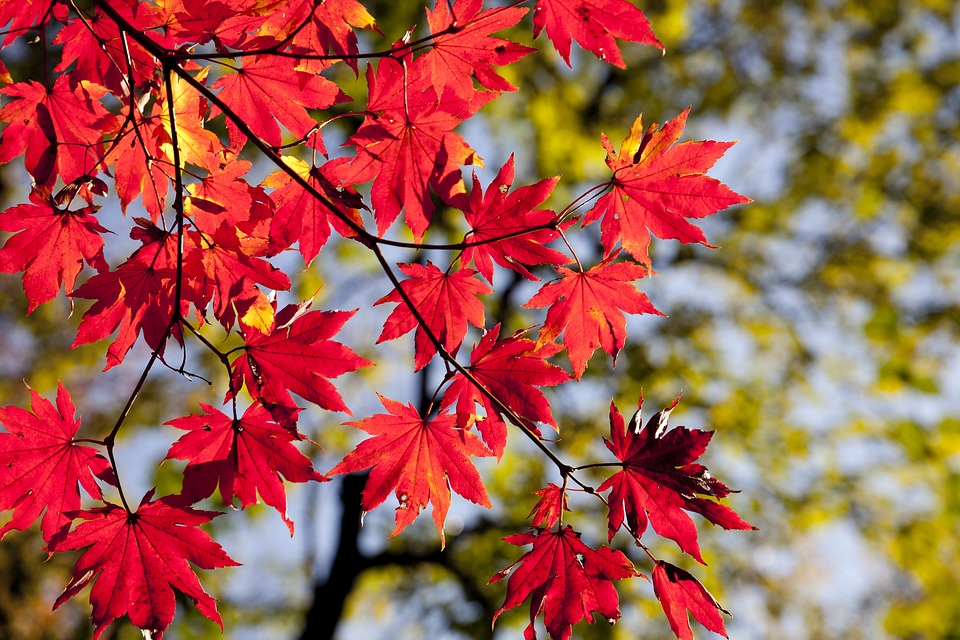
Red maples are native to eastern and central North America and are one of my favorite trees. If you’re out and about in the fall for leaf-peeping, chances are you’re searching for red maples since they provide a blast of brilliant foliage in the autumn. They’re relatively rapid growers and can grow up to 60 feet in height. Unfortunately, the rapid growth, in turn, produces weak branches that are susceptible to breakage. 

Paper Birch

The thin wisps of paper-like bark that peel off this tree are perfect for use as kindling when building a campfire. Paper birch trees are also fast growers. They grow relatively tall — up to 70 feet in height, but they’re susceptible to breakage and don’t thrive in areas with high levels of pollution.

Cherry Laurel

While this is more of a shrub than a tree, it grows quickly and is one of the sturdier options in this list of five. It doesn’t grow much taller than 30 feet and I love it for its colorful berries — careful, though! They’re poisonous. Planted incorrectly and without thought, cherry laurel may become invasive, so don’t plant without doing some background research.

Bald Cypress

These coniferous trees grow in swampy around in the Southern U.S. They get fairly tall (oner 60 feet). They look impressive, but they’re vulnerable to pests. They’re also a little slower to grow than the other trees mentioned. 

Acacia

I love acacias, but they’re destined for warmer climates than here, unfortunately. If you’re lucky enough to live in planting zones 9 to 11, though, you can enjoy the lovely display of this tree on your property. The maximum height depends on the variety. The drawback to growing acacias? They’re a short-lived tree species. 

Photograph of Steph Coelho.
Steph Coelho

Steph Coelho is a freelance writer gardening in zone 5b. She is a certified Square Foot Gardener and has taught various garden-related workshops. When she’s not digging in the dirt or writing, she’s cooking up fresh produce, running, or listening to her favorite podcasts.

Filed Under: Uncategorized

Previous Post: « Avoid These 5 Costly Fall Garden Mistakes
Next Post: Closing Down the Garden »

Reader Interactions

Leave a Reply Cancel reply

Your email address will not be published. Required fields are marked *

Primary Sidebar

Struggling to get your garden off the ground? Put those days behind you with our special starter kit – perfect for thrifty green thumbs everywhere. Get growing and add a splash of color today!

Popular Posts

  • usda free seeds websiteHow To Get Free Seeds From The Government by Amanda Blankenship Seeds might seem like a small expense, but any seasoned…
  • Enviro Ice On PlantsShould I Use Enviro Ice On My Plants? by Kathryn Vercillo Every week, I receive food from Hungryroot. It's a great…
  • is shredded paper good for the gardenFrom Trash to Treasure: Transform Shredded Paper Into Garden Gold by Amanda Blankenship Should you use shredded paper as garden mulch? It might…
  • Enviro IceWhat Happens to Plants If You Use Enviro Ice on Them? by Amanda Blankenship About a year ago, I wrote our first article about…
What Is Causing Black Residue on Leaves Beneath Trees?

What Is Causing Black Residue on Leaves Beneath Trees?

Black residue on leaves beneath a tree can look like someone dusted the garden with fireplace ash. The culprit often has a much more interesting story: sap-sucking insects feed high in the canopy, leave behind sticky honeydew, and sooty mold grows on that sugary mess as it falls onto lower leaves. Aphids and soft scale…

Read More

Should You Compost Diseased Plants? The Answer Depends on How Hot Your Pile Gets

Should You Compost Diseased Plants? The Answer Depends on How Hot Your Pile Gets

Composting diseased plants sounds wonderfully efficient: the tomato plant gets sick, the garden removes it, and the compost pile turns the whole mess into something useful. Unfortunately, the compost pile does not automatically know which microbes are helpful and which ones came along for the ride. If the pile never reaches adequate temperatures throughout the…

Read More

7 Late-Summer Garden Checks That Can Prevent Winter Damage

7 Late-Summer Garden Checks That Can Prevent Winter Damage

Winter damage often starts long before the first snowflake falls, which makes late summer a surprisingly important time to inspect the garden. A cracked branch, dry root zone, loose stake, or forgotten hose can turn into a much bigger headache once freezing temperatures arrive. A little detective work now can spare plants from unnecessary stress…

Read More

Where Can Gardeners Find Free Mulch in Late Summer?

Where Can Gardeners Find Free Mulch in Late Summer?

Late summer can make a garden look a little parched around the edges, and fresh mulch can help without making the garden budget groan. Fortunately, gardeners do not always need to visit a garden center and pay for a stack of neatly bagged material. Tree crews, municipalities, neighbors, compost sites, and even the lawn mower…

Read More

  • About
  • Contact Us
  • Garden Frugally
  • Buy These
  • Our Editorial Commitment
  • Navigation Menu: Social Icons

    • Facebook
    • Pinterest
    • Twitter
  • Facebook
  • Pinterest
  • Twitter

Copyright © 2026 · Foodie Pro & The Genesis Framework